By: Chang Rui Jia
What is Myristic Acid? | Food Applications | Cosmetic Applications | Industrial Uses | Sustainable Palm-Derived Formulations | Our Solutions | Frequently Asked Questions (FAQ)

Myristic acid is a naturally occurring saturated fatty acid that plays a valuable role across food, cosmetic, and industrial formulations.
Known for its functional versatility and performance-enhancing properties, it supports texture, stability, and sensory appeal in a wide range of products.
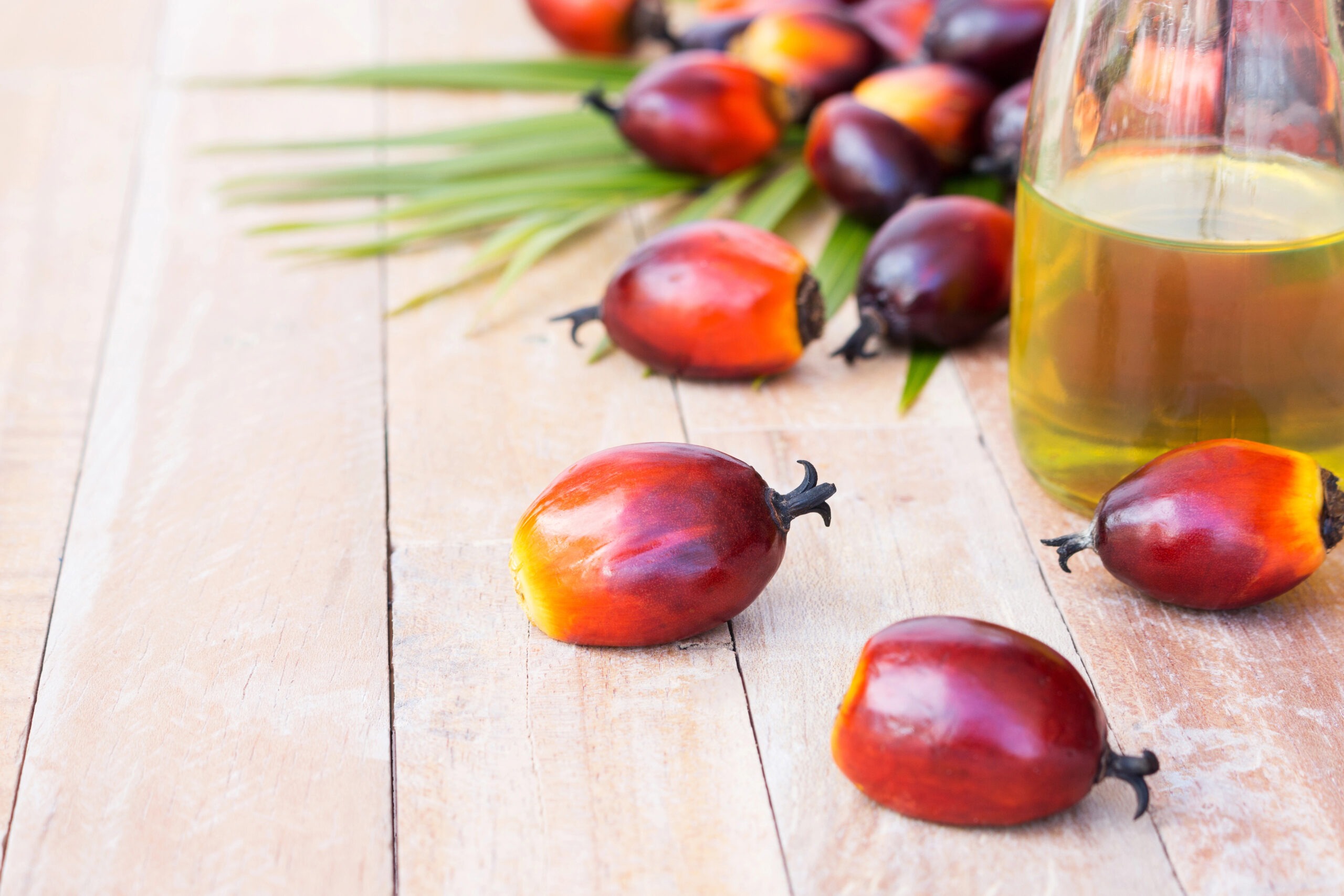
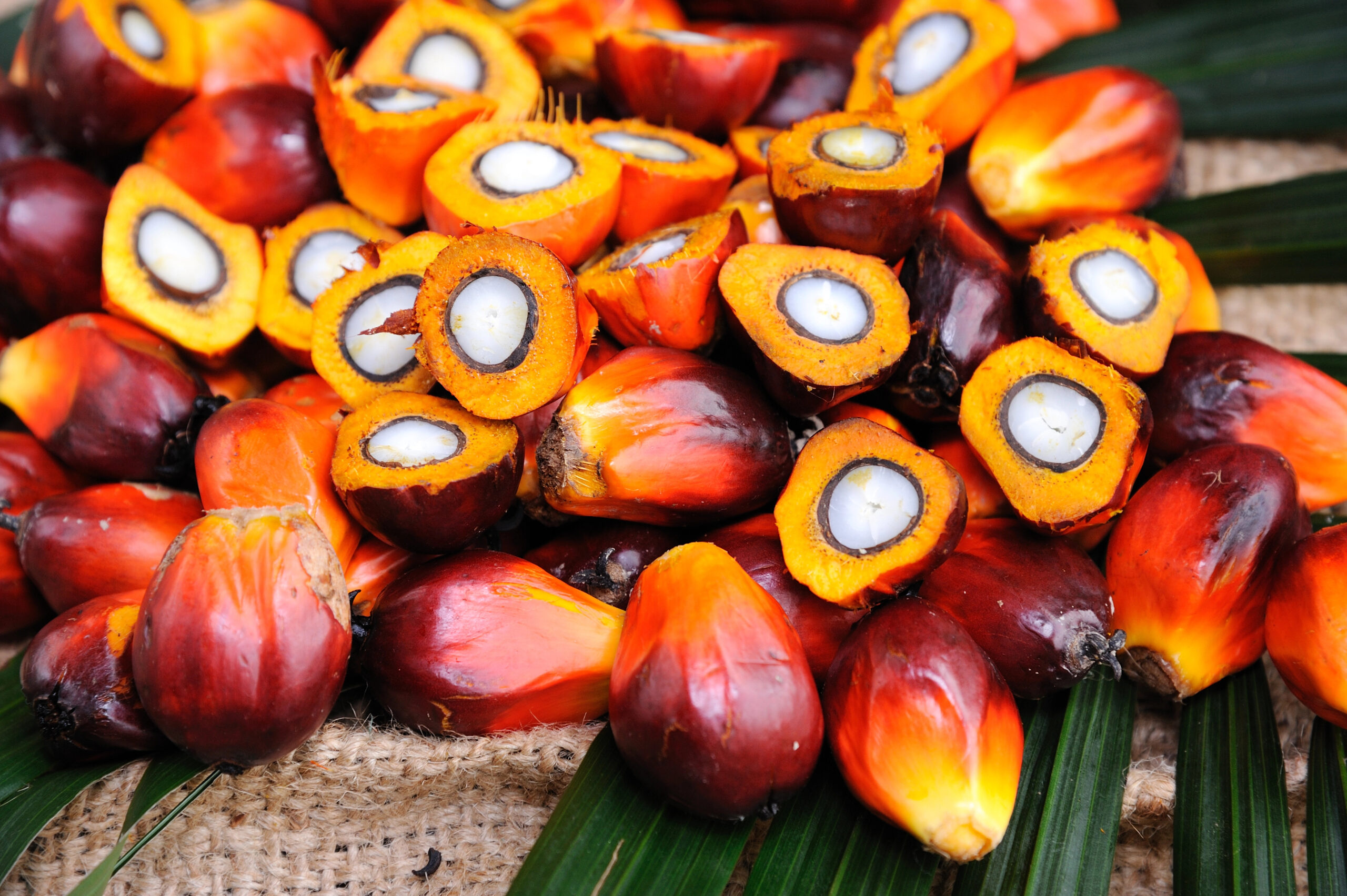
Derived from renewable plant-based sources such as palm kernel oil, myristic acid continues to gain relevance as manufacturers seek ingredients that balance functionality, consistency, and sustainability.
Let’s explore what myristic acid is, where it comes from, and how it functions in food and cosmetic applications, with a closer look at the advantages of palm-derived sources.
Understanding Myristic Acid in Formulations
Myristic acid is a medium-chain saturated fatty acid with a 14-carbon structure, commonly identified as C14:0.
It occurs naturally in several plant and animal fats, including palm kernel oil, coconut oil, dairy fat, and nutmeg, where it exists in the form of trimyristin.
For commercial use, myristic acid is typically derived from lauric oils such as palm kernel oil or coconut oil, which are reacted with steam to produce fatty acids.
The resulting fatty acid is then purified through distillation, making it suitable for regulated food, cosmetic, and industrial applications.
In everyday diets, myristic acid appears in small amounts in foods such as butter, cheese, meats, and certain fruits.
Although it is rarely consumed in isolation, its functional properties make it an important component in formulated products where structure, texture, and stability are essential.
From Mouthfeel to Shelf Life: Myristic Acid in Food

In food formulations, myristic acid derivatives serve as anticaking agents and emulsifiers. It also helps maintain improved shelf stability.
Building Creaminess and Richness
Myristic acid derivatives are particularly valued for their emulsifying and stabilizing properties, which directly contribute to the smooth, creamy mouthfeel consumers expect from confectionery, dairy, and whipped toppings.
By forming stable emulsion networks, these derivatives distribute fat evenly throughout a formulation, preventing graininess and uneven texture.
In chocolate applications, this produces a smoother melt profile and more consistent coating behavior.
In dairy products like creamers, ice cream, and processed cheese, they maintain a homogeneous structure that resists crystallization and fat bloom during storage.
Their stabilizing effect also supports body and viscosity, delivering a richer sensory profile without necessarily increasing fat content.
Structural and Textural Support
In addition, myristic acid plays a structural role in food formulations as part of a fatty acid blend.
It contributes to the overall lipid profile, influencing firmness, spreadability, and consistency.
This structural contribution is particularly useful in products that require a stable fat matrix, such as spreads, coatings, and processed foods designed to maintain shape under varying storage conditions.
Tuning Melting Behavior and Stability
Moreover, myristic acid is used in lipid modification to adjust melting behavior and improve shelf stability.
Its relatively sharp melting point allows chocolate formulators to fine-tune fat performance. Manufacturers use fats high in lauric and myristic acids to create confectionery coatings that mimic expensive cocoa butter without requiring complex tempering.
These mixtures stay solid and stable at room temperature, providing “snap” and “gloss” to coatings and compound chocolates.
However, because of the sharp melting peak, they transition almost instantly to a liquid state once they touch the tongue, creating that smooth, cooling mouthfeel.
Consequently, shelf life can be extended while preserving texture and visual appeal, which is critical for packaged food products.
Used with Balance in Mind
While myristic acid offers functional advantages, its use in food requires balance.
Like other saturated fatty acids, excessive intake has been associated with elevated LDL cholesterol and triglyceride levels.
For this reason, food manufacturers typically apply myristic acid in moderation, using it where functionality is required without compromising nutritional objectives.
When managed responsibly, it supports formulation performance while aligning with dietary considerations.
Read More: Chocolate Tempering Explained: How to Achieve Glossy, Snappy Chocolate Every Time
Myristic Acid in Everyday Beauty Formulations

Beyond food, myristic acid is widely used in cosmetics and personal care products due to its ability to enhance texture, stability, and overall user experience.
Comfortable Moisturization
Above all, myristic acid functions as an effective emollient. It helps soften and smooth the skin by forming a light protective layer that reduces moisture loss.
This characteristic contributes to improved skin feel and long-lasting hydration, making it a common ingredient in creams, lotions, and body care products.
Its non-greasy nature also allows for comfortable wear, even in leave-on formulations.
Holding Oil and Water Together
In addition, myristic acid supports emulsification by helping oil- and water-based ingredients blend more effectively.
Stable emulsions are essential in products such as moisturizers, sunscreens, and makeup, where separation can negatively affect appearance and performance.
Improved stability also ensures consistent dosing and a uniform sensory experience throughout product use.
Cleansing with Rich, Stable Lather
Furthermore, myristic acid plays a key role in cleansing formulations. It is commonly used to generate rich, stable lather that effectively removes dirt and excess oil in:
-
- Soaps
- Facial cleansers
- Body washes
Compared to harsher cleansing agents, myristic acid-based systems can deliver effective cleansing while maintaining a balanced skin feel, making them suitable for daily-use products.
Improving Hair Softness and Control
Likewise, myristic acid benefits hair care formulations by improving softness, manageability, and shine.
In shampoos, conditioners, and hair masks, it helps condition the hair fiber, reducing dryness and enhancing smoothness without weighing hair down.
These properties make it suitable for a wide range of hair types and care routines.
Creating Creamy, Premium Textures
Myristic acid also contributes to the creamy consistency consumers associate with premium cosmetic products.
By enhancing viscosity and texture, it elevates sensory appeal and supports differentiation in competitive personal care markets.
Beyond Consumer Products
In addition to food and cosmetics, myristic acid serves important industrial and biochemical functions.
Industrially, it is used in the production of surfactants, plasticizers, and waterproofing agents.
One notable derivative is isopropyl myristate, which is widely applied in cosmetics and pharmaceuticals to enhance skin absorption and improve spreadability.
Read More: Podcast: How Bunge and Musim Mas are driving real, on-the-ground change for smallholder farmers
A Renewable Source with Broad Utility
When sourced from palm kernel oil, myristic acid offers several advantages that align with modern formulation and sustainability goals.
Natural and Renewable Source
Palm kernel oil provides a high-yield, renewable feedstock for myristic acid production.
When responsibly produced, palm-based sourcing supports efficient land use and long-term supply reliability.
Eco-Friendly Profile
In addition, palm-derived myristic acid is biodegradable and plant-based. These attributes align well with growing consumer demand for environmentally responsible ingredients in both food and personal care products.
Versatility Across Industries
Because it performs effectively in food, cosmetic, and industrial applications, myristic acid offers multifunctional value.
This versatility allows manufacturers to streamline ingredient portfolios while maintaining consistent performance across product lines.
Supporting Industry Needs with Musim Mas
At Musim Mas, we supply high-quality, palm-derived myristic acid tailored for food, cosmetic, and industrial applications.
Our products are manufactured under strict quality controls to ensure consistency, purity, and performance.
Sourced from certified sustainable palm oil, our myristic acid supports ethical and eco-friendly supply chains while meeting global regulatory requirements.
In addition to supply, we collaborate closely with customers to develop customized ingredient solutions aligned with formulation goals, performance expectations, and sustainability commitments.
Contact us to discover our reliable, responsible solution for myristic acid, grounded in performance and innovation.
Frequently Asked Questions (FAQ)
What is myristic acid mainly used for?
Myristic acid is used to improve texture, stability, and sensory feel in food, cosmetic, and personal care formulations.
Is myristic acid safe for food and cosmetic use?
Yes. When used within regulated limits, myristic acid is considered safe and is widely approved for food and personal care applications.
What does myristic acid do in skincare products?
In skincare, myristic acid helps soften the skin, improve moisturization, stabilize emulsions, and enhance product texture.
Is palm-derived myristic acid sustainable?
When sourced from certified sustainable palm oil, myristic acid offers a renewable, biodegradable option aligned with responsible sourcing practices.