By: Chang Rui Jia
What Are Dietary Fats? | Why Dietary Fats Matter for Nutrition | Why Dietary Fats Matter for Food Innovation | The Future of Dietary Fats
Every year on World Food Day, the global community reflects on food security, nutrition, and sustainable choices. One crucial topic often overlooked is dietary fats. For decades, fats carried an unfair reputation. The truth is far more nuanced: fats are essential for life, nutrition, and food innovation.
In this article, we’ll unpack what dietary fats are, why they matter for health, and how food manufacturers can leverage functional and sustainable fat solutions to innovate for the future.
What Are Dietary Fats?
Dietary fats are a key macronutrient, alongside carbohydrates and proteins. They provide energy, support nutrient absorption, and maintain cellular health, while also enhancing flavour, texture, and satiety in foods.
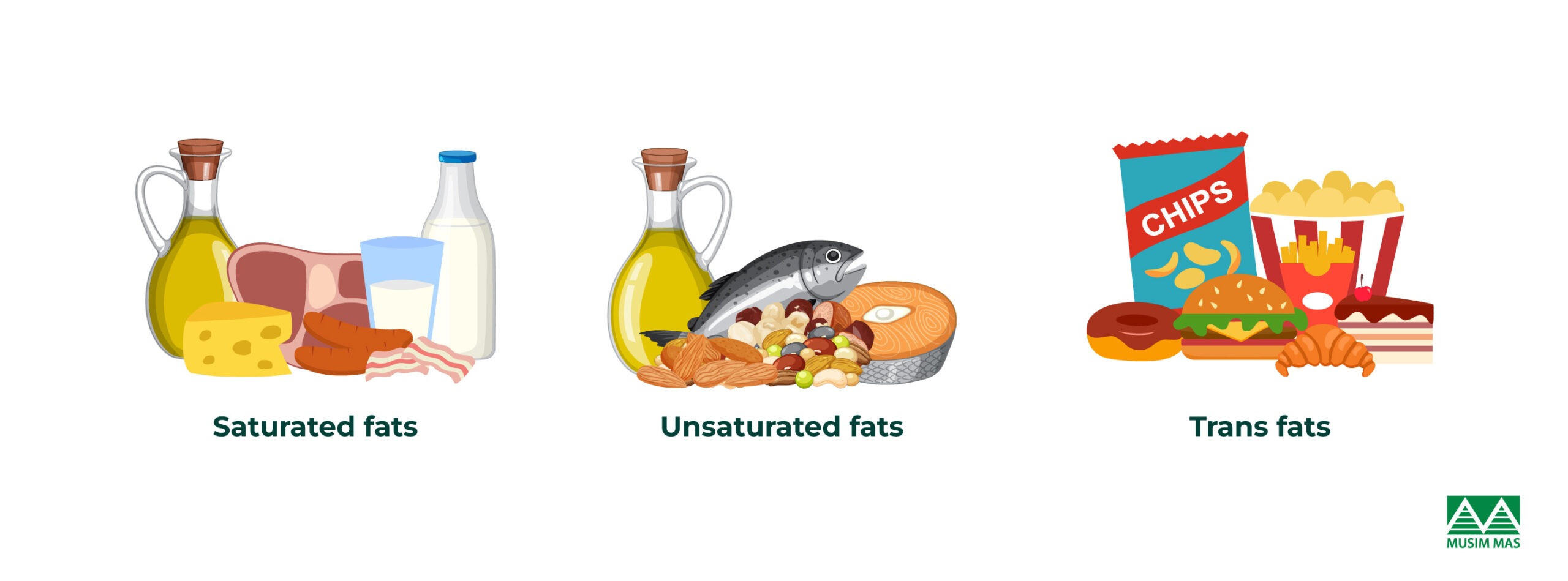
There are three main types of dietary fats:
- Saturated fats: Often found in dairy, meat, and some plant oils. These solid fats provide stability for baking, frying, and other functional applications.
- Unsaturated fats: Considered “heart-healthy”, monounsaturated and polyunsaturated fats are abundant in nuts, seeds, fish, and vegetable oils. They support cardiovascular health and are widely used in product development and food formulation.
- Trans Fats: Industrially produced trans fats raise bad cholesterol (LDL) and lower good cholesterol (HDL). Many governments regulate or ban them, prompting widespread trans fat-free formulations across the food industry.
Why Dietary Fats Matter for Nutrition
For consumers, dietary fats are more than numbers on a nutrition label—they are essential macronutrients with diverse health and sensory benefits.

- Provide a dense energy source (9 calories per gram): Fats are the body’s most concentrated fuel, supplying more than twice the energy of carbohydrates or proteins. This makes them critical for daily activity, growth, and long-term energy reserves.
- Support nutrient absorption and immunity: Fat-soluble vitamins (A, D, E, and K) require fats for proper absorption. Adequate fat intake ensures nutrients essential for vision, bone strength, immune function, and antioxidant protection are effectively utilized.
- Promote heart and brain health: Beneficial fats, such as omega-3 fatty acids and monounsaturated fats, support cardiovascular function and cognitive performance. Choosing unsaturated fats from sources like nuts, seeds, and plant oils can improve cholesterol profiles and support long-term well-being.
- Enhance flavor and satiety: Fats improve food texture, aroma, and flavor intensity, making meals more satisfying and supporting appetite control.
Today’s conversation isn’t about eliminating fats—it’s about choosing the right types of fats in the right balance. Saturated fats, unsaturated fats, omega-3 fatty acids, and medium-chain triglycerides (MCTs) each bring distinct nutritional and functional properties. Understanding their roles helps consumers make informed dietary choices and allows food manufacturers to formulate high-performing, health-conscious products.
Why Dietary Fats Matter for Food Innovation
For food manufacturers, fats are functional ingredients that shape product quality, performance, and consumer appeal.
- Texture and structure: Fats influence the softness of bread, the flakiness of pastries, the creaminess of dairy alternatives, and the smoothness of confectionery. Selecting the right fat system is essential for consistent product performance.
- Shelf life: Oxidative stability of fats affects product freshness and safety. Advances in specialty fat systems help extend shelf life while minimizing reliance on artificial additives.
- Cost efficiency and scalability: Beyond nutrition and labelling, fats and oils also influence the cost structure and manufacturing efficiency of food products. Choosing the right fat system can enhance processing performance, minimize waste, and ensure scalability across large production runs—helping brands strike a balance between quality, affordability, and sustainability in competitive markets.
This is where fat innovation makes a difference. By leveraging advanced fat and oil systems, manufacturers can balance nutrition, functionality, and operational efficiency—creating products that meet evolving consumer expectations while optimizing both costs and production performance.
Looking Ahead: The Future of Dietary Fats
World Food Day is a reminder that food is not only about sustenance, but also about health, equity, and sustainability. For the food industry, the future of dietary fats lies in rethinking how fats and oils are sourced, formulated, and applied:
- Healthier fat systems: Manufacturers are prioritizing reformulation strategies to reduce saturated fats, remove trans fats, and incorporate healthier alternatives such as unsaturated fats, omega-3 fatty acids, and MCTs. These innovations support better nutrition without compromising texture, flavour, or functionality.
- Sustainable sourcing of fats and oils: Partnering with responsible suppliers ensures fats are produced through certified sustainable practices, reducing environmental impact and enhancing brand reputation.
- Innovation for nutrition: Advances in specialty fat systems and plant-based oils enable new applications across bakery, dairy alternatives, snacks, and confectionery. Manufacturers can design fats that enhance quality, extend shelf life, and support clean-label positioning.
The challenge ahead is creating products that balance taste, texture, performance, and operational efficiency while keeping pace with evolving industry trends toward healthier and more sustainable fats.
At Musim Mas, we collaborate with food manufacturers to develop tailored fat and oil systems—from trans-fat-free formulations to specialty blends and sustainable palm-based solutions—empowering brands to innovate with high-performing, sustainable, and market-ready fat solutions that meet the needs of today’s consumers and tomorrow’s markets. Get in touch with us to explore solutions tailored to your business.