By: Devane Sharma
Index
- What Are Emulsifiers?
- How Do Emulsifiers Work?
- Common Types of Emulsifiers in Food
- Are Emulsifiers Safe to Eat?
- The Future of Emulsifiers: Safe, Sustainable, and Innovative
If you have ever examined the ingredient label on products such as bread, ice cream, chocolate, or salad dressing, you may have encountered ingredients like lecithin or mono- and diglycerides. These are known as emulsifiers, common food additives utilized to enhance texture, stability, and shelf life. Emulsifiers help maintain a smooth, uniform structure in many processed and packaged foods. But what exactly are emulsifiers, how do they work in food products, and are they safe for regular consumption? Let’s take a deeper look.
What Are Emulsifiers?
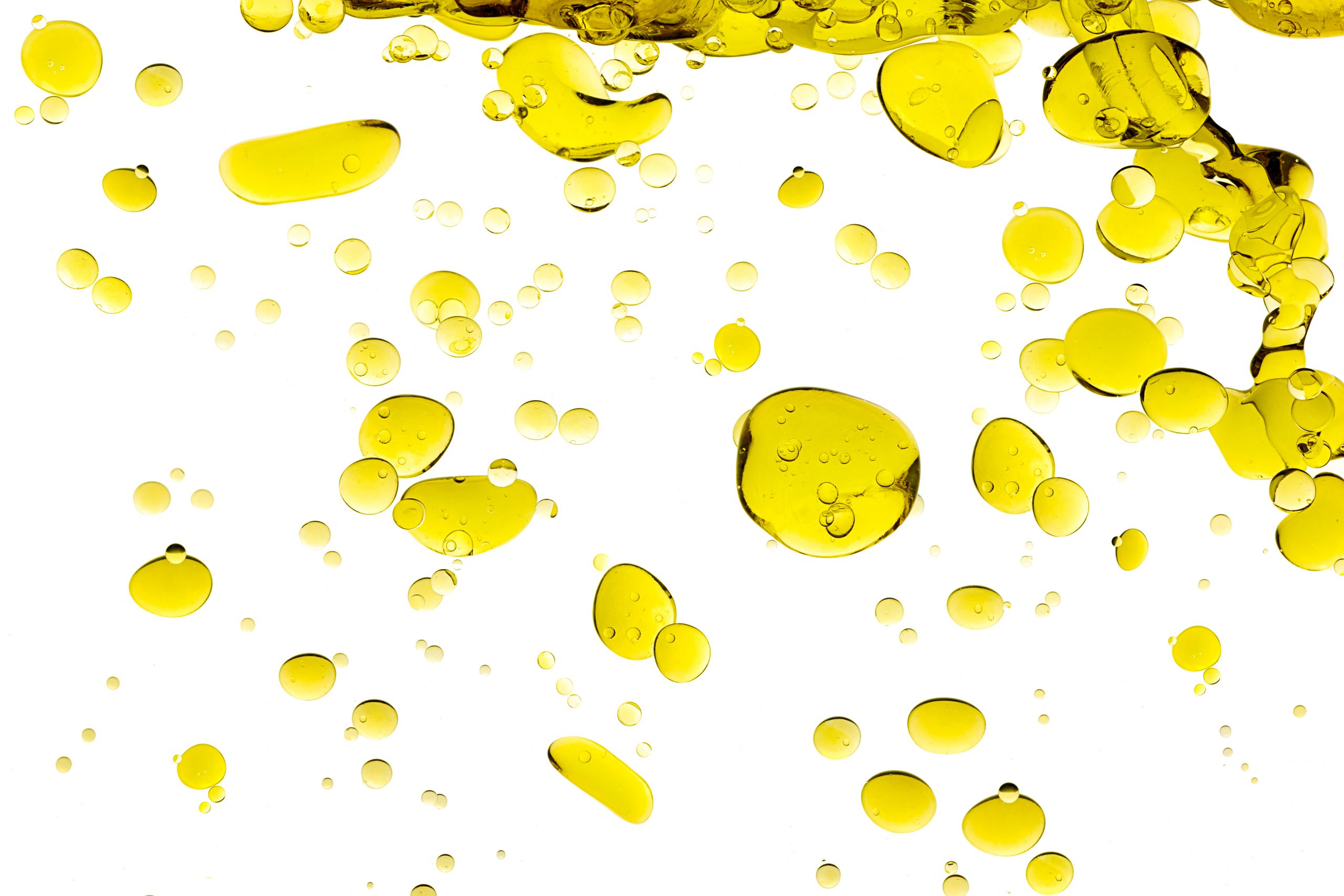
An emulsifier is a food ingredient that facilitates the combination of two substances that typically do not mix, most commonly oil and water. In food production, these ingredients naturally separate due to their molecular structures, which repel each other. Without an emulsifier, products like salad dressings, sauces, margarine, or ice cream would separate into layers, resulting in an inconsistent texture and less appealing appearance.
To understand how emulsifiers function, consider pouring oil and water into a bowl. Even if you whisk them together, they will eventually separate. This occurs because oil is lipophilic (attracted to fat), while water is hydrophilic (attracted to water), and the two do not naturally bond. An emulsifier serves as a stabilizing “bridge” between these two opposites. It contains both oil-attracting and water-attracting components, allowing it to bind the two substances together and keep them uniformly distributed.
As a result, emulsifiers play a key role in maintaining a smooth, consistent texture, while also improving the stability and shelf life of many everyday food products.

How Do Emulsifiers Work?
Emulsifiers function by stabilizing mixtures of oil and water, two ingredients that naturally separate. Each emulsifier molecule has two distinct ends: one that bonds with oil or fat, and another that bonds with water. This dual structure enables the emulsifier to position itself between oil and water droplets, effectively holding them together.
When incorporated into food products, emulsifiers align at the interface where oil and water meet. This action reduces surface tension and prevents the droplets from separating. The result is a stable, smooth, and uniformly mixed product.
Examples of How Emulsifiers Function in Food
- In ice cream, emulsifiers help maintain an even distribution of fat and water, ensuring a creamy texture and preventing the formation of large ice crystals.
- In bread, emulsifiers strengthen the dough structure, allowing it to rise more effectively while also enhancing softness and extending shelf life.
- In chocolate, emulsifiers improve flow and smoothness, making it easier to mold and ensuring a consistent texture.
- Without emulsifiers, many of these products would separate, harden, or lose their desirable texture over time.
Common Types of Emulsifiers Used in Food
Food emulsifiers can be derived from both natural and synthetic sources. Some are plant-based, while others are produced through controlled food processing methods.
- Mono- and Diglycerides of Fatty Acids (MDG) – Typically derived from vegetable oils such as palm, soybean, sunflower, and other edible plant-based oils. They are widely used in bakery products, margarine, ice cream, confectionery, and various processed foods.
- Sodium Stearoyl Lactylate (SSL) – Commonly used in bread and baked goods to strengthen dough, improve volume, and create a softer texture.
- Propylene Glycol Mono Stearate (PGMS) – Often used in bakery products, whipped toppings, and desserts to support aeration, volume, and texture.
- Polyglycerol Esters (PGE) – Versatile emulsifiers used in applications such as cakes, creams, and dairy products to improve stability, texture, and mouthfeel.
- Polyglycerol Polyricinoleate (PGPR) – Commonly used in chocolate and confectionery to improve flow properties, making chocolate easier to process and mold.
- Sorbitan Tristearate (STS) – Often used in confectionery, fats, and spreads to support crystallization control and improve product consistency.
- Lecithin – Naturally found in soybeans, sunflower seeds, and egg yolks. It is often used in chocolate, baked goods, and salad dressings to help ingredients blend smoothly.
Plant-based emulsifiers are widely used in the market. According to a report by Future Market Insights, plant-derived emulsifiers are expected to account for around 55% of the food emulsifiers market by 2025 in the EU. This may suggest a growing preference for ingredients derived from renewable plant-based sources.
Lecithin
Lecithin is a naturally occurring emulsifier found in soybeans, sunflower seeds, and egg yolks. It is widely used in chocolate, baked goods, and salad dressings to improve texture and stability.
Mono- and Diglycerides of Fatty Acids
These emulsifiers are typically derived from vegetable oils such as palm or soy. They are commonly used in bread, margarine, and ice cream to improve consistency and extend shelf life.
Polysorbates
Polysorbates are synthetic emulsifiers often used in ice cream, whipped toppings, and beverages to maintain smoothness and prevent separation.
Sodium Stearoyl Lactylate (SSL)
SSL is frequently used in bread and other baked goods to strengthen dough and enhance volume and softness.
Plant-based emulsifiers are gaining increasing popularity. Industry reports indicate that plant-derived emulsifiers are projected to make up more than half of the global emulsifier market in the coming years. This trend reflects growing consumer demand for ingredients that are perceived as more natural and sustainable.
It is also important to recognize that emulsification is not a modern invention. Eggs have been utilized in cooking and baking for centuries due to their natural emulsifying properties. Today, emulsifiers are commonly found in:
- Bread, cakes, and pastries
- Chocolate and confectionery
- Margarine and spreads
- Ice cream and frozen desserts
- Salad dressings and mayonnaise
- Plant-based milk alternatives

Are Emulsifiers Safe to Eat?
The safety of emulsifiers is a common concern among consumers. Food-grade emulsifiers are regulated by global food safety authorities, including the U.S. Food and Drug Administration (FDA), the European Food Safety Authority (EFSA), and Codex Alimentarius. These organizations assess scientific evidence to determine whether an emulsifier is safe for human consumption and establish acceptable daily intake limits when necessary.
Many widely used emulsifiers are classified as GRAS, which stands for Generally Recognized As Safe, when used within approved limits. For most individuals, consuming emulsifiers as part of a balanced diet does not pose health risks.
As with any food ingredient, moderation is key. Ongoing research continues to evaluate the long-term effects of certain additives, particularly in highly processed foods. Choosing a diverse diet that includes whole foods alongside processed items can help maintain overall balance.
The Future of Emulsifiers in Food Production
As consumer preferences continue to shift toward clean label products, plant-based formulations, and sustainable sourcing, the emulsifier industry is undergoing significant transformation.
Manufacturers are increasingly interested investing in research to develop natural, minimally processed emulsifiers derived from renewable raw materials. Innovation is also being directed at improving functionality while minimizing environmental impact.
Through research initiatives like the Novel IDEAS Center in Singapore, companies such as Musim Mas are collaborating with food producers to develop safe, effective, and sustainable emulsifier solutions for a wide range of applications, including confectionery and dairy alternatives.
While emulsifiers may not always be visible on the front of packaging, they are essential in maintaining the quality and stability of food products. When responsibly sourced and used within regulatory guidelines, emulsifiers remain a vital component of modern food manufacturing.
If you are looking to explore safe and sustainable emulsifier solutions for your food products, consulting with a specialist can help you identify the ideal formulation to meet your needs.
Frequently Asked Questions About Emulsifiers
1. Are emulsifiers artificial ingredients?
Not always. Some emulsifiers, such as lecithin, occur naturally in foods like soybeans and egg yolks. Others are produced through food processing methods. Both natural and synthetic emulsifiers must meet food safety standards before being approved for use.
2. Do emulsifiers affect gut health?
Regulatory agencies consider approved emulsifiers safe when consumed within recommended limits found in everyday foods. Some studies suggest that certain emulsifiers may influence gut microbiota when consumed beyond limits in high amounts, particularly in highly processed diets.
3. Why are emulsifiers used in bread?
In bread, emulsifiers improve dough strength, increase volume, and help maintain softness over time. This enhances texture and extends shelf life.
4. Are plant-based emulsifiers better than synthetic ones?
Plant-based emulsifiers are often preferred by consumers seeking natural products. However, both plant-based and synthetic emulsifiers are evaluated for safety. The choice depends on formulation needs, functionality, and brand positioning.
5. Can I avoid emulsifiers completely?
It is possible to reduce emulsifier intake by choosing minimally processed foods and cooking at home. However, many everyday products rely on emulsifiers for texture and shelf stability, so complete avoidance may be difficult. unless you significantly limit processed foods. Technically too, commonly-used ingredients like eggs are used for emulsification properties in cooking.