By: Chang Rui Jia
What Are Palm-Based Soap Noodles? | Types of Palm-Based Soap Noodles? | Everyday Uses of Palm-Based Soap Noodles | Benefits of Palm-Based Soap Noodles | Making the Right Choice | Frequently Asked Questions (FAQ)

Soap noodles uses span a wide range of everyday products, from luxury beauty bars and hotel guest soaps to laundry and household cleaners.
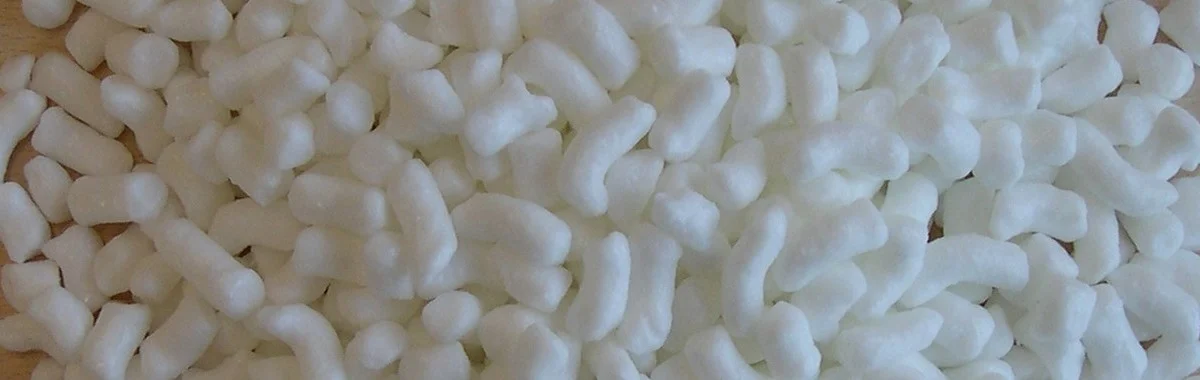
These white-off white pellets (or noodles) are the essential base ingredient for bar soaps, providing the core cleansing and lathering properties.
Manufacturers blend soap noodles with color, fragrances, and other additives to create a wide range of specific soap products for the face and body.
Thanks to their unmatched versatility and cost-efficiency, palm-based soap noodles have become a go-to solution for leading personal care brands, household cleaning product manufacturers, and even specialty skincare formulators.
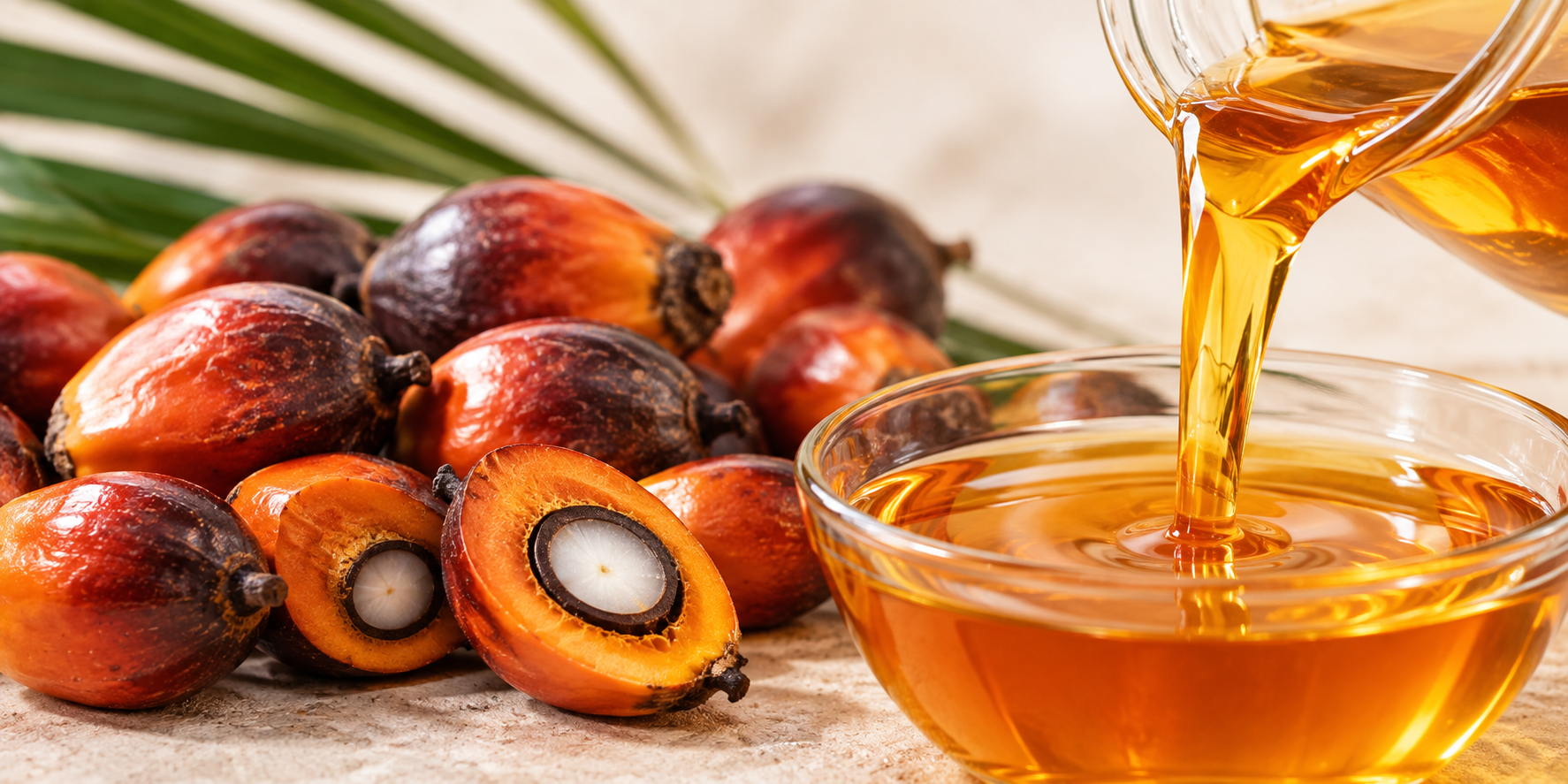
Palm-based soap noodles are the sodium salt of fatty acids, typically derived from palm oil & palm kernel oil.
Produced through saponification or neutralization processes, they appear as solid, white to off-white pellets (or noodles) and serve as an essential base ingredient for bar soap manufacturing.
It offers a consistent, reliable, and customizable base that meets both performance and sustainability demands.
They are also referred to as:
Because they are semi-finished products, manufacturers of palm-based soap noodles can easily adjust the properties of the noodles, such as hardness, lather, or moisturizing effect, by altering the blend ratio or adding other ingredients.
This makes soap noodles highly adaptable across various markets and applications.
Toilet soap noodles are synonymous with indulgence. Made with a high Total Fatty Matter (TFM) content of around 78–80%, they produce a creamy lather that glides over the skin, leaving it soft and nourished.
These noodles are the go-to choice for beauty bars, moisturizing bath soaps, and hotel guest soaps — products that emphasize comfort and skin feel over sheer cleaning strength.
They stand out for their ability to:
Elegant yet effective, toilet soap noodles define the balance between gentle care and everyday luxury.
When durability matters, laundry soap noodles deliver. With lower oil content and a TFM of 60–65%, they produce solid, long-lasting bars that tackle dirt and grease with ease.
Designed for high-friction, high-frequency use, they’re a staple in laundry and household cleaning applications, particularly in cost-sensitive, high-volume markets. Their strengths include:
Practical and economical, laundry soap noodles bring industrial-grade performance to everyday cleaning.
Multipurpose soap noodles bridge the gap between gentle and tough. With a moderate TFM of about 68–72%, they combine a pleasant skin feel with dependable cleaning power.
This makes them a versatile choice for bath soaps, hotel soaps, and community-use hygiene bars.
Manufacturers often choose them for their balance, ease of processing, affordability to scale, and adaptability across product lines. They’re valued for their ability to:
Multipurpose soap noodles are the everyday essentials, flexible enough to fit nearly any market or formulation.
For brands seeking distinction, customized or specialty soap noodles open the door to innovation.
They can be tailored for specific functions, aesthetics, or sustainability goals, whether it’s transparent or glycerin-based soaps, high-lauric formulations for richer foam, or RSPO-certified vegetable-only blends.
This category empowers manufacturers to innovate and differentiate. Specialty noodles enable brands to:
With endless formulation possibilities, specialty soap noodles turn simple raw materials into distinctive, value-driven products.
Read More: What is MCT Oil? Benefits, Uses, and Why It Matters

Palm-based soap noodles are remarkably adaptable, forming the base of countless daily-use products across personal care, household cleaning, and specialized skincare.
Their balanced performance and cost-effectiveness make them a reliable choice for manufacturers seeking consistency and scalability without compromising on quality.
In personal care, soap noodles are prized for their gentle cleansing action and creamy lather.
They serve as the essential foundation for a wide variety of bar soaps used at home, in hotels, and in retail environments.
Their ability to cleanse without drying makes them ideal for skin-focused formulations. They are commonly used in:
Palm-based soap noodles naturally retain the emollient qualities of palm oil, allowing brands to create soaps that leave skin feeling soft, smooth, and hydrated, an important feature in the personal care segment.
Beyond the bathroom, soap noodles also play a key role in cleaning and hygiene applications.
Their durability and foam stability make them perfect for soaps that need to perform under frequent use, friction, and exposure to water.
They are widely used in:
By maintaining hardness and long-lasting lather, palm-based soap noodles allow manufacturers to produce affordable, high-performance cleaning products that cater to large-volume markets, particularly in regions where bar soaps remain a household staple.
Palm-based soap noodles also provide a neutral yet stable base for value-added or functional soap formulations.

Their versatility enables brands to incorporate targeted ingredients, from botanical extracts to medicated compounds, while maintaining consistent product quality.
They serve as the backbone for:
Whether the goal is skincare innovation or therapeutic efficacy, these customizable soap noodles help brands create products that meet specific consumer needs with precision and reliability.
Read More: What is a Surfactant? A Comprehensive Guide

The natural fatty acid composition of palm oils gives excellent cleansing power and produces rich, stable lather.
Soaps made from palm-based noodles are firm yet mild on the skin, offering a good balance between hardness, smooth texture, and moisturizing effect.
When sourced responsibly, palm oil offers a biodegradable, plant-based alternative to tallow-based products. This makes it a valuable ingredient in sustainable and clean-label formulations.
Compared to other oil sources like tallow or coconut, palm-based soap noodles are more affordable.
Palm oil and palm kernel oil are among the most abundant and renewable vegetable oils globally. This ensures a reliable supply of palm-based soap noodles for soap manufacturing.
Read More: The Essential Guide to Stearic Acid: Uses, Benefits, and Safety
At Musim Mas, we supply a wide range of RSPO-certified palm-based soap noodles, available in standard and customized blends.
Our soap noodle solutions empower you to create high-quality skincare, household cleaning, and hotel amenity products that deliver sustainable performance. Contact us to learn more.
What are the main ingredients in palm-based soap noodles?
The main ingredients include palm oil, palm kernel oil, Sodium Hydroxide (caustic soda), and water.
Can soap noodles be used in liquid soaps?
Not directly. Soap noodles are primarily designed for the production of solid bar soap.
Are palm-based soap noodles vegan-friendly?
Yes, as long as the blend contains only plant-based fats. To ensure vegan compliance, always check the formulation or choose a 100% vegetable-based blend.
How do I choose between toilet, laundry, and multipurpose soap noodles?
Selecting the right type of palm-based soap noodles depends on your end user, target market, and desired product performance.
Each type of soap noodles -toilet, laundry, and multi-purpose has its own unique composition and benefits. For facial bars, use toilet soap noodles. For laundry or cleaning bar, go with laundry or multipurpose soap noodles.
Are Musim Mas soap noodles RSPO-certified?
Yes, Musim Mas supplies RSPO-certified soap noodles to support companies focused on sustainable and ethical sourcing.
Are palm-based soap noodles environmentally friendly?
Yes – when produced from sustainably sourced palm oil, such as RSPO-certified materials. Palm-based soap noodles are biodegradable, derived from a renewable resource.
Why are palm-based soap noodles preferred over animal-fat-based ones?
Palm-based soap noodles are vegetable-based, renewable, and biodegradable. They offer a neutral odor, consistent quality, and better acceptance in markets that prefer vegan or halal certified products.
How are palm-based soap noodles used in the manufacturing of bar soap?
Bar soap manufacturers typically blend the soap noodles with fragrances, color, and functional additives, refine the mixture, and subsequently extrude and stamp the mixture into soap bars of various shapes and sizes.
Musim Mas , through our subsidiary ICOF, is a leading supplier of oils and fats throughout the ruminant and monogastric feed industries. Our MaxiFat® range of animal feed products caters to the needs of dairy, beef, poultry, and swine feed.
Like most other mammals, heat stress in cattle, including dairy cattle and beef cattle, occurs when they produce more heat than they can get rid of through respiration and sweat. Higher temperatures, solar heat, and humidity are the key factors that cause heat stress in cows.
Heat stress can result in higher body temperatures and have a significant impact on the health and productivity of the herd, including:

In assessing the signs, it’s important to remember that core temperature in cows peaks around two hours after the peak environmental temperature of the day. It then takes them at least six hours to dissipate the heat. Some key signs of heat stress to look out for are:

In dairy cows, heat stress can reduce feed intakes and affect rumen function, negatively affecting milk production and often causing milk fat depression. Optimizing the rumen function is critical to help sustain milk fat concentrations.
Fermentable carbohydrates, like sugar, fiber, and starch, heat up when broken down in the rumen. Therefore they are not ideal for heat stress conditions as the cows will have a lower feed intake and stand more to try to cool down and expel energy. This standing can reduce the adequate rumination time and increase the incidences of acidosis, further reducing feed utilization and intake. Ways to prevent heat stress in cows:

Feeding bypass fats or protected fats can increase energy density within the ration – Without taking up too much space, help with reproduction rates and improve milk and constituent production.
To reduce the heating effect caused by fermentation in the rumen, consider increasing the fat content within the diet to maintain energy. Unlike carbohydrates, fat is a ‘cool ingredient’ because it bypasses the rumen and is absorbed into the bloodstream.
At ICOF, we offer a range of rumen bypass fats, high in C16, which can prove effective in helping to maintain energy levels without overloading the rumen function. All are produced within our manufacturing facilities.
MaxiFat®: Our high C16 is highly effective at stimulating and lifting milk fat production under heat stress conditions, helping to avoid that inevitable fat decline. MaxiFat® provides the right fats for healthy and productive livestock. Speaking to your nutritionist before making any changes is always advisable, ensuring you meet your intended fatty acid profile to hit your targets.
For more information and to review our full range of offers, please visit our dedicated MaxiFat® site.

By: Chang Rui Jia
What Is an Emulsifier | What Is a Stabilizer | MASBLEN® | Key Applications of MASBLEN® | The Value of MASBLEN® | Making the Right Choice | Frequently Asked Questions (FAQ)

An effective emulsifiers and stabilizers mix plays a key role in many of the dairy products consumers love — from smooth, creamy ice cream to indulgent flavoured milk and perfectly aerated whipped toppings. Working in tandem, these ingredients help deliver the texture, consistency, and stability that define product quality.
However, getting this balance right can be complex, often requiring careful formulation and compatibility across ingredients.
That’s where MASBLEN® comes in. Developed by Musim Mas, MASBLEN® is a range of ready-to-use functional systems designed to simplify formulation while delivering consistent, high-quality results.
Let’s take a closer look at how these systems work, what makes MASBLEN® different, and why manufacturers across the globe are turning to them.
An emulsifier is a functional ingredient that allows two normally immiscible liquids, such as oil and water, to mix and stay blended.
In dairy and beverage products, fats and water-based components naturally want to separate.
Emulsifiers work by reducing the surface tension between these phases, creating a uniform and stable mixture.
Without emulsifiers, products like flavored milk would develop an unappealing fat layer, whipped toppings would collapse, and ice cream would lack its signature creamy body.
Common palm-based emulsifiers include mono- and diglycerides, which are widely used across food manufacturing for their versatility and effectiveness in promoting fat dispersion, aeration, and overall product consistency.
A stabilizer is an ingredient that maintains the structure, texture, and consistency of a product over time.
Stabilizers work by interacting with water, proteins, and other components in a formulation to control viscosity, prevent separation, and improve the product’s ability to withstand temperature changes and extended storage.
In frozen desserts, for example, stabilizers help control ice crystal growth during temperature fluctuations, a process known as heat shock.
In dairy beverages, they keep cocoa and other particulates evenly suspended rather than settling to the bottom of the carton.
While emulsifiers and stabilizers serve different functions, their combined use creates a synergistic effect that elevates product performance.
Most dairy and frozen dessert products require both to achieve the right balance of texture, appearance, and shelf stability.
Rather than requiring manufacturers to source and balance emulsifiers and stabilizers separately, MASBLEN® brings both together in a single, pre-optimized functional system.
Each MASBLEN® product is formulated for a specific application, whether that’s premium hard-pack ice cream, UHT chocolate milk, non-dairy whipped topping, or plant-based beverages.
This application-specific approach means manufacturers save time on fine-tuning ratios or troubleshooting compatibility issues.
The system is designed to work right out of the box, delivering predictable and repeatable performance across production runs.
MASBLEN® systems are purpose-built for the specific demands of each product category. Here’s how they perform across key applications.

Ice cream is one of the most technically demanding food products to manufacture.
It requires precise control over aeration, fat destabilization, ice crystal size, and melting behavior, all of which directly affect the consumer experience.
MASBLEN® offers a comprehensive lineup for frozen dessert manufacturers, covering hard-pack ice cream, frozen yogurt, gelato, and sorbet applications.
Each system is engineered to address the specific challenges of frozen products:
Products in the MASBLEN® range, including MASBLEN® 1101, 1201, and 1204, are tailored for different ice cream and frozen dessert formulations —from premium applications, where MASBLEN® 1101 delivers a rich, creamy texture, to economy formulations supported by MASBLEN® 1301, which enables efficient air incorporation, high overrun, and superior melt resistance.

Frozen yogurt requires a different balance of properties compared to traditional ice cream: a lighter body, a tangier flavor profile, and controlled meltdown.
MASBLEN® 3201 is formulated specifically for hard-pack frozen yogurt, providing good aeration for a smooth and creamy texture with controlled meltdown.
For soft serve frozen yogurt application, the MASBLEN® 3101 and 3102 deliver a smooth appearance, good stand-up properties, and a creamy mouthfeel with slow, even melting.

UHT milk products face unique stability challenges. High-temperature processing can destabilize proteins, while added ingredients like cocoa need to remain evenly suspended over months of ambient shelf storage.
The MASBLEN® 4100 series addresses these challenges head-on, providing robust emulsification, protein stabilization, and superior suspension of cocoa and other particulates.
For instance, MASBLEN® 4101, 4102, and 4104 are designed for UHT plain, flavored, and chocolate milk, delivering a full-bodied mouthfeel and consistent stability throughout shelf life, with MASBLEN® 4104 particularly suited for recombined flavored and chocolate milk requiring excellent cocoa suspension and fat stabilization.

The plant-based dairy segment continues to grow, and with it comes a unique set of formulation challenges.
Plant proteins behave differently from dairy proteins, and achieving a smooth, milky mouthfeel without animal-derived ingredients requires specialized solutions.
MASBLEN® 5101 and 5102 provide uniform suspension of plant-based proteins and improved emulsion stability in products like oat milk, fortified soymilk, almond milk, and coconut milk.
They deliver an enhanced mouthfeel, giving these beverages a smooth, full-bodied texture that helps bridge the gap with conventional dairy.

Ready-to-drink milk tea and coffee products demand stable emulsions that maintain mouthfeel over time.
MASBLEN® 5501 and 5502 create stable emulsions in coffee and tea applications, providing effective emulsification and fat dispersion while improving creamy and milky mouthfeel.
These systems also impart storage stability, ensuring the product looks and tastes as intended throughout its shelf life.

Non-dairy whipped toppings require strong aeration and foam stability to achieve the high overrun and stiff peaks that consumers and pastry chefs demand.
MASBLEN® 6101 and 6102 is formulated for pasteurized and UHT non-dairy whipped topping respectively, producing high and stable overrun.
For fully dairy-free, MASBLEN® 6151 delivers the same reliable performance.
Beyond whipped toppings, the MASBLEN® series enables versatile use across dairy applications, including breakfast cream.

Beyond functional performance, MASBLEN® systems offer tangible operational and commercial advantages.
Instead of sourcing multiple individual emulsifiers and stabilizers, then testing and adjusting ratios to achieve the desired performance, manufacturers can use a single MASBLEN® system that’s already optimized for the target application.
This reduces formulation complexity, shortens development timelines, and minimizes the risk of batch-to-batch variation.
Each MASBLEN® system is developed and tested at Musim Mas’s R&D and application centers to ensure it delivers predictable results across production environments.
This consistency is critical for manufacturers supplying large retail chains or foodservice operations where product uniformity is non-negotiable.
MASBLEN® isn’t a one-size-fits-all solution. Each product in the range is designed for a specific application and performance requirement.
Whether you need indulgent melt resistance for a premium ice cream line or robust stabilization for a UHT chocolate milk, there’s a MASBLEN® system engineered for that purpose.
MASBLEN® products are manufactured in Musim Mas facilities that are certified to high international standards of quality and safety, including ISO 9001:2015 and ISO 14001:2015.
As one of the most prominent players in the palm oil industry, Musim Mas is committed to responsible sourcing.
Its plantation and smallholder scheme were the first to attain RSPO certification in Indonesia, and it remains the only palm oil major in the Palm Oil Innovation Group (POIG).
For manufacturers with sustainability targets or transparency goals, MASBLEN® provides a plant-based, responsibly sourced foundation for product innovation.
At Musim Mas, we produce high-quality dairy stabilizers and emulsifiers engineered to meet global standards across food and beverage applications.
Whether you’re developing a creamy yogurt, a smooth ice cream, or an innovative plant-based alternative, MASBLEN® supports both performance and sustainable innovation. Reach out to us to explore more.
What is the difference between an emulsifier and a stabilizer?
An emulsifier helps blend immiscible liquids like oil and water, while a stabilizer maintains texture and prevents separation over time. In most dairy and frozen dessert products, both are needed to achieve the right balance of quality and shelf stability.
What is MASBLEN®?
MASBLEN® is Musim Mas’s range of ready-to-use emulsifier-stabilizer systems. Each product is formulated for a specific application—such as ice cream, UHT milk, dairy alternatives, or whipped toppings—so manufacturers can achieve consistent results without the need to balance individual ingredients themselves.
Can MASBLEN® be used in plant-based products?
Yes. MASBLEN® 5101 and 5102 are specifically designed for plant-based dairy alternatives, and MASBLEN® 6151 is formulated for dairy-free, protein-free whipped toppings. These systems help replicate the texture and mouthfeel of traditional dairy in plant-based formats.
Are MASBLEN® products sustainably sourced?
Yes. MASBLEN® products are manufactured in RSPO-certified facilities. Musim Mas was the first palm oil company in Indonesia to achieve RSPO certification and is a member of the Palm Oil Innovation Group (POIG).
How do I choose the right MASBLEN® system for my product?
It depends on your application, product tier, and formulation goals. Contact us for tailored recommendations based on your specific requirements.
Palm oil is one of the most versatile vegetable oils in the world, but it doesn’t always come as a single uniform product. Through a process called fractionation, palm oil is separated into two distinct components: palm olein and palm stearin. Each fraction has its own set of physical properties, functional characteristics, and applications in food manufacturing and beyond.
For food manufacturers, formulators, and ingredient sourcing professionals, understanding the difference between these two fractions is essential for making informed decisions in product development. This article breaks down what each fraction is, how they differ, and how to choose the right one for your formulation.
Fractionation is a physical separation process, no solvents, no chemical reactions. Refined palm oil is first gently heated to a liquid state, then slowly cooled to a controlled temperature. As it cools, different triglycerides crystallize at different rates. The solid crystals that form (the stearin fraction) are then separated from the remaining liquid through filtration.
This process yields two fractions:
• Palm olein, the liquid fraction with a lower melting point
• Palm stearin, the solid fraction with a higher melting point
Because fractionation is a purely physical process, it produces natural, trans-fat-free fractions, an important advantage for manufacturers seeking cleaner label ingredients. Fractionated palm oil can also be further processed to yield specialty fractions such as super olein or palm mid fraction (PMF), used in highly specialized food applications.

Palm olein is the liquid fraction of palm oil, remaining fluid at ambient temperature due to its lower melting point (typically around 19–24°C). It is golden-yellow in color, mild in taste, and clear in appearance, properties that make it highly suitable for a wide range of food applications.
Palm olein is rich in oleic acid (a monounsaturated fatty acid), which contributes to its fluidity and relatively balanced fatty acid profile. It also has a naturally high smoke point, making it stable under high-heat cooking conditions.
Common applications of palm olein:
• Cooking oil and blended vegetable oils
• Frying oil for snacks, instant noodles, and fried foods
• Salad dressings, marinades, and sauces
• Food service and commercial kitchen applications
Palm olein’s oxidative stability and resistance to breakdown at high temperatures make it a preferred choice for repeated-use frying, a key advantage in high-volume food production environments.

Palm stearin is the solid fraction of palm oil, with a higher melting point (typically 44–56°C depending on the grade). At room temperature, it appears as a white-to-pale yellow solid or semi-solid. Palm stearin has a higher saturated fat content than palm olein, primarily palmitic and stearic acids, which give it excellent structural and stability properties.
Common applications of palm stearin:
• Margarine and fat spreads
• Bakery shortenings and pastry fats
• Vegetable ghee and confectionery fats
• Soaps, candles, and oleochemicals
Palm stearin is available in soft, hard, and super-hard grades, each with different melting profiles and applications. Soft stearins are commonly used as components in shortenings and margarines, while harder grades serve as structural fats or hard stock in more specialized formulations.
Because palm stearin is a natural source of solid fat, it can reduce or eliminate the need for hydrogenated fats in many formulations, supporting the industry’s move away from trans fats.
The table below summarizes the core differences between the two fractions:
| Property | Palm Olein | Palm Stearin |
| Physical state at room temp | Liquid | Solid / semi-solid |
| Melting point | ~19–24°C | ~44–56°C (grade dependent) |
| Dominant fatty acids | Oleic acid (monounsaturated) | Palmitic acid (saturated) |
| Color & appearance | Clear golden liquid | White/pale yellow solid |
| Primary use | Frying, cooking oils | Margarine, shortening, bakery fats |
| Texture contribution | Fluidity and pourability | Structure, firmness, aeration |
| Trans fat content | None (natural fraction) | None (natural fraction) |
The choice between palm olein and palm stearin comes down to the functional role fat plays in your product:
Choose palm olein when you need:
• A liquid or pourable oil for frying, cooking, or blending
• Clarity and mild flavor in dressings or sauces
• Stability under repeated high-heat conditions
Choose palm stearin when you need:
• A solid fat for margarine, shortening, or bakery applications
• Structure, firmness, or aeration in baked goods and spreads
• A natural trans-fat-free hard fat alternative to hydrogenated oils
Some formulations benefit from blending both fractions, for instance, frying fats that combine stearin’s oxidative resistance with olein’s fluidity. This kind of tailored approach is common in industrial food production.
Musim Mas offers a comprehensive range of palm oil fractions, from RBD Palm Olein to RBD Palm Stearin, sourced sustainably and processed to meet stringent quality standards. Whether you are developing a cooking oil, a bakery fat, or a specialty food ingredient, our technical team can help you identify the right solution. Explore our palm oil product range or contact our team to discuss your formulation needs.
Palm olein is the liquid fraction of palm oil (lower melting point, fluid at room temperature), while palm stearin is the solid fraction (higher melting point, solid or semi-solid at room temperature). They are produced through fractionation and have different fatty acid profiles and applications.
Both are natural, trans-fat-free fractions. Palm olein has a higher proportion of monounsaturated fats (oleic acid), while palm stearin is higher in saturated fats (palmitic acid). Neither is universally “healthier”, the appropriate choice depends on the food application and the overall formulation context.
Palm stearin is commonly use in margarine, bakery shortenings, vegetable ghee, confectionery fats, soaps, and candles. It provides structure and stability in products that require solid fat functionality.
Palm olein is prefer for frying due to its high smoke point, oxidative stability, and resistance to breakdown at elevate temperatures. It maintains clarity and neutral flavor even under repeated use, making it cost-effective for commercial frying.
Through dry fractionation, refine palm oil is heated, slowly cooled to a controll temperature to allow crystallization of the solid stearin fraction, and then filter to separate the solid stearin from the liquid olein.
A Story of an Independent Smallholder Supported by Musim Mas
Behind the vast stretches of oil palm plantations in Bangko Balam Village, Rokan Hilir, Riau, lies a story of perseverance, courage, and a lifelong learning journey. This story comes from Roslina Br. Tampubolon (48), affectionately known as Ibu Ros, a woman smallholder who proves that change can begin within oneself, then expand to family and community.
Ibu Ros has been farming since 2008. Born into a farming family, she continued managing her husband’s family plantation. However, her journey was not without challenges. In 2017, when her husband and child fell ill, she had to take on the role of the family’s primary breadwinner. Despite the circumstances, she continued managing the plantation while ensuring her family’s needs were met.

Roslina Br. Tampubolon is one of the women smallholders supported by Musim Mas. Her story demonstrates that when women are given access to knowledge, opportunities, and support, they can not only develop their own potential but also strengthen household economies, make more confident decisions, and contribute to community progress.
Ibu Ros’s Journey in Learning Sustainable Plantation Management
When she first managed the family’s oil palm plantation, Ibu Ros relied on her prior experience with rice fields and subsistence crops. She believed that healthy plants were indicated by green leaves and that the best way to achieve this was by applying as much fertilizer as possible. However, the results were disappointing. From 8 hectares of land, her yield was only around 375 kg per hectare per month, far from optimal.
She began to realize that something needed to change, even though she did not yet fully understand what.
A turning point came in 2019, when she was introduced to the Musim Mas Independent Smallholder Empowerment Program. At first, she hesitated, especially when asked to provide land legality documents as part of the requirements. Yet, her curiosity kept growing.
She spent two months observing, asking questions, and learning about the program. After seeing a respected community elder participate, she decided to join through the Association of Independent Oil Palm Smallholders Negeri Seribu Kubah (APSKS-NSK), led by Mr. Kateni.
Through Good Agricultural Practices (GAP) training, Ibu Ros learned that success is not determined by how much input is applied but by how effectively it is managed. She learned proper fertilizer dosages, correct application techniques on weed-free circles, and the importance of consistent maintenance.
These changes brought tangible results. Her plantation productivity increased significantly.
“My plantation used to be unstable and often experienced yield declines. After applying proper practices, my yields became stable and increased up to five times. This improvement has significantly boosted my family’s income,” she said.

By implementing good agricultural practices, Ibu Ros successfully increased her plantation yields significantly, demonstrating that knowledge and perseverance can drive real change.
A New Space for Growth
As she regularly attended smallholder meetings organized by the program, Ibu Ros began to enjoy participating in community activities. She found value in the knowledge and experiences she gained, which encouraged her to take on broader roles.

By consistently participating in all association activities, Ibu Ros found opportunities and space to continue growing.
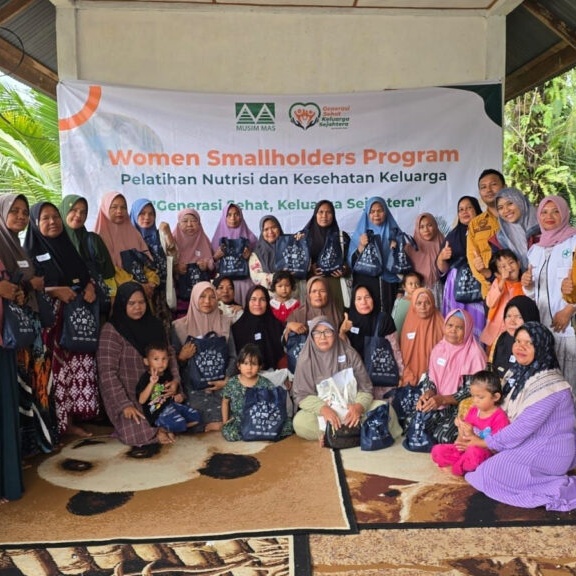
Her journey took another step forward when Musim Mas introduced the Women Smallholders Program (WSP). She saw it as an opportunity to complement her progress, not only improving her plantation but also strengthening herself as an individual.
“I want to grow further, not only for my plantation but also for myself and my family,” she said.
The WSP provides training and mentoring for women smallholders and smallholders’ wives, focusing on strengthening social and economic capacities so they can contribute more significantly to their families, farms, and communities.
Creating Change for Family and Community
One of the first trainings Ibu Ros attended in the WSP focused on family health and nutrition. It became a moment of reflection. She realized that she had not paid enough attention to her family’s health and had never undergone personal health check-ups.
“If I get sick, who will take care of my family and the plantation?” she reflected.
This awareness led to real changes. She began regulating her family’s diet—reducing sugar, salt, and fat intake and adopting healthier cooking methods like boiling and steaming. She also started exercising regularly and encouraged her family to adopt a healthier lifestyle.
The transition was not easy. Her family initially resisted dietary changes, but she remained consistent.
Over time, the results became evident. Not only did she feel healthier, but her husband and child also experienced improvements. “I feel lighter and less fatigued since losing 18 kg. My emotions are more stable. My husband and child are also healthier. My husband used to frequently experience shortness of breath and needed hospital oxygen, but now it has significantly reduced.”

Ibu Ros and her husband now live healthier lives after changing their diet following their participation in the Women Smallholder Program training.
Motivated to extend the impact beyond her household, Ibu Ros joined the WSP Training of Trainers (ToT), equipping her to become a community trainer.
“I want my friends and neighbors to live healthier lives too. That’s why I’m excited to become a trainer,” she said.

She now actively shares her knowledge with women in her village, becoming an agent of change in her community.
Strengthening Capacity for Sustainable Livelihoods
Beyond health, Ibu Ros continued developing her skills through financial literacy training and business mentoring. She learned the importance of financial planning and structured income management.
Through the WSP, participants were supported in establishing a small retail (sembako) business group. This initiative was guided by Ir. Diana Chalil from Universitas Sumatera Utara, focusing not only on profit but also on women’s capacity building, decision-making, problem-solving, and confidence in organizational roles.
For Ibu Ros, this became a significant milestone. The program provided both capital support and intensive mentoring.
“We faced many challenges when starting the business. We had to discuss problems and make decisions together. But the mentors helped us evaluate the risks and benefits of every decision.”
Their efforts paid off. Within one year, the business generated profits of up to IDR 70 million.
Family Remains the Priority
Despite her many roles, Ibu Ros continues to prioritize her family. She manages her time with discipline—starting her day by taking care of household needs before moving on to farm and organizational activities.
As her responsibilities grew, she hired nine workers from her local community to help manage the plantation. This not only supports operations but also creates employment opportunities for others.
For Ibu Ros, growth is not just personal; it is about creating value for those around her.
“From everything I do, I want my children to achieve the highest education possible. I also want to prove that women smallholders can grow and succeed,” she said.

A Journey of Continuous Growth
Ibu Ros’s story shows that empowerment is an interconnected process. It begins with improving farming practices, expands into personal development, and ultimately impacts family and community.
Change does not happen overnight. It starts with the courage to learn, to try, and to keep moving forward despite challenges.
From a more productive plantation to a stronger community, her journey is a reminder: when women are given access, space, and opportunity, they can create meaningful and lasting change.
By Frances Lam
Riparian buffer areas sit at the boundary between land and water. Its unique landscape features support diverse plant species, provide critical habitat for terrestrial and aquatic life, and connect ecological processes between land and water ecosystems.
These ecosystems store and fix carbon, serve as wildlife habitats and ecological corridors, stabilize streambank, provide shade, organic matter and food to the streams and their biota, retain sediment and chemicals (fertilizers and pesticides) applied on the cultivated/agricultural sites on upslope regions of the catchments (Simmons et al., 1992; Bren, 1993; Tabacchi et al., 2000; Sparovek et al., 2002; Neill et al., 2006; De Paula et al., 2011)

Riparian zones in Indonesia support diverse wildlife, providing water, food, and shelter, and serving as important corridors for species such as mammals, birds, reptiles, and insects to move across fragmented landscapes.
The following animal species have been recorded through biodiversity monitoring conducted within the Musim Mas concession.
| Mammals |
|
|
| Birds |
|
|
| Reptiles |
|
|
| Butterfly and Odonates |
|
|
Plants along rivers and streams act as natural filters. They slow surface runoff and trap sediment, excess nutrients such as nitrogen and phosphorus from agricultural activities, and other pollutants before they reach the water. Pollutants accumulated in soil can be transported to rivers through runoff and erosion processes, contributing to water pollution (Stephen R. Carpenter et al., 1998). By reducing the movement of contaminants into waterways, this filtration helps protect aquatic ecosystems and provides cleaner and safer water for communities that depend on these resources for daily activities.
Riparian zones are among the most vital habitats for biodiversity. These areas support a wide variety of plant and animal life and act as natural corridors that facilitate the safe movement of wildlife by reducing habitat fragmentation (Tabacchi et al., 2000; Naiman & Décamps, 1997).
Trees and shrubs along riverbanks help control local climate conditions. Tree shades keep water cooler, allowing more oxygen to dissolve and creating healthier conditions for fish and other aquatic life. Cooler water also reduces the risk of harmful algal blooms. Riparian forests also help slow climate change by absorbing and storing carbon in plant biomass and soil (Naiman & Décamps, 1997).
Riparian plants are very important for aquatic food webs. Leaves, twigs, and other plant material fall into the water and become food for insects and small animals. Fish, birds, and mammals then eat these insects. This process helps maintain a balanced, strong, and healthy ecosystem (Gregory et al., 1991).
A healthy riparian buffer area helps landscapes withstand and recover from environmental disturbances such as floods, droughts, and land-use changes. Vegetation along riverbanks stabilises soil, reduces erosion, and slows water movement across the landscape, supporting faster recovery after heavy rainfall or flooding (Osborne & Kovacic, 1993).

According to the World Wildlife Fund (WWF), the degradation or destruction of riparian forests can result in widespread environmental consequences, including:

Riparian areas provide homes and travel paths for many animals, including migrating birds. When these areas are damaged or removed, animals lose habitat, and biodiversity decreases.
When people remove trees and shade, sunlight heats the water, reducing dissolved oxygen and making it harder for fish and other aquatic animals to survive.
Without them, dirt, chemicals, and nutrients enter the water, causing algae to grow and deplete oxygen, which is vital for fish and other animals.
Plant roots stabilize riverbanks, but removing vegetation makes banks more prone to erosion and allows excess sediment to enter the water, harming aquatic life.
Healthy riparian areas slow water flow and allow more water to soak into the ground. Without them, water moves faster across the landscape, increasing the risk of flooding.
Changes in water temperature, oxygen levels, and food can cause sensitive species to disappear. Tougher or non-native species may take over, simplifying and unbalancing the food web.
Trees absorb carbon dioxide from the air. When trees are removed, this carbon is released back into the atmosphere, adding to greenhouse gas levels and exacerbating climate change.
Riparian buffers are established to safeguard rivers and reduce environmental impacts, with buffer widths determined by site-specific risk factors in accordance with Indonesian Government Regulation (PP) No. 38 Year 2011 on Rivers.

Riparian conservation at Musim Mas is guided not only by regulation, but also by internationally recognised sustainability frameworks – High Conservation Value (HCV) and High Carbon Stock (HCS). Under the HCV framework, riparian zones are identified as areas of significant ecological importance. By formally recognising these buffers as High Conservation Value areas, protective measures are embedded into land-use planning and day-to-day operations to prevent degradation and maintain their ecological integrity.
At the same time, riparian forests contribute to climate resilience under the HCS approach. Native vegetation along riverbanks stores carbon in both biomass and soil, helping to regulate local climate conditions and reduce greenhouse gas emissions. Protecting and restoring these carbon-rich areas strengthens the broader landscape’s ability to absorb and retain carbon while maintaining biodiversity and water quality. The Roundtable on Sustainable Palm Oil (RSPO) also recognizes the importance of riparian zones and has developed guidance documents for best management practices.
By integrating riparian management within both HCV and HCS frameworks, Musim Mas ensures that conservation efforts extend beyond compliance. Riparian buffers are managed as vital components of a connected, resilient landscape — supporting biodiversity, safeguarding rivers, and contributing to long-term climate responsibility.
Since 2009, restoration efforts have been carried out across 14 management units, with approximately 155,000 trees planted to date. With an average survival rate of 62%, these efforts reflect a long-term commitment to restoring riverbank ecosystems and strengthening landscape resilience. Where natural vegetation already exists, enrichment planting introduces additional tree species to strengthen canopy structure, enhance plant diversity, and reinforce the protective function of the riparian zone.
Environmental impacts are monitored through regular wildlife surveys, vegetation assessments, and water sampling to evaluate river health.
At Musim Mas, protecting riparian areas is integrated into daily operations. Conservation teams regularly patrol river buffer zones to prevent encroachment, maintain boundary markers and signage, and inspect riverbanks after heavy rainfall to monitor erosion or potential damage.
On-site nurseries provide a steady supply of native seedlings, while replanted areas are carefully maintained until the young trees are fully established. The use of chemical fertilizers and pesticides is avoided within riparian zones to prevent contamination of nearby water bodies. Community engagement is also conducted to raise awareness about the value of riparian ecosystems and to encourage local participation in protecting these areas.
Beyond fieldwork, environmental stewardship is embedded into daily operations. Workers and community members receive regular training on the importance of riparian buffers, protection measures, and fire prevention.
Engagement takes place throughout the year through stakeholder forums, worker sessions, and informal interactions during field monitoring. These platforms help incorporate local perspectives, address concerns, and gather feedback on conservation efforts. Updates on riparian protection initiatives are also shared, encouraging collaboration to safeguard river ecosystems and surrounding landscapes.
Together, these actions demonstrate that healthy riparian buffer zones are not just protected areas on a map — they are living ecosystems that support biodiversity, stabilise riverbanks, and safeguard water quality for the long term.
While significant progress has been made in protecting and restoring riparian areas, managing these ecosystems remains challenging. Musim Mas therefore adapts its conservation strategies to achieve effective, sustainable restoration outcomes.
One common issue is the rapid spread of cover crops. Although they provide benefits such as soil protection, they can overtake newly planted native trees if left unmanaged, limiting seedling growth and survival. Regular monitoring and maintenance are essential to ensure native species can establish successfully.
The restoration strategy combines active and passive approaches, including replacing oil palms with native jungle saplings while leaving some palm rows unmanaged. This supports natural undergrowth and the gradual recovery of forest vegetation.
In certain areas, rows of oil are used as an alternative to the usual practice of replacement with native species. Where site conditions are suitable, this passive restoration approach involves halting all agricultural activities to allow for natural regeneration. By minimising soil disturbance, it supports the gradual recovery of biodiversity and complements the overall restoration strategy.
Protecting riparian buffer zones requires strong on-the-ground management, with estate teams working closely alongside nearby communities. Musim Mas adopts a community-based approach, recognising that long-term conservation depends on both effective estate management and sustainable local livelihoods.
Estate teams oversee the implementation and upkeep of riparian buffers, including demarcation, monitoring, and enforcement, while engaging surrounding communities to raise awareness and minimise encroachment into sensitive areas.
In parallel, Musim Mas trains independent smallholders in Good Agricultural Practices (GAP), enabling farmers to improve productivity on existing land and reduce the need to expand into riparian zones and forests. Economic diversification initiatives, such as the Rokan Hulu Landscape and Livelihoods Initiative, further provide alternative income opportunities—particularly for women and smallholders—helping to reduce reliance on protected areas.
Physical measures, including signage and boundary markers, are installed along riparian reserves—especially near roads to clearly indicate conservation areas. These efforts are reinforced through routine patrols and inspections to deter encroachment.
A key challenge in riparian conservation is balancing ecosystem protection with the livelihoods of communities that depend on nearby natural resources. Supporting both environmental sustainability and community well-being remains a central focus of Musim Mas’ landscape management efforts.
Musim Mas also promotes regenerative agriculture within its operational landscapes. By encouraging practices that improve soil health, enhance biodiversity, and reduce chemical inputs, these approaches help sustain surrounding ecosystems. Methods such as maintaining vegetation cover and improving soil management can also increase productivity on existing agricultural land, reducing pressure on natural areas.
Musim Mas uses satellite-based platforms such as Earthqualizer and Radar for Detecting Deforestation (RADD) to monitor land-use changes across its operational landscapes. These systems provide bi-weekly alerts on potential disturbances, enabling the early detection of activities such as land clearing or encroachment near riparian reserves. Once an alert is triggered, on-site teams conduct ground verification to assess the situation and take appropriate action.
In addition to remote monitoring, trained field staff regularly patrol conservation areas to ensure their protection. Teams conduct daily patrols to monitor for signs of illegal development, land degradation, or unauthorized activities. Monthly biodiversity censuses are also conducted to document wildlife presence and monitor ecosystem health. These on-the-ground efforts complement satellite monitoring and help ensure that riparian buffer zones remain protected.

Musim Mas is committed to protecting riparian ecosystems as part of responsible plantation management. In Indonesia, riparian buffers are regulated under Government Regulation (PP) No. 38 of 2011 on Rivers, which sets requirements for protecting river corridors and maintaining ecological functions along rivers. These regulations provide an important foundation for safeguarding rivers, biodiversity, and surrounding landscapes.
Building on this framework, Musim Mas has integrated riparian protection into its standard operating procedures (SOPs). These procedures guide the identification, protection, and restoration of riparian buffer zones across plantations. Measures include maintaining buffer zones along the river, supporting natural and assisted vegetation regeneration, avoiding the use of chemical inputs within these areas, and conducting regular monitoring of vegetation, wildlife, and river health.
These efforts help strengthen ecosystem resilience. Healthy riparian forests stabilise riverbanks, reduce erosion, regulate water flow, and maintain cooler water temperatures that support aquatic life. They also provide habitats and natural corridors that allow wildlife to move across fragmented landscapes.
Musim Mas supports biodiversity conservation, protects water quality, and thereby contributes to healthier rivers and more resilient landscapes in the long term. Through these efforts, riparian buffers are managed not only as protected areas but as living ecosystems. By embedding riparian management into daily plantation operations, Musim Mas aims to contribute to healthier rivers, more resilient landscapes, and sustainable long-term palm oil production.
References:
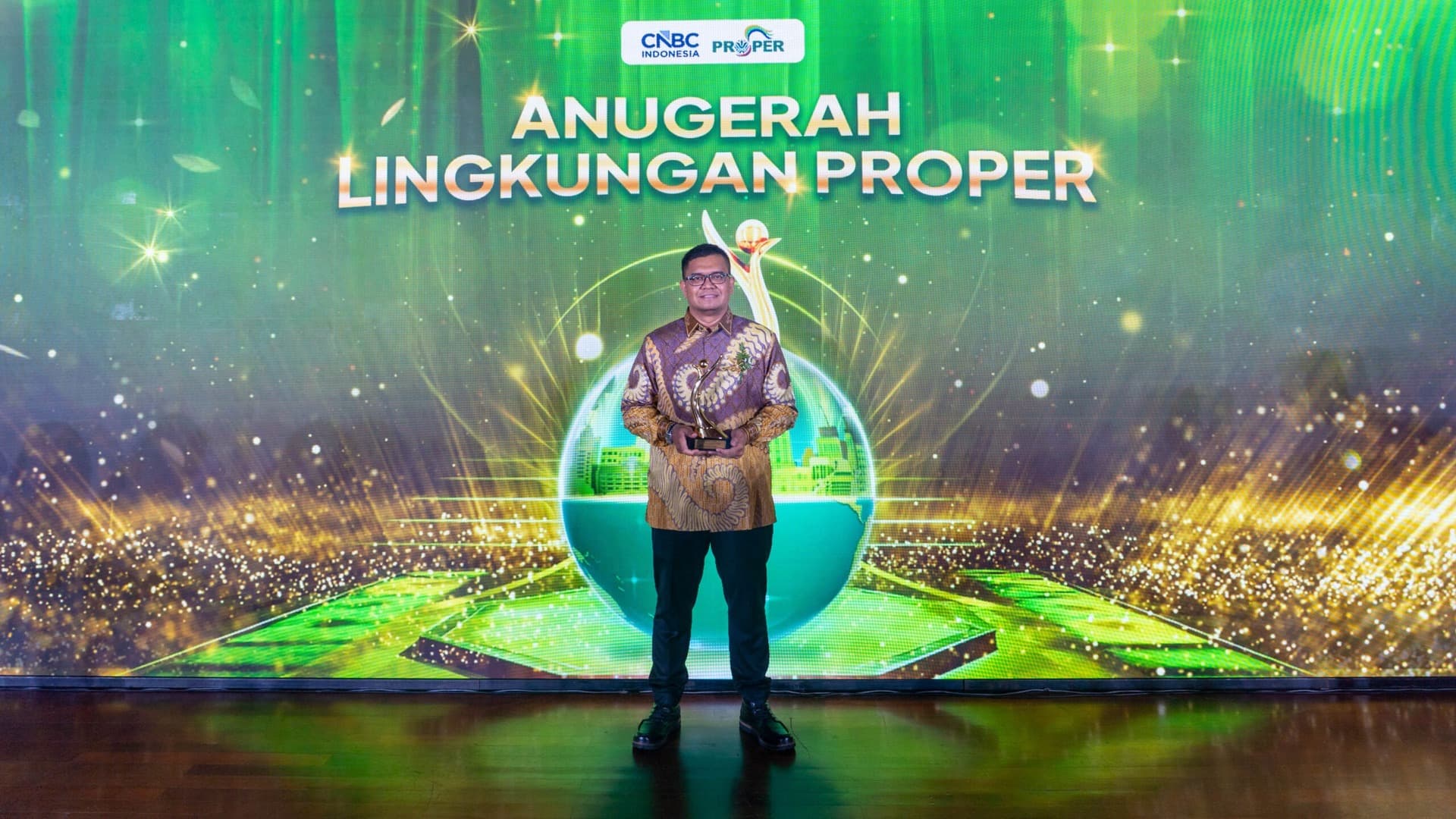
Medan, April 7, 2026 – The Ministry of Environment of the Republic of Indonesia officially announced the results of the 2025 Program for Pollution Control, Evaluation, and Rating (PROPER) in Jakarta on April 7, 2026. PT Indomakmur Sawit Berjaya (PT ISB) achieved the PROPER Gold rating, making it the only palm oil company to receive the PROPER Gold award in the 2024–2025 period. This marks a significant milestone in the company’s journey as a responsible player in Indonesia’s palm oil industry, and demonstrates its commitment to sustainable environmental and social management practices.
President Director of PT Indomakmur Sawit Berjaya, Rendy Andaria Bangun, SH, stated, “This achievement is not merely an award but a recognition of responsible palm oil management practices. It proves that the palm oil industry can grow in harmony with environmental preservation and social interests. This PROPER Gold award reflects the dedication and hard work of all our employees, the trust of our partners, and the support of our stakeholders.”
PT ISB actively leads efforts to address climate change mitigation and community empowerment. The company implements independent smallholder programs and has pioneered the adoption of Methane Capture technology. As part of its long-term commitment, PT ISB’s out sustainability practices are based on the following key pillars:
PT ISB’s commitment extends beyond environmental management to include independent smallholders through the Tunas Tadaya Program (Tumbuh Unggul Amanah Sejahtera Petani Swadaya).
This program represents a strategic investment and directly contributes to the achievement of the Sustainable Development Goals (SDGs), including poverty reduction (SDG 1) through improved smallholder welfare, supporting food security (SDG 2) through increased productivity, and reducing inequality (SDG 10) by enhancing smallholders’ access to global markets. Through continuous assistance, the company aims to improve capacity, market access, and better agricultural governance for its partner smallholders.
To create positive environmental impact, the company implements various adaptation and conservation programs. These include the Elephant Flying Squad program in Tesso Nilo National Park to reduce human-wildlife conflict, as well as the management of a Biodiversity Park (Taman Kehati) in collaboration with the University of Riau to preserve and study biodiversity sustainably.
In addition, for disaster risk management, the company utilizes satellite-based monitoring technology, strengthens governance through various certifications, and implements the No Deforestation, No Peat, No Exploitation (NDPE) policy. This holistic approach supports ecosystem protection, minimizes environmental risks, and enhances ecological and social resilience in surrounding communities.
PT ISB believes that long-term relationships with suppliers, buyers, and stakeholders can only be built through mutual respect and collaboration. As an example of the company’s contribution to meaningfully engage key stakeholders, the company actively promotes women’s participation and leadership at the community level. Women play a critical role as strategic partners and key drivers of development, not merely as beneficiaries. This commitment is part of its efforts to accelerate gender equality (SDG 5) as a foundation for inclusive and equitable sustainable development.
PT ISB is committed to supporting transitions to clean energy as part of its climate change mitigation efforts. Since 2017, the company has initiated the installation of Methane Captures . The Methane Captures not only reduces emissions but also creates long-term energy resilience and economic value.
By prioritizing the utilization of methane gas and biomass, PT ISB positions clean energy as a key driver of operational transformation. This initiative demonstrates that palm oil mills can become pioneers in accelerating clean energy adoption while making a tangible contribution to national climate change mitigation efforts.
“The PROPER Gold award this year serves as a driving force for PT ISB to continue growing sustainably, delivering added value to the environment, communities, all stakeholders, and contributing positively to Indonesia’s development,” Rendy concluded.

PT Indomakmur Sawit Berjaya (PT ISB) has, for the first time, received the PROPER Gold Award 2025 and is the only palm oil company to achieve this recognition this year. This award reflects the company’s ongoing commitment to implementing environmentally and socially responsible business practices.

The TUNAS TADAYA Program (Tumbuh Unggul Amanah Sejahtera Petani Swadaya), located in Pasir Intan Village and Tanjung Belit Village, Rokan Hulu, Riau, is a social and environmental investment program implemented by PT Indomakmur Sawit Berjaya. Through continuous assistance, the company aims to enhance smallholders’ capacity, market access, and agricultural governance, including empowerment programs for women smallholders and their spouses.

Methane Capture at PT Indomakmur Sawit Berjaya refers to the technology used to capture methane gas and utilize it as a source of electricity. This implementation is part of efforts to reduce greenhouse gas (GHG) emissions while supporting the use of renewable energy.
A Story of an Independent Smallholder Supported by Musim Mas
In a small village in Rokan Hilir, Riau, Kateni is known for more than just being an oil palm smallholder. To many independent smallholders around him, he represents something greater—proof that hard work, a willingness to learn, and the courage to change can transform lives.
At 58, Kateni’s journey has taken him far—from his early days as a fisherman along the coast of North Sumatra to becoming a source of inspiration and a driver of change for hundreds of smallholders in Rokan Hilir.
From the Sea to the Land
Kateni was born in Tanjung Balai Asahan, a coastal area in North Sumatra where most people depend on the sea for their livelihoods. He grew up as a fisherman, like many in his community,.
After getting married, however, his path began to shift. His father-in-law encouraged him to consider farming, as several family members had already found more stable incomes through it. That advice planted a seed—one that led Kateni to imagine a different future for his family.

Starting from Nothing in Riau
In 1997, Kateni and his wife made the life-changing decision to move to Riau. With savings built from years of hard work—ranging from wage labor and raising chickens to growing vegetables—they were eventually able to purchase two hectares of land to establish their oil palm plantation.
The journey, however, was far from easy. Kateni carefully managed their finances, choosing not to spend all their savings on the farm and instead setting aside emergency funds to ensure his family’s security. “If all the money is spent on fertilizer, what will my family eat tomorrow?” he recalled.
In the early days, he and his wife managed the plantation on their own. His motivation was simple yet deeply personal—to give his children the opportunity for a better education than he had, having never completed primary school.

Kateni and his wife care for their oil palm plantation with great dedication, driven by their determination
to support all three of their children through higher education.
Standing Strong Through Challenges
The first years were full of obstacles. Wild animals such as wild boars and porcupines frequently damaged young crops. While some farmers gave up, Kateni chose to persist. He even stayed away from his hometown for five years to focus entirely on building his plantation.
“I didn’t want to fail—at least not before my farm could truly produce,” he said.
At the time, his farming practices were still very basic. Fertilizer was applied without proper measurement, pesticides were used without clear control, and there was no record-keeping.
“Back then, I thought everything I did was already right,” he said with a smile.
A Turning Point with the Musim Mas Smallholder Program
A major turning point came in 2017, when the Musim Mas Smallholder Program was introduced in his village. The program aims to strengthen smallholders’ capacity through training in good and sustainable agricultural practices.
At first, Kateni was skeptical. Past experiences with several organizations had left him cautious, making it difficult for him to place his trust easily. However, a small unexpected moment started to change his perspective.
One day, a program staff member ordered snacks from his wife for a training session. When Kateni delivered the order, he overheard part of the training—and his curiosity was sparked.
At the next session, he began asking questions and eventually invited the Musim Mas field team to visit his plantation. During the visit, they identified signs of urea deficiency in his oil palm trees, visible in the yellowing leaves.
Though he had his doubts at first, Kateni chose to give the recommendations a chance. Within three months, he began to see the difference—his trees looked greener, healthier, and full of life. Encouraged by these results, he decided to fully join the program in 2018.

Kateni with Mastor P. Sitorus, a Musim Mas field officer who has continuously supported and accompanied him from the early days of the program through to today.
Doubling Productivity
Since then, Kateni has applied what he learned—proper fertilization, improved maintenance, better harvesting techniques, and systematic record-keeping.
When he first began tracking his yields, his productivity was around 12 tons per hectare per year. Over time, it increased significantly.
“In 2023, I reached 25 tons per hectare per year,” he said.
This progress reinforced his belief that knowledge and good practices truly make a difference.
Driving Change Across Rokan Hilir
Kateni’s dedication and persistence in applying good agricultural practices have made him a respected example among fellow independent smallholders in his village.
In 2019, when smallholders in Rokan Hilir came together to establish the Negeri Seribu Kubah Oil Palm Smallholders Association (APSKS-NSK), with guidance from the Musim Mas Smallholder Program, Kateni was entrusted to serve as its chairman.
Under his leadership, the association has grown significantly—from 341 members at its inception to 995 members in 2025, managing a combined area of more than 2,600 hectares.
For Kateni, the association’s vision is to nurture knowledgeable, environmentally responsible, and sustainable smallholders who can thrive both locally and internationally. He brings this vision to life through concrete actions, particularly by guiding members toward certification under the Roundtable on Sustainable Palm Oil (RSPO) and Indonesian Sustainable Palm Oil (ISPO) standards—an effort that aligns closely with the goals of the Musim Mas program.
According to Kateni, adopting sustainable farming practices in line with certification principles has not been the greatest challenge for the association, as members already have a strong awareness of sustainability. In the early stages, the main challenges lay in audit preparation and financing. With the support and close guidance of Musim Mas, however, these challenges were successfully addressed.

Kateni’s activities with fellow members of the Negeri Seribu Kubah Oil Palm Smallholders Association (APSKS-NSK) reflect a shared journey—learning from one another and growing together as independent smallholders.
“Today, the main challenge lies in land legality and obtaining the STDB land title, which is required for ISPO certification. As an association, together with the Musim Mas team, we are committed to supporting and guiding our members so they can meet these certification requirements, which are mandated by the Government of Indonesia.”
Building Shared Prosperity
Under Kateni’s leadership, the association has also been able to unlock economic opportunities from sustainability certification. With the support of Musim Mas, APSKS-NSK has successfully traded RSPO credits, generating more than IDR 21 billion in sales between 2021 and 2025. These incentives have been used to strengthen the organization’s capacity, to provide insurance in line with government guidlines (BPJS Ketenagakerjaan), and reinvest in the well-being of its members.
A significant milestone was achieved in 2025, when the association successfully built its own office independently. For Kateni, the building—situated on a 2,000-square-meter plot—is more than just a physical structure; it represents the shared journey and collective progress of APSKS-NSK members.

Kateni’s long-held dream of establishing an association office finally came to life last year. This achievement stands as a testament to the group’s hard work and collaboration, dedicated as a lasting legacy for future generations.
“This association does not belong only to me or the current management, but also to those who will come after us. That is why I want to leave something meaningful for them. We also hope to pass on the values behind the journey we are building today,” he said.
A Legacy for the Next Generation
For Kateni, this journey is not only about improving farm productivity, but also about building a better future for the smallholder community. He has even begun sharing his experiences as a guest speaker at a local secondary school in Rokan Hilir, while preparing a book that reflects the life lessons he has gathered along the way.
“I may not have completed primary school,” he said, “but that has never stopped me from continuing to learn.”
From a fisherman on the coast of North Sumatra to a driving force for change among more than a thousand smallholders in Riau, Kateni’s story shows that meaningful transformation often begins with a simple step—the courage to learn and to try a better way. Today, his journey continues to inspire many others to grow together toward a more sustainable future.
“Thank you to Musim Mas for patiently supporting us from the very beginning until now. We have learned so much—not only about farming, but also about how to support one another and grow together. We hope this partnership continues, and that in the years ahead, our lives as smallholders will keep improving, and our children will have even brighter futures,” Kateni concluded.
Surfactants are the backbone of modern cleaning and personal care formulations—but not all surfactants work the same way. Two of the most commonly discussed surfactants are Sodium Lauryl Sulfate (SLS) and Sodium Laureth Sulfate (SLES), both widely used across personal care, home care, and industrial applications.
This Q&A-style guide explains what surfactants are, how they work, and the key differences between SLS and SLES, including performance, skin compatibility, safety, and sustainability considerations. Whether you’re a formulator, manufacturer, or customer evaluating ingredient choices, this article provides clear, practical answers to the most frequently asked questions on common surfactant fundamentals.
Surfactants, short for surface-active agents, are chemical compounds that help substances that normally do not mix — such as oil and water — work together. They are essential ingredients in many everyday products, including shampoos, detergents, soaps, and industrial cleaners.
Surfactants improve how products clean, foam, emulsify, and stabilise ingredients. Without surfactants, water alone would struggle to remove oils, grease, and dirt effectively. This makes surfactants critical to personal care, home care, food, pharmaceutical, and industrial applications.
Surfactants work by reducing surface tension between liquids or between liquids and solids. Each surfactant molecule has two parts:
When mixed with water, surfactants form microscopic structures called micelles. The oil-attracting tails trap dirt and grease inside, while the water-attracting heads allow the particles to be rinsed away.
Surfactants are commonly classified into four categories based on their electrical charge:
Each type is chosen depending on the performance, formulation needs, and end-use application.
Sodium Lauryl Sulfate (SLS) is an anionic surfactant known for its strong cleansing and foaming properties. It is widely used in shampoos, soaps, toothpaste, household cleaners, and industrial detergents.
SLS is effective at removing oils and dirt, which is why it is commonly used in products that require powerful cleaning performance.
Sodium Laureth Sulfate (SLES) is similar to SLS but has undergone a process called ethoxylation, which makes it milder on skin while maintaining good cleansing and foaming ability.
Because of its gentler profile, SLES is frequently used in personal care products such as body washes, facial cleansers, and hand soaps designed for regular use.
The key difference lies in mildness and formulation:
Both are widely used and safe when formulated correctly and used as intended.
Surfactants are used across many industries, including:
Their versatility makes surfactants indispensable in modern manufacturing.
Surfactants such as SLS and SLES have been extensively studied and are considered safe when used in regulated concentrations. Product safety depends on formulation, usage levels, and intended application. Many surfactants are readily biodegradable and do not persist in the environment when properly treated through wastewater systems.
SLS and SLES are not inherently harmful. However, because SLS is a strong cleanser, it may cause irritation for some individuals if used in higher concentrations or on sensitive skin. SLES is generally milder and preferred for daily-use personal care products.
Formulators often combine these surfactants with conditioning agents to improve skin compatibility.
The environmental impact of surfactants depends on their raw materials, biodegradability, and supply chain practices. Many modern surfactants are derived from renewable, plant-based sources and are designed to biodegrade efficiently.
Responsible sourcing and manufacturing play a key role in reducing environmental impact.
Musim Mas supplies surfactants derived from renewable feedstocks such as palm and coconut oil, supported by traceable and responsible sourcing practices. We take a dual approach of product performance and environmental responsibility, including commitments to deforestation-free supply chains and continuous sustainability improvements.
Sustainable palm oil, which is used to produce our products is certified with internationally recognized standards such as the Roundtable on Sustainable Palm Oil (RSPO) and others.
From the soap that cleans your hands to the detergents that keep homes and industries running efficiently, surfactants play a vital role in hygiene, health, and productivity. Their ability to improve cleaning and formulation performance makes them essential to modern living.
Surfactants are available in several product forms to suit different manufacturing and application needs. Common forms include liquids, pastes, powders, and granules. Granular surfactants are often preferred for dry blending, easier handling, reduced dusting, and precise dosing in industrial and home care formulations.