The Musim Mas Professorship in Sustainability
Key takeaways
- The Musim Mas Professorship in Sustainability at the National University of Singapore (NUS) was established in 2011. It supports leading academics working on research and education about emerging sustainability challenges.
- In 2024, the Professorship was reappointed to Prof Tong Yen Wah of the NUS College of Design and Engineering (CDE). Its aims are to encourage cross-disciplinary collaboration, develop practical sustainability solutions and strengthen the link between academic research and industry.
- The second Musim Mas Workshop in Biomass and Sustainability brought together researchers from several countries. CDE researchers from the Department of Chemical and Biomolecular Engineering presented alongside delegates from universities in Australia, Hong Kong and Malaysia.
- The sessions covered how biomass can support circular, low-carbon solutions. Topics included microalgae-based carbon capture, biochar production, food waste biorefinery, wastewater treatment and sludge management.
- The Professorship also supports research that could advance sustainability in the palm oil industry and related sectors. It strengthens Singapore’s role as a regional hub for sustainability research.
- Musim Mas aims to support research that turns into real-world solutions. That means improving resource efficiency, reducing waste and making processes and products more sustainable, by bringing science, industry and practical implementation closer together.
Established in 2011, the Musim Mas Professorship in Sustainability at the National University of Singapore (NUS) was created to support leading academics in advancing research and education on emerging sustainability challenges. Reappointed in 2024 to Prof Tong Yen Wah of the NUS College of Design and Engineering, the Professorship seeks to foster cross-disciplinary collaboration, generate practical sustainability solutions, and strengthen the link between academic research and industry application. Through initiatives such as the Musim Mas Workshop in Biomass and Sustainability, the Professorship provides a platform for researchers, industry practitioners, and students to exchange knowledge and explore innovations that can contribute to a more sustainable future.
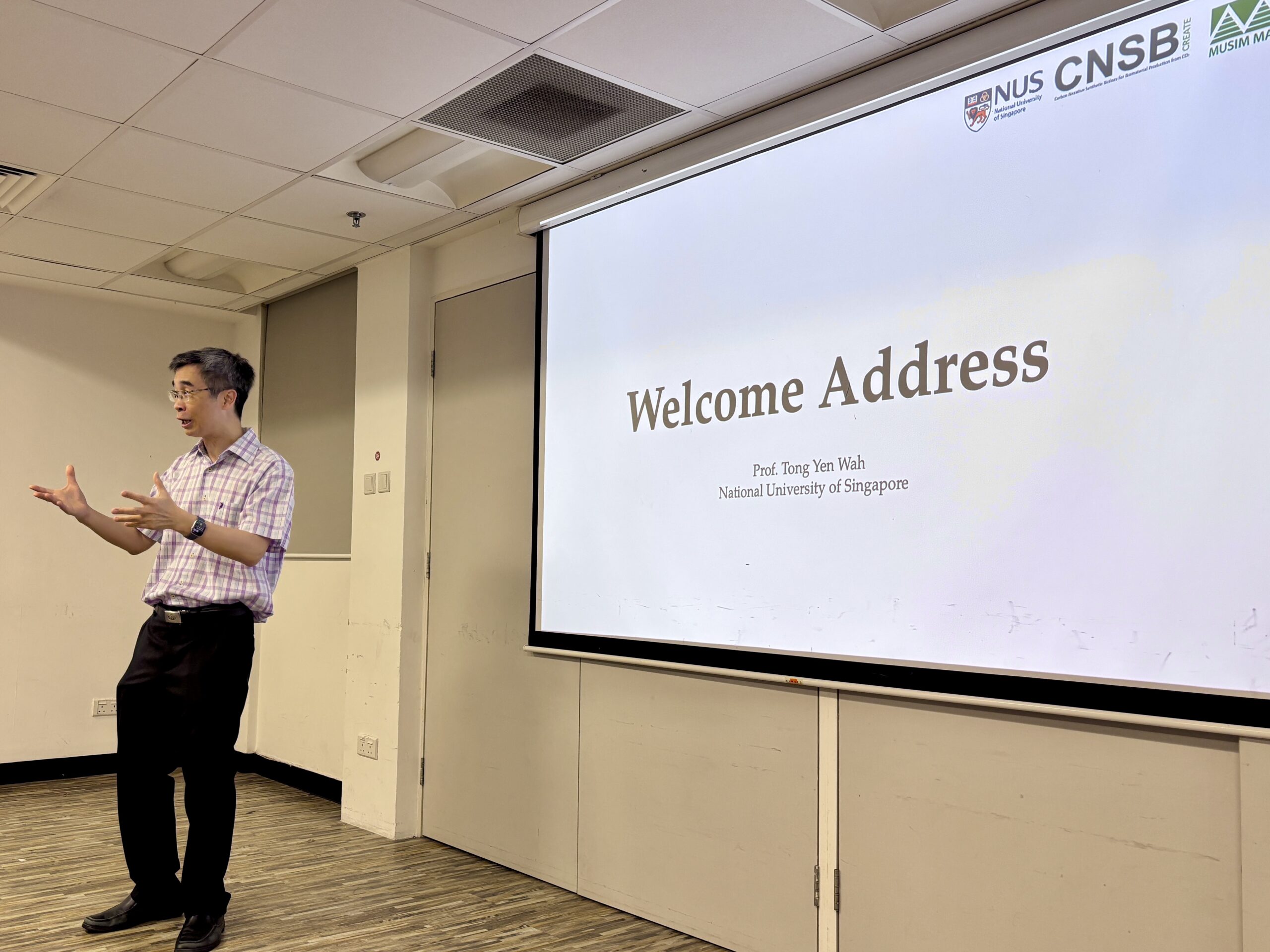 Prof. Tong Yen Wah, College of Design and Engineering, National University of Singapore
The Second NUS Musim Mas Workshop in Biomass and Sustainability
“Sustainability challenges cannot be solved within disciplinary silos, and they require expertise from around the world with their unique perspectives and technologies. The Musim Mas Workshop in Biomass and Sustainability creates a valuable platform for researchers to exchange ideas across fields and borders, and to explore how biomass, waste valorisation and resource recovery can contribute to a more circular and low-carbon future,” said Prof Tong Yen Wah (Chemical and Biomolecular Engineering), recipient of the Musim Mas Professorship, at the second Musim Mas Workshop in Biomass and Sustainability.
Organised under the Musim Mas Professorship in Sustainability, the workshop reflects the Professorship’s wider mission: to contribute positively to emerging sustainability topics through a broad range of cross-disciplinary lessons and research. Supported by Musim Mas, the Professorship enables CDE to bring together expertise across disciplines and to strengthen Singapore’s role as a regional hub for sustainability research. Awarded to Prof Tong, the Professorship also supports research that can advance sustainability efforts in the palm oil industry and related sectors.
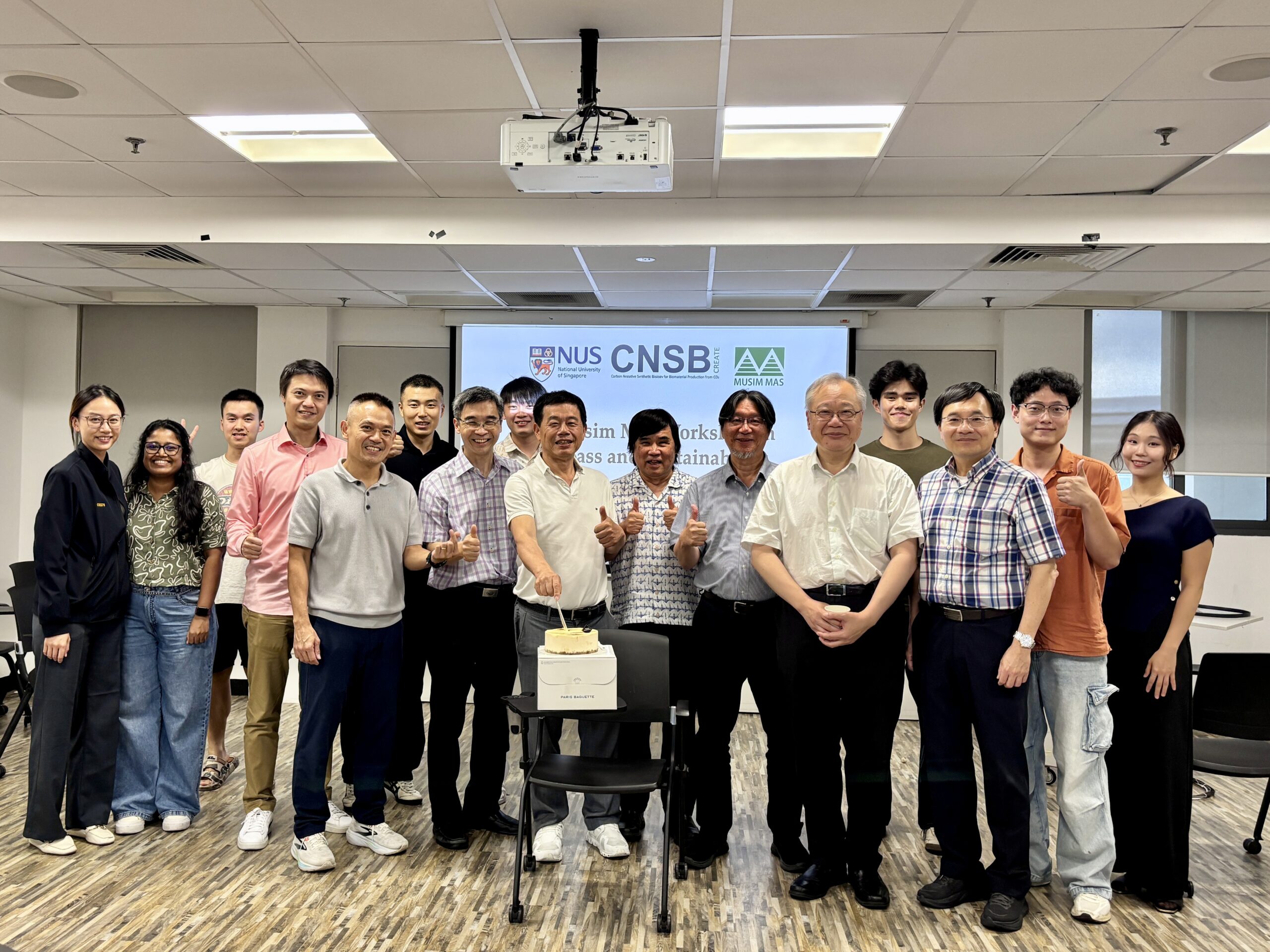
Participants at the 2nd NUS-Musim Mas Workshop in Biomass and Sustainability
The programme opened with an overview of CDE research in biomass and sustainability, featuring presentations by Assoc Prof David Leong, Assoc Prof Yang Kun-Lin, Assoc Prof Lanry Yung, and Asst Prof Zhang Yamin from the Department of Chemical and Biomolecular Engineering.
The workshop also featured presentations by delegates from overseas universities — including Australia, Hong Kong and Malaysia — on topics including microalgae-based carbon capture, biochar production, food waste biorefinery, wastewater treatment, and sludge management. Together, these discussions highlighted the growing role of biomass in advancing circular and low-carbon solutions for a more sustainable future.
“At Musim Mas, we believe sustainability progress depends on bringing science, industry, and practical implementation closer together. Through the Musim Mas Professorship in Sustainability, we want to support research that translates into solutions which improve resource efficiency, reduce waste, and result in increased sustainability of processes and products. This workshop has provided a platform for collaboration on how biomass and circular economy approaches can contribute to a lower-carbon future,” said Olivier Tichit, Director of Communications and Sustainability, Musim Mas.
Collaborate with Musim Mas on Sustainability Research