Behind the flaky crust of a pie, the soft crumb of a layer cake, or the crisp texture of a deep-fried snack, there is often one underrated ingredient at work, which is vegetable shortening. A staple in commercial baking and food manufacturing, vegetable shortening delivers functionality that other fats, including butter and liquid oils, simply cannot replicate in certain applications.
This guide covers everything food manufacturers, bakery formulators, and ingredient sourcing professionals need to know about vegetable shortening: what it is, how it works, the different types available, and when to use it.
What Is Vegetable Shortening?
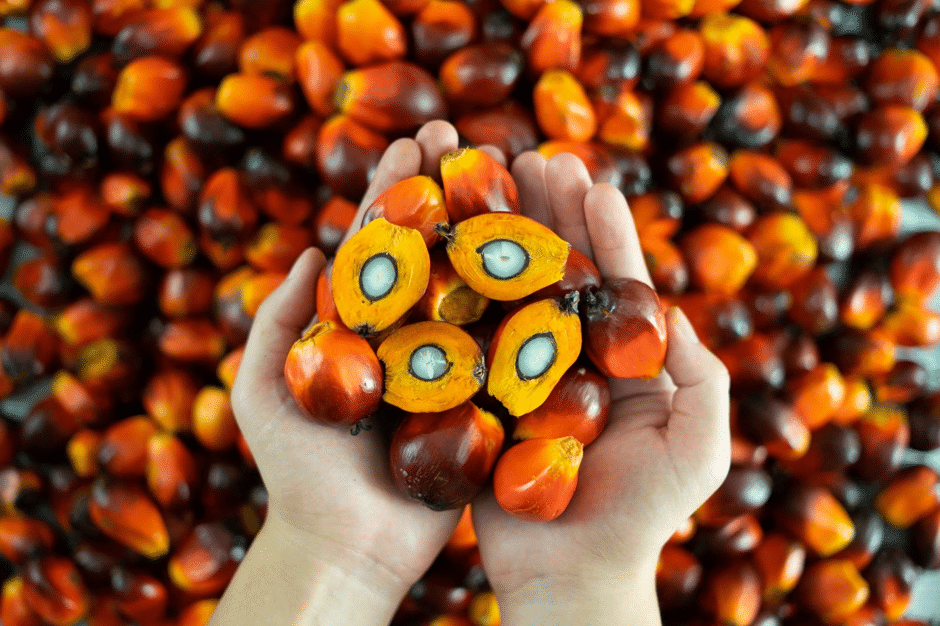
Vegetable shortening is a semi-solid fat derived from plant-based oils, most commonly palm oil, soybean oil, cottonseed oil, or blends thereof. At room temperature, it maintains a plastic, semi-solid consistency, 100% fat with virtually no water content.
Traditionally, vegetable oils are liquid at room temperature. To achieve the characteristic solid texture of shortening, manufacturers use one of two processes:
• Hydrogenation: hydrogen atoms are added to the oil’s fatty acid chains, converting unsaturated fats to saturated fats and solidifying the oil. Full hydrogenation produces no trans fats, partial hydrogenation (now widely banned) did produce harmful trans fats.
• Fractionation: the oil is physically separated into liquid and solid fractions. Palm-based shortening is typically produced this way, without any chemical modification, yielding a naturally solid, trans-fat-free product.
Vegetable shortening is odorless and essentially flavorless, with a long shelf life and excellent heat stability, making it highly functional across a wide range of industrial food applications.
How Does Shortening Work in Baking?
(Source: Unsplash/Tabitha Turner)
The term “shortening” derives from its primary mechanical function: it “shortens” gluten strands in dough. Here is how it works:
During mixing, wheat flour proteins form gluten networks that give dough elasticity and chewiness. When shortening is incorporated into the flour before liquids are added, it coats the flour particles and gluten strands. This coating prevents the gluten from forming long, continuous networks, resulting in a tender, crumbly, or flaky texture rather than a chewy one.
Beyond gluten management, shortening also:
• Traps air during creaming, creating lift and volume in cakes and frostings
• Creates distinct layers in puff pastry and pie crusts as water evaporates during baking
• Provides a higher smoke point than butter, making it suitable for frying applications
• Extends shelf life by reducing moisture migration in baked goods
Because shortening contains no water (unlike butter, which is roughly 16–18% water), it contributes more efficiently to fat functionality in baking, yielding more consistent results in high-volume production.
Types of Vegetable Shortening
Not all shortenings are formulated the same way. Different products are optimized for different applications:
All-Purpose Shortening
A versatile, general-use shortening suitable for a broad range of baking applications, from cookies and cakes to pie crusts and biscuits. It performs reliably across different temperatures and mixing methods.
Baking / Cake Shortening
Formulated with emulsifiers (such as mono- and diglycerides), this type of shortening is specifically designed to incorporate more air during creaming. The result is a finer crumb structure and greater volume in layer cakes and cream-based frostings.
Frying Shortening
Optimized for high-heat applications, frying shortenings are formulated to resist oxidation and thermal breakdown over extended use. They provide consistent frying performance in commercial foodservice and industrial snack production.
Many shortenings, including baking and frying variants, are derived from palm stearin through fractionation rather than hydrogenation. This makes them naturally semi-solid at room temperature with no trans fats, offering excellent stability, a high smoke point, and a neutral flavor. Palm-based options are a preferred choice for manufacturers seeking clean-label, non-hydrogenated fats.
Vegetable Shortening vs Other Fats
Understanding how shortening compares to other common fats helps formulators make the right choice for each application:
| Fat | Water Content | Flavor | Best For | Trans Fat? |
| Vegetable Shortening | 0% | Neutral | Structure, flakiness, frying | None (modern formulations) |
| Butter | ~16-18% | Rich, dairy | Flavor, flakiness (home baking) | Naturally trace amounts |
| Liquid Vegetable Oil | 0% | Neutral to mild | Moist cakes, stir-frying | None |
| Lard | 0% | Mild savory | Flaky pastry, frying | None |
When Should You Use Vegetable Shortening?
Vegetable shortening is the preferred fat choice in the following scenarios. Musim Mas offers a range of shortening solutions designed for specific applications, from baking and frying to industrial-scale food production. Explore our full portfolio of shortening products to find the right fit for your formulation needs.
• When a neutral flavor is required so it does not compete with other ingredients
• When specific textures are needed, tender crumb, flaky layers, or structured aeration
• For high-temperature frying where fat stability and smoke point matter
• In large-scale industrial baking where consistency and shelf life are priorities
• When formulating without animal-derived ingredients (as a plant-based alternative to lard)
Selecting the right vegetable shortening is a critical decision for achieving consistent product quality and operational efficiency. Whether you are aiming for the perfect flaky pastry or a stable high-heat frying solution, the functionality of the fat determines the success of your formulation.
At Musim Mas, we specialize in high-quality, palm-based shortening solutions produced through natural fractionation, ensuring a trans-fat-free profile without compromising on performance. Our technical experts are ready to help you optimize your production with sustainable and reliable ingredient solutions.
Contact our sales team today to learn more about our tailored shortening range and how we can support your manufacturing needs.
Frequently Asked Questions
What is vegetable shortening made of?
Vegetable shortening is made from plant-based oils such as palm oil, soybean oil, or cottonseed oil. These oils are solidified through hydrogenation or fractionation to achieve the desired semi-solid consistency.
Is vegetable shortening the same as butter?
No. Butter is a dairy product containing approximately 80% fat, 16–18% water, and milk solids, all of which affect its flavor and baking performance. Vegetable shortening is 100% fat with no water, no dairy, and a neutral flavor.
Why is shortening used in baking?
Shortening is used in baking primarily to control gluten development, resulting in tender and flaky textures. It also contributes to aeration in creamed batters and provides stability in high-temperature frying.
What are the different types of shortening?
Common types include all-purpose shortening, cake/baking shortening (with emulsifiers), frying shortening, and palm-based shortening. Each is optimized for different functional requirements.
Is vegetable shortening healthy?
Modern vegetable shortenings, particularly palm-based, non-hydrogenated versions, contain no trans fats. Like all fats, they are calorie-dense and should be used in appropriate quantities within a balanced formulation strategy.