How palm wax offers a practical, versatile alternative for the candles and tealights that illuminate Diwali celebrations
Key Takeaways
- Traditional diyas are commonly fuelled by oil or ghee and remain an important part of Diwali celebrations.
- Wax candles offer another way to bring light into homes and festive spaces, without the need to handle liquid oil or ghee.
- Palm wax has a higher melting point and good consistency, and can produce a bright, stable flame without soot when appropriately formulated.
- Different palm wax grades can be used for tealights, pillar candles, decorative jar candles and other applications.
- Musim Mas works with customers to customise wax blends, ratios and processing conditions according to their performance and visual requirements.
From Oil and Ghee to Wax
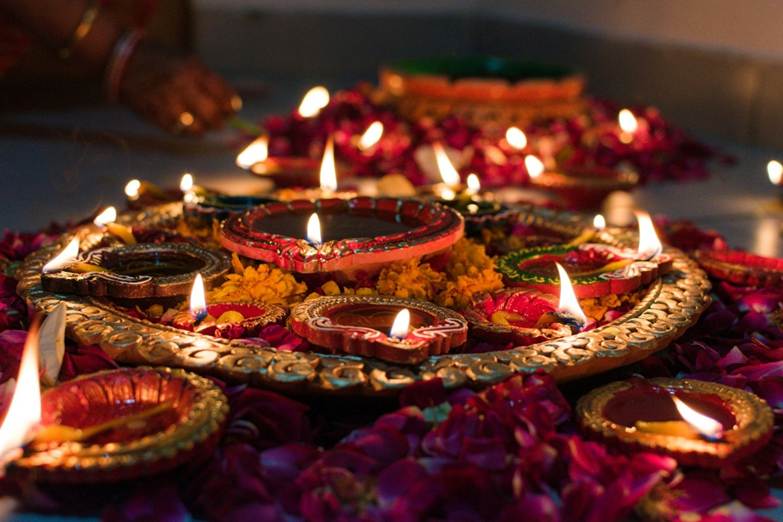
Light is at the heart of Diwali. Across homes, temples and festive spaces, lamps and candles are used to illuminate the celebrations.
The traditional diya is a small lamp fuelled with oil or ghee and lit with a wick. For generations, these lamps have been used as part of Diwali rituals and remain an important expression of the festival.
But not every light used during Diwali needs to be an oil lamp. Wax candles and tealights have become another practical way to create the warm glow associated with the festival. They can be prepared and positioned without measuring or pouring liquid fuel, making them convenient for decorating homes, dining tables, entrances and other spaces.
For households lighting multiple candles at once, this can also mean less concern about spilled oil or ghee. And depending on the candle’s formulation and format, a single candle can be designed to provide a longer burn, reducing the need to replenish fuel during an evening of celebrations.
The result is a familiar Diwali tradition, light, in a format that can be adapted to modern spaces and routines.
What Is Palm Wax?
Not all candles are made from the same type of wax.
Palm wax is produced from palm oil and can be used as an alternative to paraffin, soy and other waxes. Its properties make it suitable for a range of candle applications.
One of its advantages is its relatively high melting point, together with good consistency. Palm wax can also hold and disperse fragrances effectively. When appropriately formulated, it can produce a bright and stable flame without soot.
These characteristics matter because candle making is not simply about finding a material that burns. The wax needs to work with the wick, container or mould and other components to deliver the intended burn performance and appearance.
That is why different candle formats can call for different wax grades or formulations.
From Palm Wax to Tealights
A tealight may look simple, but its small size leaves little room for variation in the wax and wick combination.
For tealights, the wax needs to fill the container effectively and support a consistent burn. Musim Mas offers SM3180, a palm wax grade specifically listed for tea light filling.
The same palm wax portfolio extends beyond tealights. Other grades are designed for applications including:
| Palm wax grade | Application | Process |
|---|---|---|
| SM3180 | Tealights | Filling |
| SM2000, SM2130, SM2132 | Pillar candles | Moulding |
| SM 6722, SM 6725 | Decorative jar candles | Filling |
| PSF53, SM 6065 | Grave lights, religious 7-day, lo-boy and outdoor candles | Filling |
| HPO5532 | Pillar candles | Moulding |
This range reflects an important part of candle formulation: there is no single wax formulation that needs to work for every candle.
Why Formulation Matters
The wax is only one part of a finished candle. Its performance depends on how it is formulated and processed for the intended application.
A candle designed to sit in a small tealight cup has different requirements from a large pillar candle or a decorative jar candle. The desired appearance, burn characteristics and production process can all influence the choice of wax and the way it is used.
Musim Mas works with customers to customise wax blends, including recommending blend ratios and processing conditions to achieve specific performance or visual characteristics.
This flexibility allows palm wax to serve not only as a raw material, but as part of a formulation developed around a particular candle design or application.
Developing a candle for a specific format?
Tell us what your candle needs to do, and our team can recommend a palm wax grade or blend to match.
Bringing Palm Wax into Diwali Celebrations
For Diwali, this versatility opens up more ways to incorporate light into a celebration.
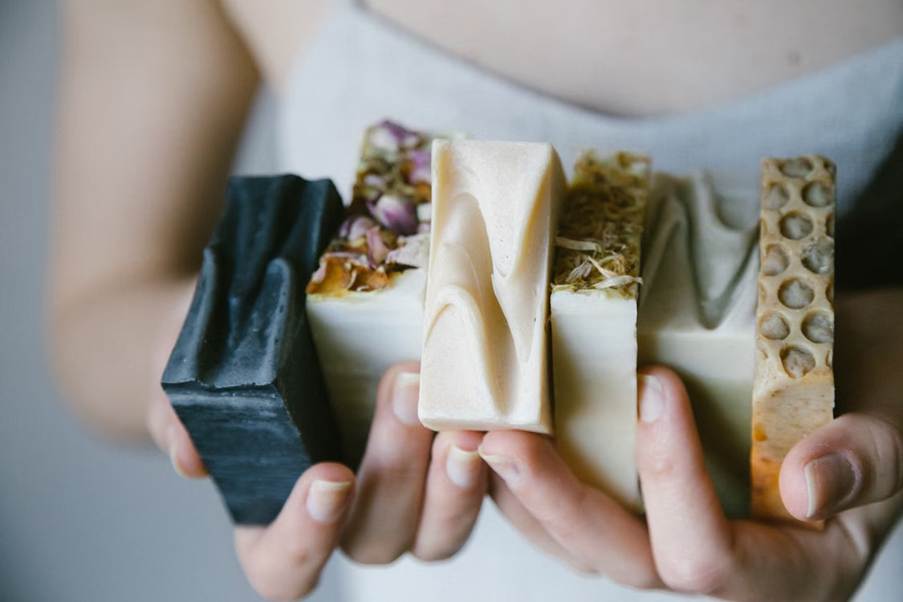
Tealights can be arranged across tables or around decorative displays. Pillar candles can become part of larger festive arrangements, while candles in jars can combine illumination with decorative elements.
Unlike an oil-filled diya, a pre-filled wax candle does not require liquid fuel to be measured and poured before lighting. This can make it a convenient option when multiple lights are being prepared around the home.
It is still important to treat any open flame with care. Candles and diyas should be placed on stable, heat-resistant surfaces, kept away from curtains, decorations and clothing, and never left unattended. Fire-safety guidance specifically highlights the need for care when using both candles and diyas during Diwali.
The choice between an oil or ghee diya and a wax candle therefore need not be an either-or decision. Traditional lamps can remain part of the ritual, while wax candles offer another format for bringing light into the wider celebration.
From Palm Oil to Palm Wax
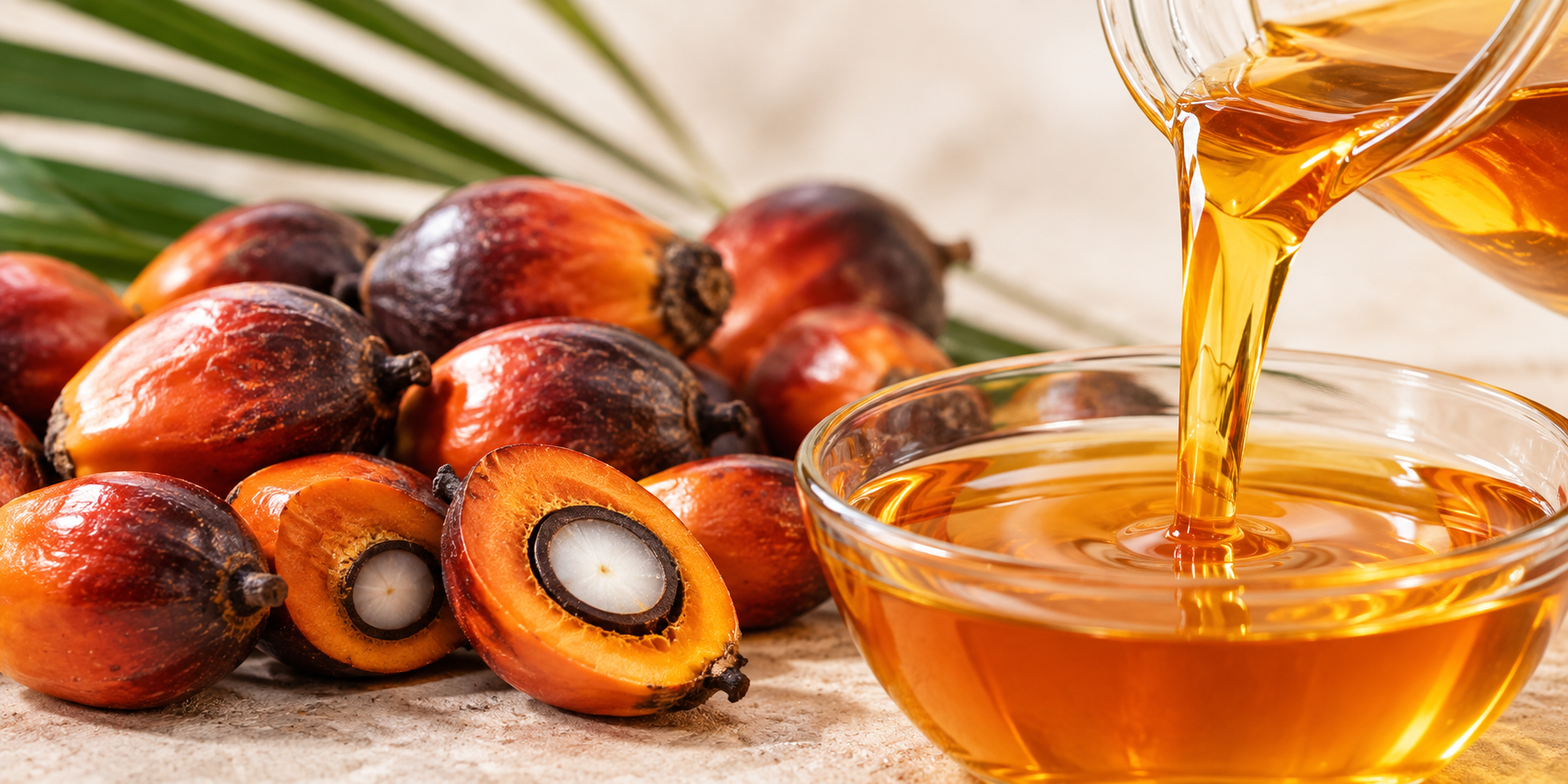
Palm wax is one example of how palm oil can be processed into materials for applications well beyond food.
The journey begins with palm oil, which is processed and refined before being further transformed into materials with different properties and uses. In the case of palm wax, the resulting material can then be formulated for specific candle applications.
For manufacturers, this means the story does not end with the raw material. The characteristics of the final wax, including its consistency, melting behaviour and burning performance, matter just as much in determining how it can be used.
For Diwali celebration candles, those technical choices ultimately shape something much more familiar: the light produced in a home.
What to Look for in Palm Wax
For candle manufacturers and brands, selecting a wax is about more than the source of the raw material. The right grade needs to match the intended candle format and production process. Depending on the application, considerations can include:
- Melting point and consistency
- Burn performance
- Flame stability
- Appearance and finish
- Fragrance retention and dispersion
- Filling or moulding requirements
- Compatibility with other waxes and ingredients
- The desired visual and performance characteristics of the finished candle
Musim Mas’ palm wax portfolio includes grades for tealights, pillar candles, decorative jar candles and other specialised applications, with customisation available for specific customer requirements. Musim Mas also offers palm wax grades with RSPO certification, giving customers the option to source palm wax that meets their responsible sourcing requirements.
A Different Way to Light Diwali
The diya has long been associated with Diwali, traditionally fuelled by oil or ghee. Wax candles offer another way to create that same sense of warmth and illumination, particularly where convenience, consistency and flexible candle formats matter.
Palm wax provides the material behind some of these possibilities, from a small tealight on a festive table to a pillar candle or decorative jar.
For manufacturers looking to develop candles for Diwali or other festive applications, the choice of wax can influence both how a candle looks and how it performs.
From the traditional diya to the modern tealight, the way we bring light into our homes can take different forms. What remains constant is the role of light in making Diwali a celebration.
Find the right palm wax for your candles
For palm wax grades, candle applications or customised formulations, talk to the Musim Mas team.
Frequently Asked Questions
Is palm wax suitable for tealight candles?
Yes. Musim Mas offers SM3180, a palm wax grade specifically listed for tea light filling. Other grades in the portfolio are designed for pillar, decorative jar and outdoor candle applications.
What are the advantages of palm wax?
Palm wax has a higher melting point and good consistency, and it can hold and disperse fragrances effectively. Musim Mas states that its different palm wax grades can burn with a bright and stable flame without soot when formulated appropriately.
Is palm wax an alternative to paraffin and soy wax?
Yes. Palm wax can be used as an alternative to paraffin, soy and other waxes, depending on the desired candle application and formulation.
Can palm wax be customised for different candle applications?
Yes. Musim Mas works with customers to customise waxes, including blend ratios and processing conditions, according to desired performance and visual characteristics.
Are wax candles safer than traditional diyas?
Both wax candles and traditional diyas involve an open flame and should be handled with care. A practical difference is that pre-filled wax candles do not require liquid oil or ghee to be poured into the lamp, which can reduce the risk of spills during preparation. However, candles should never be left unattended and should be kept away from flammable materials.