Index
- What Are Fatty Alcohols?
- Understanding Fatty Alcohol Cuts: From C8 to C18
- Fatty Alcohols Uses in Skincare
- Choosing the Right Fatty Alcohol for the Right Application
- Frequently Asked Questions
“Alcohol” is a word that often raises concern in the context of skincare. This is understandable, as alcohols such as ethanol are commonly associated with drying or irritating effects. However, fatty alcohols belong to a different class of ingredients altogether.
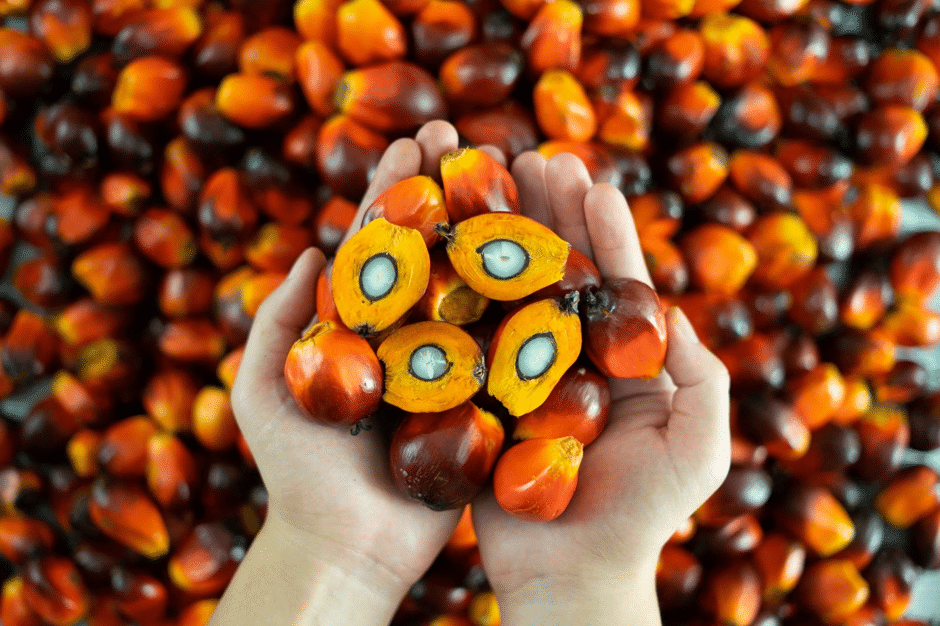
Natural fatty alcohols are straight chain primary alcohols derived from natural fats and oils like palm, palm kernel and coconut oils. Rather than drying the skin, they are widely used as functional ingredients across Home and Personal Care applications, including detergents, shampoos, body washes, conditioners, creams, lotions, and industrial formulations. This article explains what fatty alcohols are, how different carbon chain lengths determine their applications.
What Are Fatty Alcohols?
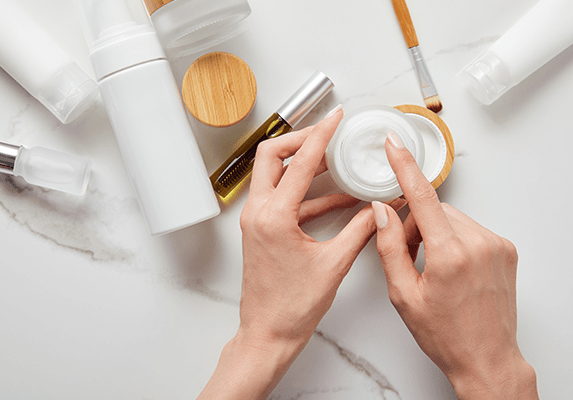
Fatty alcohols are produced from fatty acids or fatty acid methyl esters through a chemical reduction process. In palm-based chemistry, these fatty acids are derived primarily from crude palm oil, crude palm kernel oil (CPKO), or coconut oil
Unlike short-chain alcohols such as ethanol, fatty alcohols are not volatile, fast-evaporating solvents. They are waxy, oil-compatible materials that provide structure, stability, texture, and functional performance in a wide range of formulations.
The performance of a fatty alcohol depends on its carbon chain length. Shorter-chain fatty alcohols tend to be more fluid and are often used in specialty chemical applications. Mid-cut fatty alcohols are important feedstocks for surfactants used in Home and Personal Care products. Longer-chain fatty alcohols are waxier and are commonly used in creams, lotions, conditioners, and other personal care formulations.
Palm-derived fatty alcohols typically occur in even-numbered carbon chains, such as C8, C10, C12, C14, C16, and C18. These different chain lengths are separated into commercial cuts, each with distinct performance characteristics and end-use applications.
Understanding Fatty Alcohol Cuts: From C8 to C18
Short-Chain Fatty Alcohols: C8–C10
The C8–C10 fraction represents the shorter-chain range of palm-derived fatty alcohols and represent around 7-10 % of the supply. These materials are generally more fluid than longer-chain alcohols and are valued in specialty applications where solubility, reactivity, and chemical functionality are important.
Typical applications include:
· Fragrance and perfumery intermediates
· Specialty esters
· Solvents and functional chemical intermediates
· Feedstocks for selected surfactant chemistries
While C8–C10 alcohols are not the largest volume category, they play a key role in specialty oleochemical applications where performance and purity are key.
Mid-Cut and Broad-Cut Fatty Alcohols: C12–C14, C12–C16, and C12–C18
Fatty alcohols play their biggest role in the Home and Personal Care industry: not as final skincare ingredients, but as essential oleochemical intermediates that help enable the performance of cleaning, cleansing, and personal care products.
The largest portion of fatty alcohols- about 50% of the palm is supply is the mid-cut and broad-cut range, including C12–C14, C12–C16, and C12–C18. These grades are not primarily used in skincare creams or lotions. Instead, they are more widely used in Home and Personal Care applications, particularly as building blocks for surfactants.
C12–C14, C12-C16 , C1218 fatty alcohols are key feedstocks to produce surfactants used in detergents, shampoos, dishwashing liquids, laundry products, and household cleaning formulations.
These fatty alcohols are commonly converted into surfactant derivatives such as:
· Alcohol sulfates
· Alcohol ether sulfates
· Alcohol ethoxylates
These surfactants used in cleaning and personal wash products. C12–C16 and C12–C18 grades provide broader carbon chain distributions, allowing formulators to adjust properties such as foam profile, detergency, mildness, viscosity, and compatibility with other formulation ingredients.
Musim Mas supplies all these fatty alcohols and required blends to support these applications, with scale, consistency, traceability, and supply reliability being important differentiators in a standardized global market.
Long-Chain Fatty Alcohols: C16–C18
The C16–C18 range is most relevant to skincare, hair care, and cosmetic formulations. Cetyl Alcohol (C16), Stearyl Alcohol (C18), and Cetostearyl Alcohol, also known as Cetearyl Alcohol, are waxy solids that help build texture, stabilize emulsions, and improve the sensory feel of finished products.
Unlike drying alcohols, these long-chain fatty alcohols are valued for their emollient and structuring properties. They are commonly found in moisturizers, body lotions, creams, conditioners, hair masks, baby care products, and other personal care formulations.
In skincare, the discussion should therefore focus specifically on Cetyl Alcohol, Stearyl Alcohol, and Cetostearyl Alcohol, as these are the fatty alcohols most directly associated with skin feel, moisturization, viscosity, and emulsion stability.
Fatty Alcohols Uses in Skincare
Cetyl Alcohol
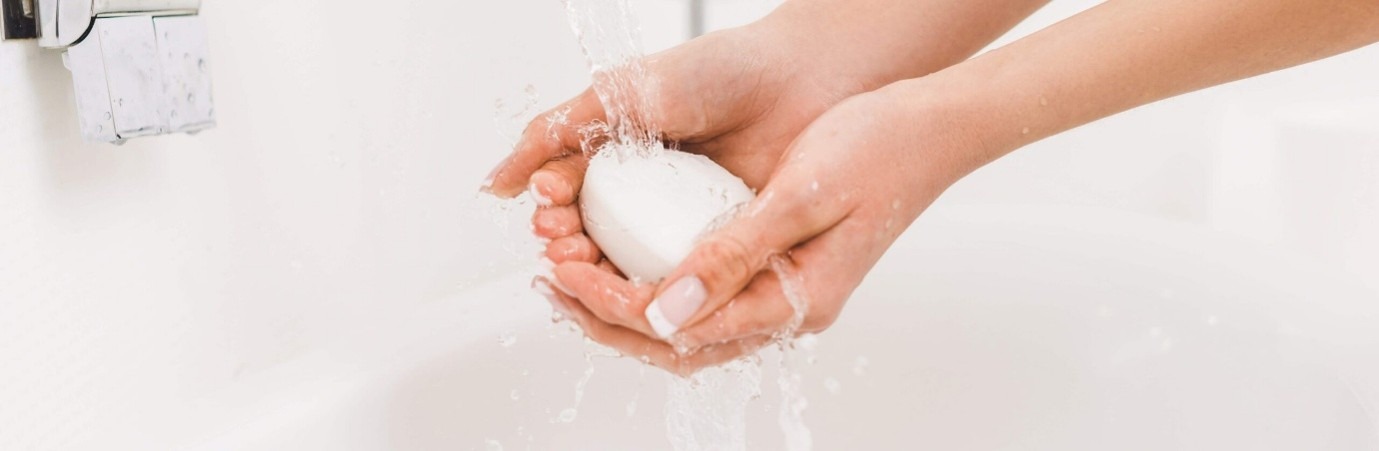
Cetyl Alcohol is a C16 fatty alcohol widely used in creams, lotions, conditioners, and other personal care products. It is a white, waxy solid that helps improve texture, spreadability, and skin feel.
In formulations, Cetyl Alcohol functions as:
· An emollient, helping skin feel softer and smoother
· A co-emulsifier, supporting the stability of oil-and-water systems
· A thickener, contributing body and viscosity to creams and lotions
· A sensory modifier, improving glide and reducing greasiness
Cetyl Alcohol is especially valued in moisturizers and hair conditioners because it provides a smooth, conditioned feel without the drying effect associated with short-chain alcohols.
Stearyl Alcohol
Stearyl Alcohol is a C18 fatty alcohol with a heavier, waxier profile than Cetyl Alcohol. It is commonly used where formulators need additional structure, richness, and viscosity.
In personal care products, Stearyl Alcohol helps:
· Thicken creams, lotions, and conditioners
· Stabilize emulsions
· Improve product consistency
· Provide a richer, more substantial skin or hair feel
In hair care, Stearyl Alcohol contributes to conditioning performance by improving texture and helping reduce the rough feel of hair fibres. In skincare, it supports the development of stable, rich formulations such as body creams, hand creams, and ointment-style products.
Cetostearyl Alcohol / Cetearyl Alcohol
Cetostearyl Alcohol, also commonly referred to as Cetearyl Alcohol are blends of Cetyl Alcohol and Stearyl Alcohol in different ratios like the 30:70, 50:50 and the 70:30 These are one of the most versatile fatty alcohol ingredients used in personal care formulations.
Because it combines the properties of both C16 and C18 fatty alcohols, Cetostearyl Alcohol provides a balanced performance profile. It can function as an emollient, thickener, stabilizer, and texture enhancer.
This makes it especially useful in moisturizers, conditioners, body lotions, creams, and baby care products. Its ability to improve both stability and sensory performance explains why it is widely used across personal care formulations.
Choosing the Right Fatty Alcohol for the Right Application
The key to understanding fatty alcohols is recognizing that different chain lengths serve different purposes.
C8–C10 fatty alcohols are used in specialty chemical applications. C12–C14, C12–C16, and C12–C18 fatty alcohols form the largest commercial category and are mainly used as feedstocks for surfactants in Home and Personal Care products. C16–C18 fatty alcohols, particularly Cetyl Alcohol, Stearyl Alcohol, and Cetostearyl Alcohol, are most relevant to skincare, hair care, and cosmetic formulations.
Thus, fatty alcohols help provide a flexible oleochemical platform that supports a wide range of industries, from household cleaning and personal wash products to moisturizers, conditioners, and industrial applications.
At Musim Mas, fatty alcohols are produced under the MASCOL™ trademark. Our product range covers the C8–C18 spectrum, supporting customers across Home and Personal Care, industrial, and specialty applications. With integrated palm-based feedstocks, global supply capabilities, and a commitment to responsible sourcing, Musim Mas provides traceable, high-purity fatty alcohols that meet the performance and reliability needs of modern formulations.
Frequently Asked Questions
What are fatty alcohols used for?
Fatty alcohols are used as surfactant feedstocks, emollients, thickeners, stabilizers, and chemical intermediates. Mid-cut fatty alcohols such as C12–C14, C12–C16, and C12–C18 are widely used in Home and Personal Care surfactants, while C16–C18 fatty alcohols are commonly used in skincare, hair care, and cosmetic formulations.
Are fatty alcohols bad for your skin?
No. Fatty alcohols such as Cetyl Alcohol, Stearyl Alcohol, and Cetostearyl Alcohol are not the same as drying alcohols such as ethanol. They are commonly used in skincare and hair care products to improve texture, stability, softness, and conditioning.
What is the difference between fatty alcohol and ethanol?
Ethanol is a short-chain alcohol that is volatile and can have a drying effect on skin. Fatty alcohols are long-chain, waxy materials derived from fats and oils. They are used for emolliency, thickening, stabilization, and as surfactant feedstocks.
Which fatty alcohols are used in skincare?
The key fatty alcohols used in skincare are Cetyl Alcohol, Stearyl Alcohol, and Cetostearyl Alcohol, also known as Cetearyl Alcohol. These are mainly C16–C18 fatty alcohols and are valued for their emollient, thickening, and stabilizing properties.
Are C12–C14 fatty alcohols used in skincare?
C12–C14 fatty alcohols are not primarily used as skincare emollients in creams or lotions. Their main role is as feedstock for surfactants used in Home and Personal Care products such as shampoos, body washes, detergents, and household cleaners.
Is Cetyl Alcohol good for skin?
Yes. Cetyl Alcohol is widely used in moisturizers, creams, lotions, and conditioners. It helps improve texture, spreadability, and skin feel, while supporting emulsion stability.
What is Cetostearyl Alcohol?
Cetostearyl Alcohol, also called Cetearyl Alcohol, is a blend of Cetyl Alcohol and Stearyl Alcohol. It is used in personal care formulations as an emollient, thickener, stabilizer, and co-emulsifier.