Soap noodles are the foundation of modern bar soap manufacturing. From personal care and beauty soaps to laundry bars and specialty cleansing products, manufacturers around the world rely on soap noodles as a consistent and efficient soap base for production.
For companies sourcing soap-making raw materials, understanding how soap noodles are produced is more than a matter of chemistry. The manufacturing process influences product quality, formulation flexibility, production efficiency, and ultimately the performance of the finished soap.
Commercial soap noodles are typically produced through two primary processes: saponification and neutralization. While both methods produce soap, they differ in their feedstocks, manufacturing approach, and resulting product characteristics.
Key takeaways
- Soap noodles are a semi-finished soap base, supplied as pellets or cylinder-shaped granules. Soap makers blend in fragrances, colorants, moisturizers and other additives to make finished bars, so they don’t need to run upstream soap production themselves.
- There are two production routes: saponification and neutralization. Both react a fat source with an alkali, typically sodium hydroxide. They differ in feedstock, co-product and how much control they give over the final soap.
- Saponification starts with whole oils and fats. Triglycerides in palm oil, palm kernel oil, coconut oil, tallow or vegetable oil blends react with alkali to produce soap and glycerine. This route gives more flexibility in feedstock choice and suits specialty and small-batch production.
- Neutralization starts with purified fatty acids. Oils are first split into fatty acids and refined. Those acids are then neutralized with alkali to produce soap and water. Because the fatty acid profile is set before soap is made, this route gives tighter batch-to-batch consistency, which is why it’s commonly preferred for large-scale soap noodle production.
- Palm feedstocks balance hardness and lather. Palmitic acid from palm oil adds hardness and durability. Lauric and myristic acids from palm kernel oil add foaming and cleansing power.
- Choose on specification, not price alone. Check the oil blend or fatty acid composition, TFM, moisture and glycerine limits, hardness, foaming, appearance, line compatibility, supply reliability and any certification requirements, such as RSPO. Toilet soaps usually prioritize mildness and appearance. Laundry bars prioritize cleansing power and cost.
- Musim Mas makes soap noodles through both routes. Fatty acid route grades cover high foaming, standard/toilet, multipurpose and translucent bars. Oil route grades include standard, specialty, syndet, high glycerine and laundry. Send a product enquiry to match a grade to your application.
What Are Soap Noodles?
Soap noodles are semi-finished soap materials supplied in the form of pellets or cylinder-shaped granules. They serve as a ready-made base that manufacturers can further process into finished soap bars by blending in fragrances, colorants, moisturizers, botanicals, and other functional ingredients.
Because the soap-making stage has already been completed, soap manufacturers can focus on product development, branding, and finishing processes rather than investing in complex upstream soap production operations.
Today, soap noodles are widely used in the production of:
- Toilet soaps
- Beauty soaps
- Laundry soaps
- Antibacterial soaps
- Hotel soaps
- Specialty cleansing bars
The use of soap noodles helps manufacturers achieve greater consistency, streamline production, and reduce processing complexity.
How Are Soap Noodles Made?
At a high level, soap noodles are produced by converting oils, fats, or fatty acids into soap through a chemical reaction with an alkali, typically sodium hydroxide.
There are two common routes to producing soap noodles:
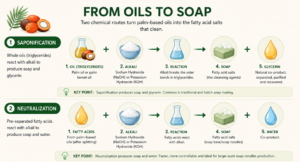
- Saponification – the traditional process using oils and fats.
- Neutralization – a more controlled process using purified fatty acids.
Both methods ultimately produce soap, but the choice of process can affect manufacturing efficiency, formulation control, and the characteristics of the finished soap noodles.
Saponification vs. Neutralization
Understanding the differences between these two manufacturing processes helps explain why different types of soap noodles are available in the market.
What Is Saponification?
Saponification is the traditional soap-making process in which oils or fats react directly with sodium hydroxide to produce soap and glycerine.
Oil or Fat + Alkali → Soap + Glycerin
During the reaction, triglycerides found in oils and fats are broken down into soap salts, while glycerine is generated as a natural by-product.
Common feedstocks used in saponification include:
- Palm oil
- Palm kernel oil
- Coconut oil
- Tallow
- Various vegetable oil blends
Because the process starts with whole oils and fats, manufacturers can use different feedstock combinations to achieve specific soap properties.
Advantages of Saponification
- Allows flexibility in feedstock selection
- Supports both small-batch and large-scale production
- Facilitates product customization for specific market needs
- Suitable for niche and specialty soap production.
What Is Neutralization?
Neutralization is an industrial soap manufacturing process that uses purified fatty acids as the primary raw material.
Instead of reacting oils or fats directly with alkali, fatty acids are first produced and refined. These fatty acids are then neutralized with sodium hydroxide to form soap.
Fatty Acid + Alkali → Soap + Water
This approach provides greater control over the final soap composition because the fatty acid profile can be carefully adjusted before soap production begins.
Advantages of Neutralization
- High batch-to-batch consistency
- Reliable and greater quality and formulation precision
- Improved manufacturing efficiency
- Efficient large-scale soap noodle production
For these reasons, neutralization is commonly used in the production of high-quality commercial soap noodles.
Key Differences Between Saponification and Neutralization
While both processes produce soap, they offer different benefits depending on manufacturing objectives.
Saponification begins with oils and fats and naturally produces glycerine as a by-product. It is often associated with traditional soap manufacturing and offers flexibility in feedstock selection.
Neutralization begins with purified fatty acids and provides manufacturers with tighter control over product quality, consistency, and performance characteristics. This makes it particularly attractive for large-scale soap noodle manufacturing where consistency is critical.
Why Manufacturers Prefer Fatty Acid-based Soap Noodles
The widespread adoption of fatty acid-based soap noodles is largely driven by their ability to deliver highly stable and consistent quality.
Produced through the neutralization process, fatty acid-based soap noodles provide a standardized soap base with uniform physical and chemical properties. This high degree of stability enables better process control, predictable manufacturing performance, and consistent product quality across production batches.
Their excellent batch-to-batch uniformity helps minimize process variability, improve operational efficiency, and ensure finished products consistently meet specification requirements. This is particularly important in large-scale manufacturing, where even minor variations in raw materials can affect processing efficiency, product appearance, and product performance.
Fatty acid-based soap noodles also exhibit outstanding processing stability, allowing manufacturers to achieve target product attributes with greater precision and consistency. As a result, they are widely used in beauty soaps, antibacterial bars, and other specialty cleansing products where quality consistency, manufacturing reliability, and production efficiency are essential.
The Role of Palm-Based Feedstocks in Soap Noodle Production
Palm-derived feedstocks remain among the most widely used raw materials in the global soap industry due to their excellent balance of performance, availability, and cost-effectiveness.
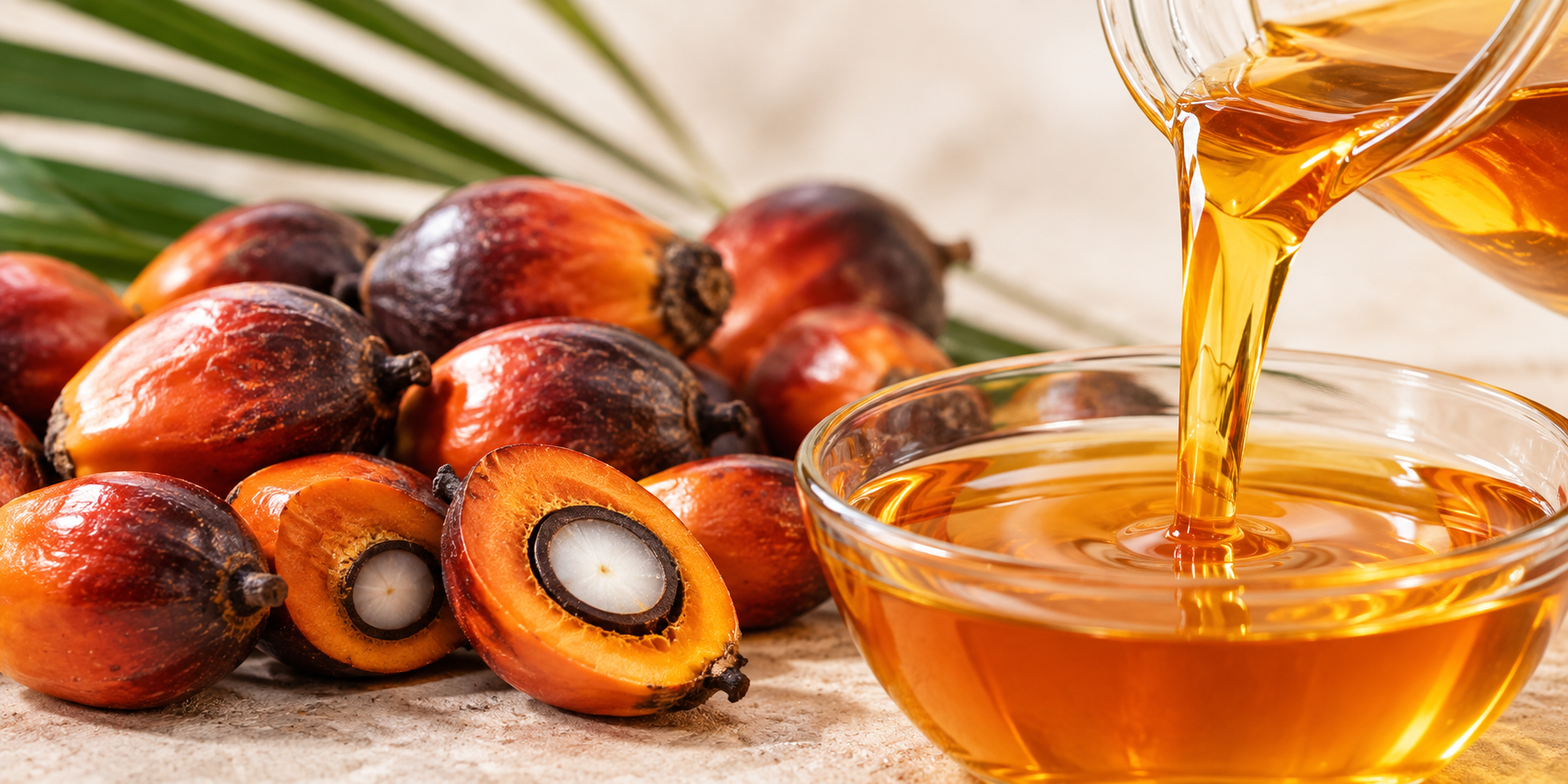
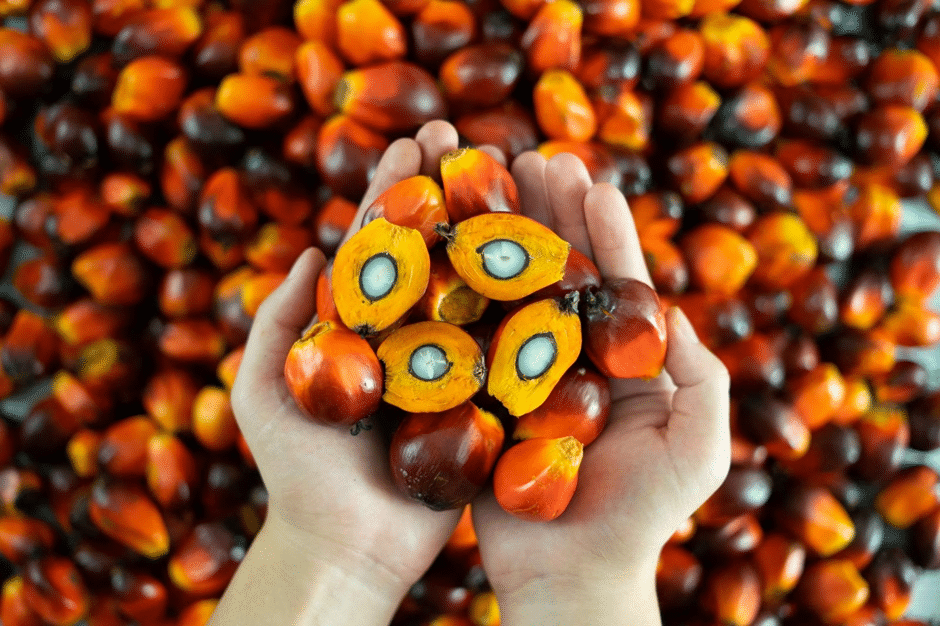
Palm oil contributes hardness and durability through its high palmitic acid content, while palm kernel oil provides excellent foaming and cleansing properties through lauric and myristic acids. Together, they create an effective balance that makes palm-derived materials particularly suitable for soap noodle production.
Beyond performance characteristics, availability is another key advantage. Palm is one of the world’s most productive oil crops, supplying large volumes of feedstock through a well-established global supply chain. This reliable availability helps manufacturers secure consistent raw material supply while supporting large-scale production requirements.
Sustainability and RSPO-Certified Sourcing
As sustainability becomes increasingly important across consumer goods industries, manufacturers are paying greater attention to the origin of their raw materials.
Palm-based feedstocks can support both performance and sustainability objectives when sourced responsibly. Many manufacturers today prefer RSPO-certified raw materials to help support sustainable palm oil production practices while maintaining the quality and reliability required for industrial soap manufacturing.
Responsible sourcing initiatives not only help address sustainability goals but also support supply chain transparency and growing customer expectations regarding environmental stewardship.
As a result, sustainably sourced palm-derived soap noodles continue to play an important role in the global soap industry.
Choosing the Right Soap Noodles for Your Application
Selecting the right soap noodles requires consideration of several factors beyond cost alone.
Manufacturers should evaluate:
- Oil blend ratio or Fatty acid composition
- Product specification (eg: TFM, moisture and glycerine limit)
- Performance requirements (eg: hardness, foaming characteristics and bar durability)
- Product appearance
- Manufacturing compatibility
- Sustainability objectives and certifications requirement
- Supply reliability and availability
Different soap applications often require different noodle specifications. For example, toilet soaps may prioritize mildness and aesthetics, while laundry soaps may focus on cleansing efficiency and cost optimization.
Working with an experienced soap noodle supplier can help manufacturers identify the most suitable formulation based on their production requirements and market positioning.

Find the Right Soap Noodle Grade for Your Production
Conclusion
Soap noodles have become an essential building block of modern soap manufacturing, enabling producers to achieve consistent quality, efficient production, and flexible product development.
Whether produced through traditional saponification or modern neutralization processes, the quality of the soap noodle base plays a critical role in the performance of the finished soap. Understanding the differences between these manufacturing methods allows producers to make better sourcing and formulation decisions.
As demand continues to grow for high-performance, sustainable, and reliable soap products, manufacturers increasingly look for soap noodle solutions that combine product consistency, secure supply, and responsibly sourced feedstocks.
By choosing the right soap noodle formulation and working with a trusted supplier, soap manufacturers can meet evolving market expectations while maintaining production efficiency and product quality.
Partner with Musim Mas Today