A Story of an Independent Smallholder Supported by Musim Mas
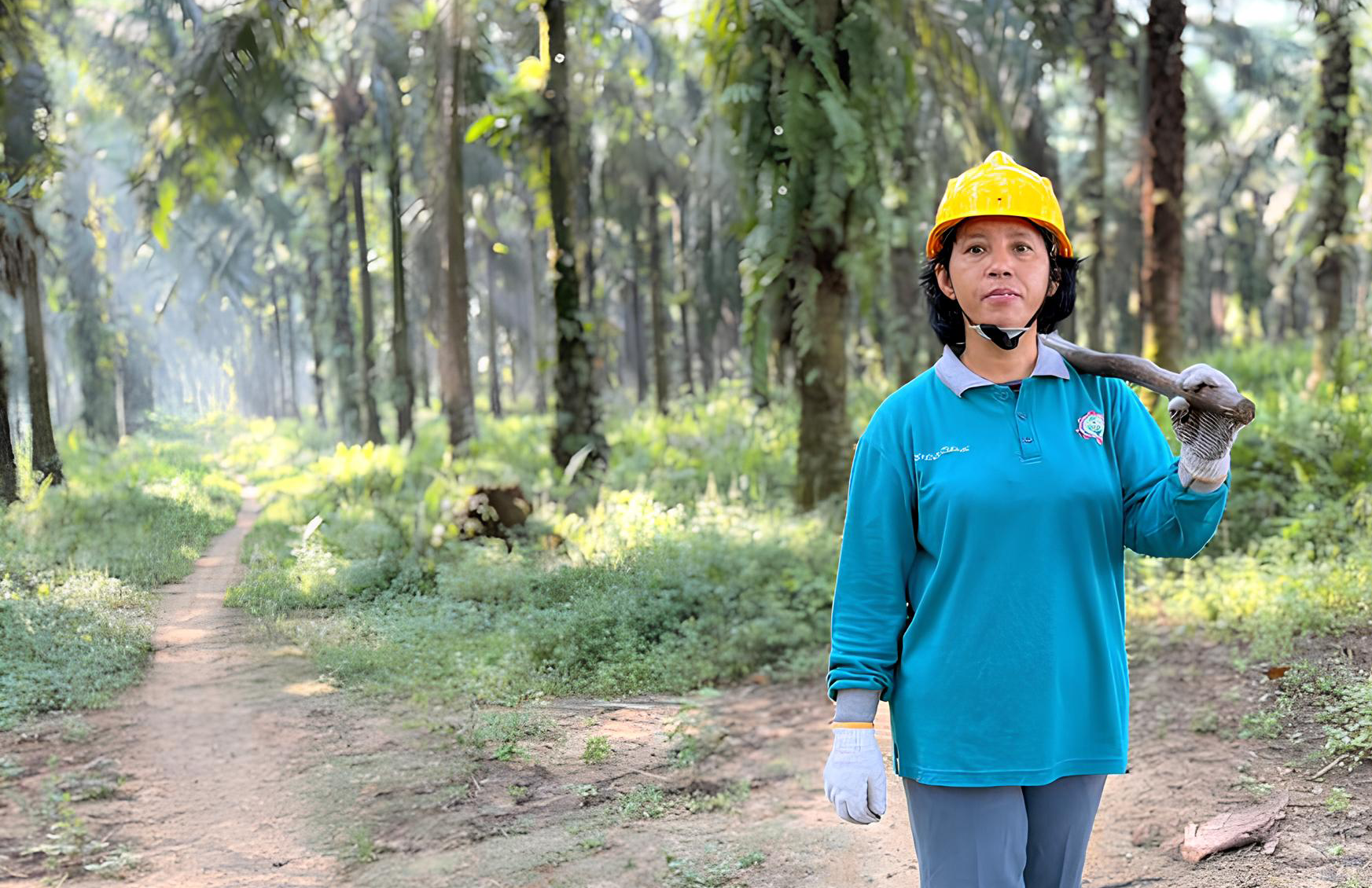
Behind the vast stretches of oil palm plantations in Bangko Balam Village, Rokan Hilir, Riau, lies a story of perseverance, courage, and a lifelong learning journey. This story comes from Roslina Br. Tampubolon (48), affectionately known as Ibu Ros, a woman smallholder who proves that change can begin within oneself, then expand to family and community.
Ibu Ros has been farming since 2008. Born into a farming family, she continued managing her husband’s family plantation. However, her journey was not without challenges. In 2017, when her husband and child fell ill, she had to take on the role of the family’s primary breadwinner. Despite the circumstances, she continued managing the plantation while ensuring her family’s needs were met.
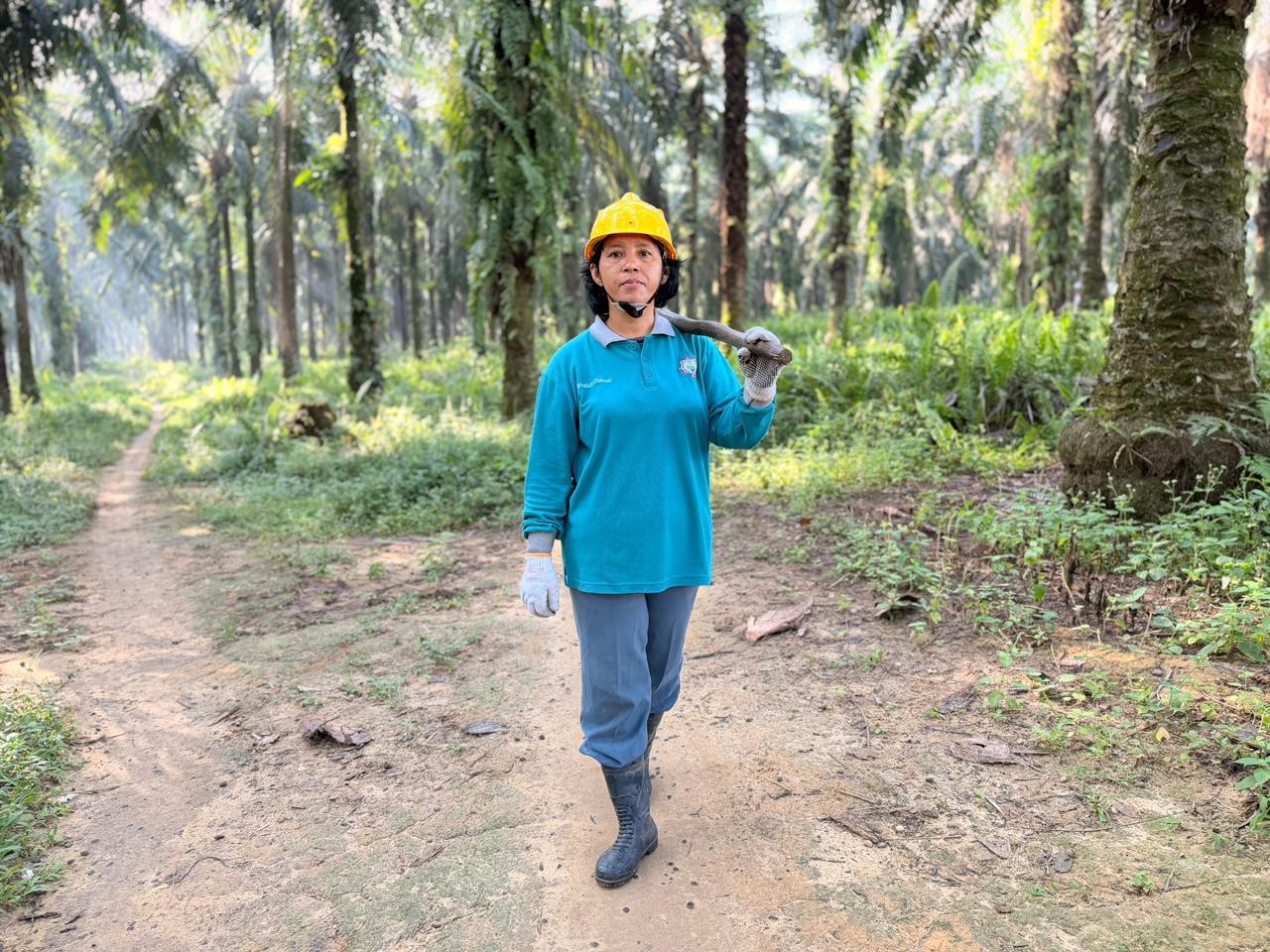
Roslina Br. Tampubolon is one of the women smallholders supported by Musim Mas. Her story demonstrates that when women are given access to knowledge, opportunities, and support, they can not only develop their own potential but also strengthen household economies, make more confident decisions, and contribute to community progress.
Ibu Ros’s Journey in Learning Sustainable Plantation Management
When she first managed the family’s oil palm plantation, Ibu Ros relied on her prior experience with rice fields and subsistence crops. She believed that healthy plants were indicated by green leaves and that the best way to achieve this was by applying as much fertilizer as possible. However, the results were disappointing. From 8 hectares of land, her yield was only around 375 kg per hectare per month, far from optimal.
She began to realize that something needed to change, even though she did not yet fully understand what.
A turning point came in 2019, when she was introduced to the Musim Mas Independent Smallholder Empowerment Program. At first, she hesitated, especially when asked to provide land legality documents as part of the requirements. Yet, her curiosity kept growing.
She spent two months observing, asking questions, and learning about the program. After seeing a respected community elder participate, she decided to join through the Association of Independent Oil Palm Smallholders Negeri Seribu Kubah (APSKS-NSK), led by Mr. Kateni.
Through Good Agricultural Practices (GAP) training, Ibu Ros learned that success is not determined by how much input is applied but by how effectively it is managed. She learned proper fertilizer dosages, correct application techniques on weed-free circles, and the importance of consistent maintenance.
These changes brought tangible results. Her plantation productivity increased significantly.
“My plantation used to be unstable and often experienced yield declines. After applying proper practices, my yields became stable and increased up to five times. This improvement has significantly boosted my family’s income,” she said.
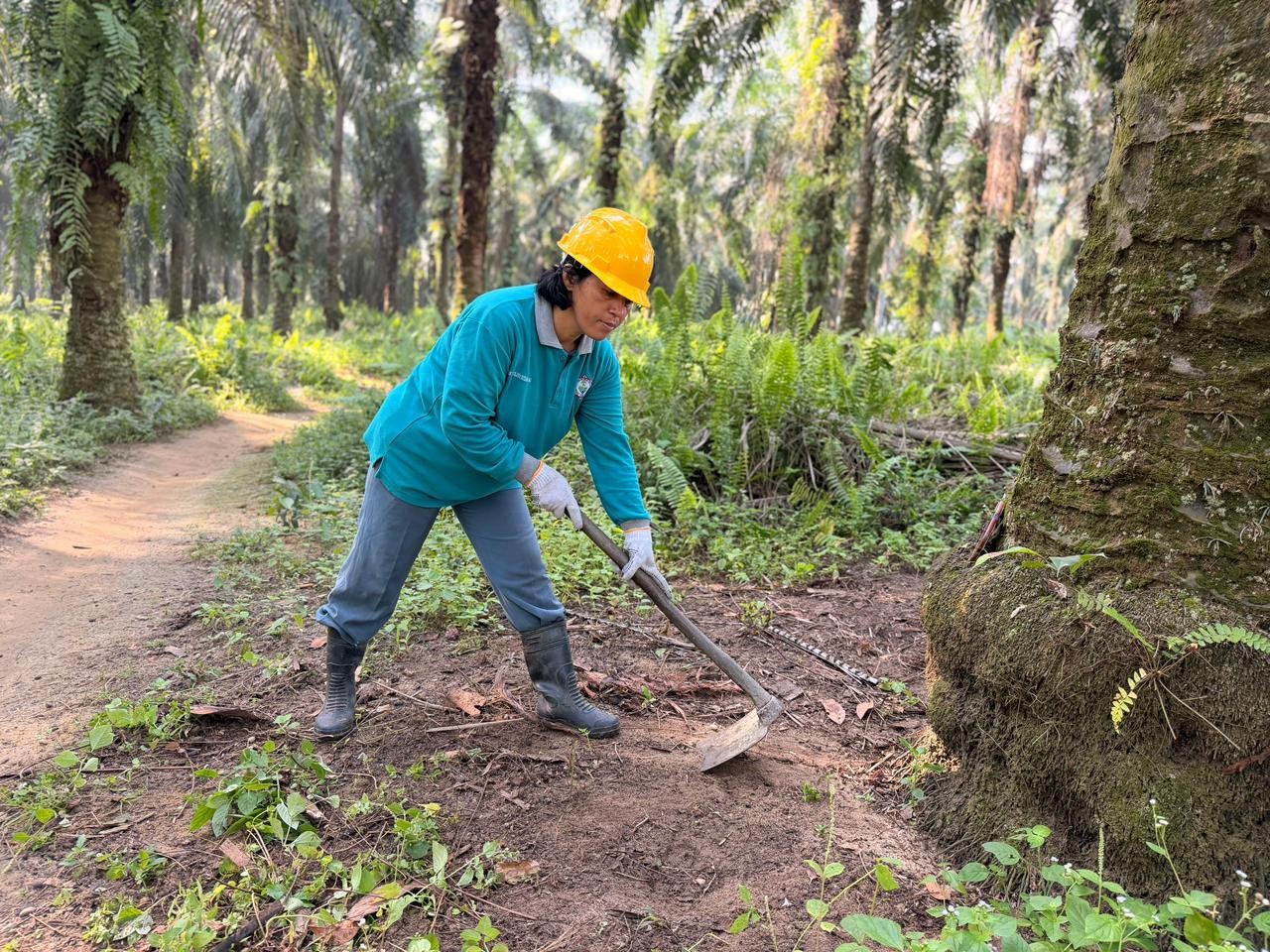
By implementing good agricultural practices, Ibu Ros successfully increased her plantation yields significantly, demonstrating that knowledge and perseverance can drive real change.
A New Space for Growth
As she regularly attended smallholder meetings organized by the program, Ibu Ros began to enjoy participating in community activities. She found value in the knowledge and experiences she gained, which encouraged her to take on broader roles.
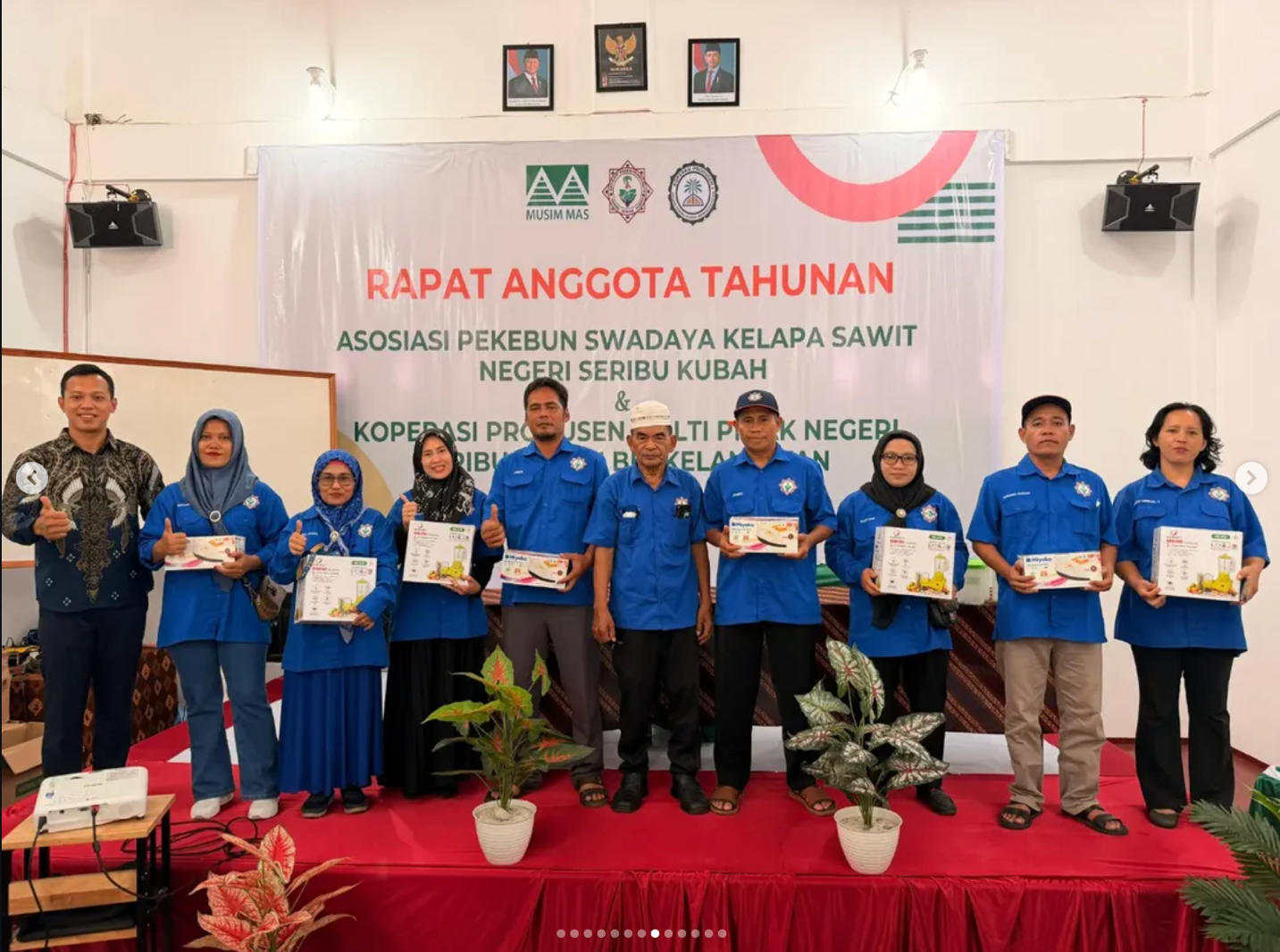
By consistently participating in all association activities, Ibu Ros found opportunities and space to continue growing.
Her journey took another step forward when Musim Mas introduced the Women Smallholders Program (WSP). She saw it as an opportunity to complement her progress, not only improving her plantation but also strengthening herself as an individual.
“I want to grow further, not only for my plantation but also for myself and my family,” she said.
The WSP provides training and mentoring for women smallholders and smallholders’ wives, focusing on strengthening social and economic capacities so they can contribute more significantly to their families, farms, and communities.
Creating Change for Family and Community
One of the first trainings Ibu Ros attended in the WSP focused on family health and nutrition. It became a moment of reflection. She realized that she had not paid enough attention to her family’s health and had never undergone personal health check-ups.
“If I get sick, who will take care of my family and the plantation?” she reflected.
This awareness led to real changes. She began regulating her family’s diet—reducing sugar, salt, and fat intake and adopting healthier cooking methods like boiling and steaming. She also started exercising regularly and encouraged her family to adopt a healthier lifestyle.
The transition was not easy. Her family initially resisted dietary changes, but she remained consistent.
Over time, the results became evident. Not only did she feel healthier, but her husband and child also experienced improvements. “I feel lighter and less fatigued since losing 18 kg. My emotions are more stable. My husband and child are also healthier. My husband used to frequently experience shortness of breath and needed hospital oxygen, but now it has significantly reduced.”
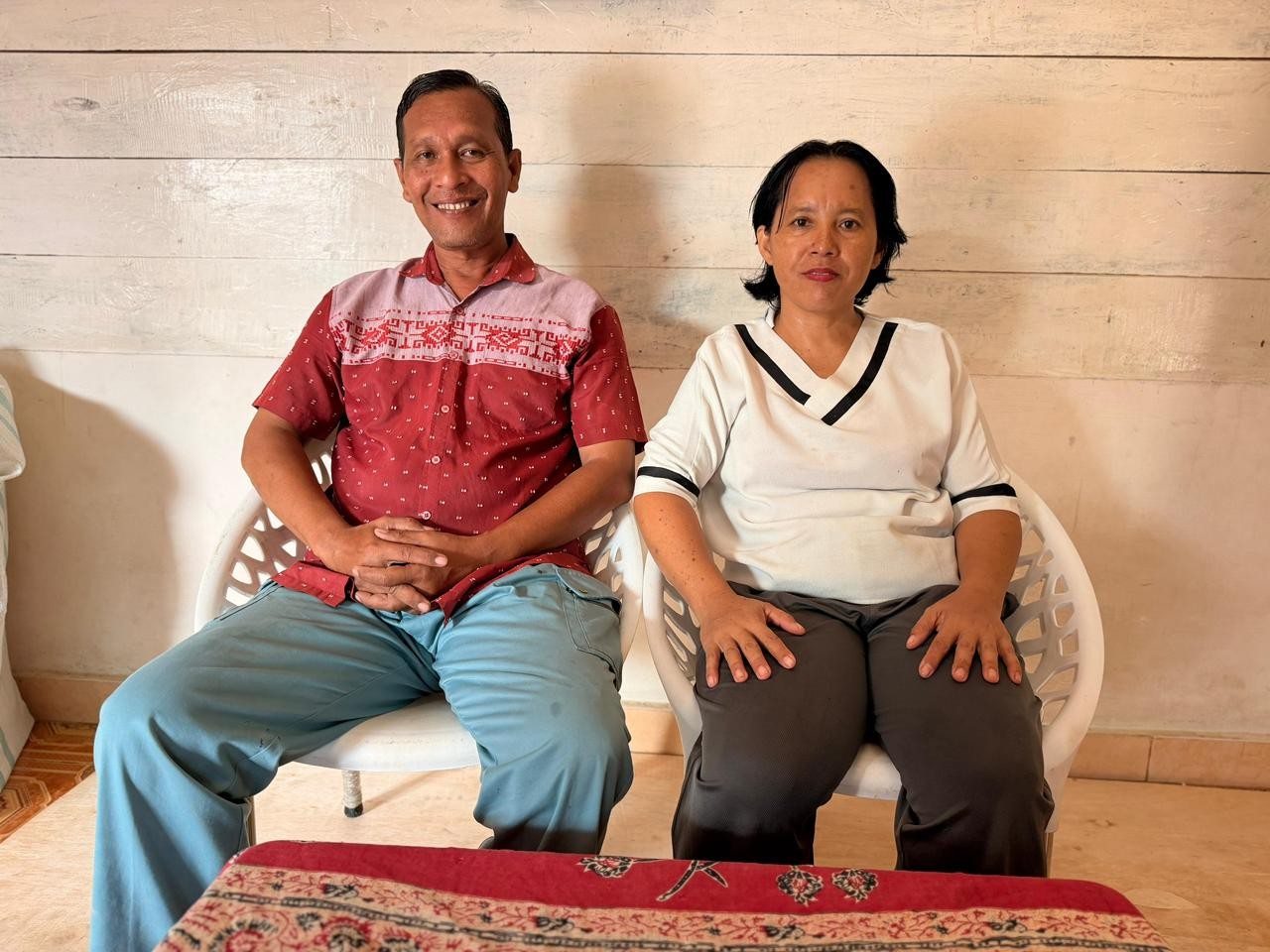
Ibu Ros and her husband now live healthier lives after changing their diet following their participation in the Women Smallholder Program training.
Motivated to extend the impact beyond her household, Ibu Ros joined the WSP Training of Trainers (ToT), equipping her to become a community trainer.
“I want my friends and neighbors to live healthier lives too. That’s why I’m excited to become a trainer,” she said.
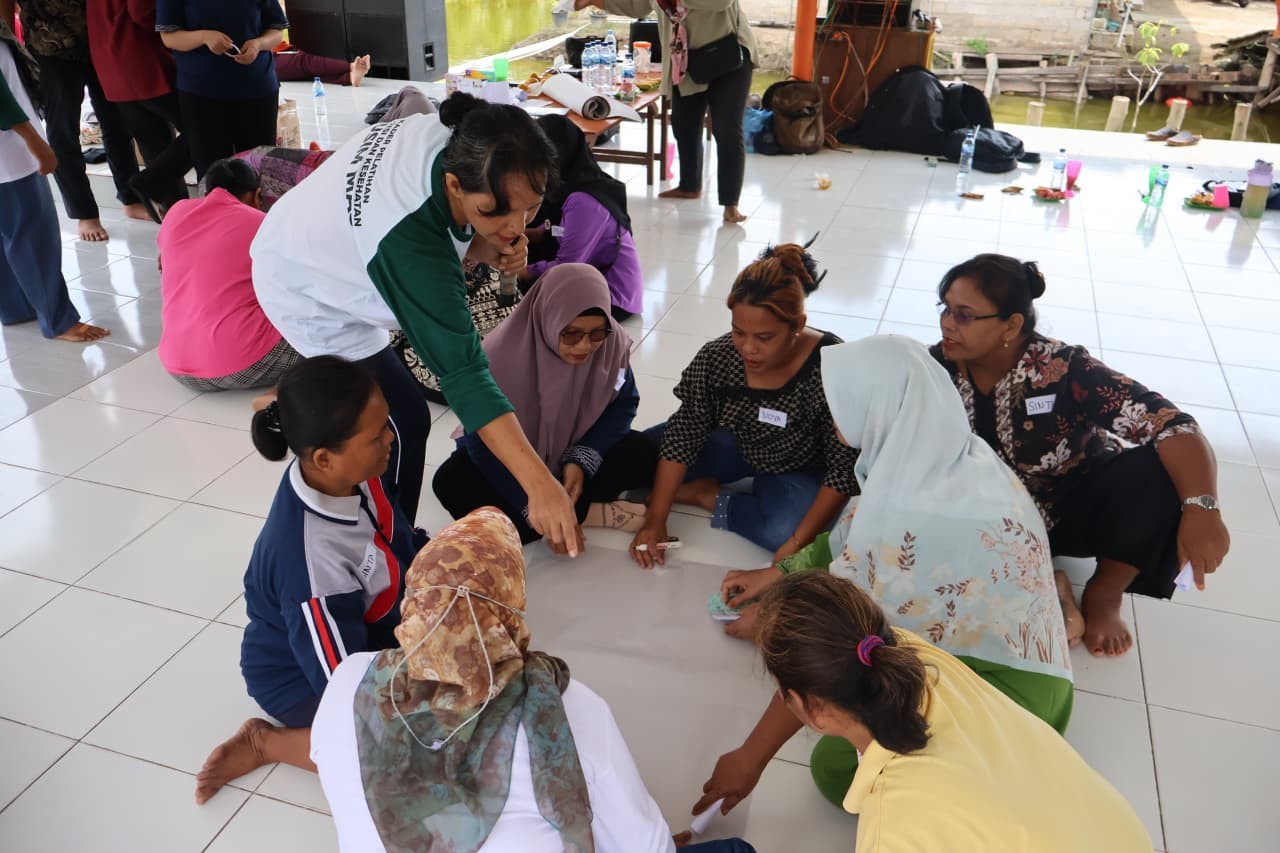
She now actively shares her knowledge with women in her village, becoming an agent of change in her community.
Strengthening Capacity for Sustainable Livelihoods
Beyond health, Ibu Ros continued developing her skills through financial literacy training and business mentoring. She learned the importance of financial planning and structured income management.
Through the WSP, participants were supported in establishing a small retail (sembako) business group. This initiative was guided by Ir. Diana Chalil from Universitas Sumatera Utara, focusing not only on profit but also on women’s capacity building, decision-making, problem-solving, and confidence in organizational roles.
For Ibu Ros, this became a significant milestone. The program provided both capital support and intensive mentoring.
“We faced many challenges when starting the business. We had to discuss problems and make decisions together. But the mentors helped us evaluate the risks and benefits of every decision.”
Their efforts paid off. Within one year, the business generated profits of up to IDR 70 million.
Family Remains the Priority
Despite her many roles, Ibu Ros continues to prioritize her family. She manages her time with discipline—starting her day by taking care of household needs before moving on to farm and organizational activities.
As her responsibilities grew, she hired nine workers from her local community to help manage the plantation. This not only supports operations but also creates employment opportunities for others.
For Ibu Ros, growth is not just personal; it is about creating value for those around her.
“From everything I do, I want my children to achieve the highest education possible. I also want to prove that women smallholders can grow and succeed,” she said.
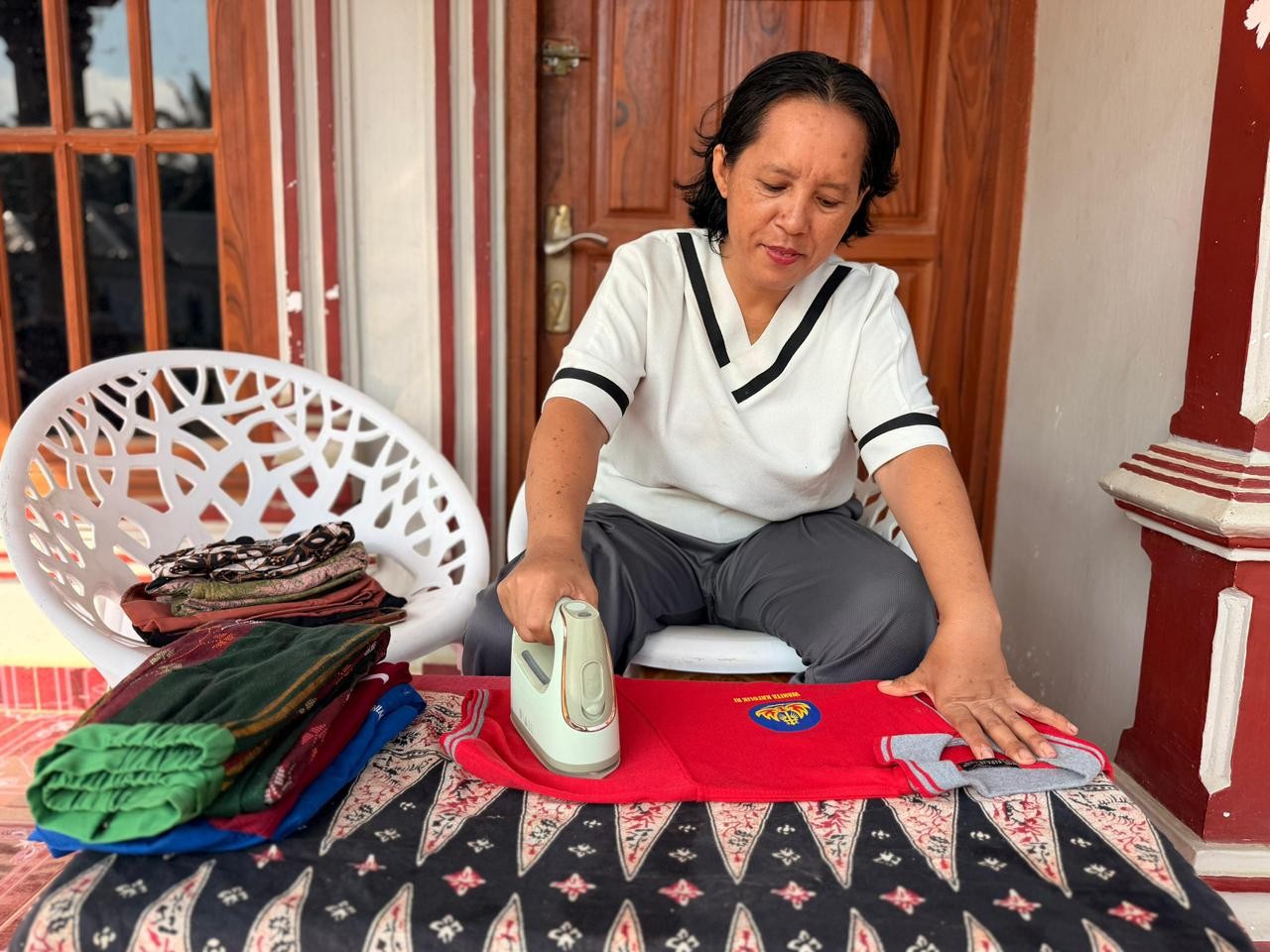
A Journey of Continuous Growth
Ibu Ros’s story shows that empowerment is an interconnected process. It begins with improving farming practices, expands into personal development, and ultimately impacts family and community.
Change does not happen overnight. It starts with the courage to learn, to try, and to keep moving forward despite challenges.
From a more productive plantation to a stronger community, her journey is a reminder: when women are given access, space, and opportunity, they can create meaningful and lasting change.