By: Chang Rui Jia
What Is Caprylic/Capric Acid? | Applications | Sustainable Formulations | MASESTER® MCT | Frequently Asked Questions (FAQ)
Consumers are increasingly demanding products shaped by health consciousness and environmental accountability.
Meanwhile, formulators across industries are seeking ingredients that deliver both efficacy and sustainability without compromise.
Caprylic and capric acid, a naturally derived blend of two medium-chain fatty acids extracted from renewable plant oils, has emerged as a preferred choice across personal care, nutrition, food safety, and industrial applications.
Lightweight, fast-absorbing, and inherently biodegradable, this versatile fatty acid blend offers a clean-label solution for brands seeking to meet modern performance and sustainability standards in a single ingredient.
What Is Caprylic and Capric Acid?
Caprylic/capric acid is a mixture of two saturated short-chain fatty acids (SCFAs): octanoic acid (C8) and decanoic acid (C10).
The two acids are closely related in structure, differing only by two carbon atoms in their alkyl chain, yet together they form a blend that is greater than the sum of its parts, combining C8’s rapid metabolic conversion with C10’s broader antimicrobial and antifungal efficacy.
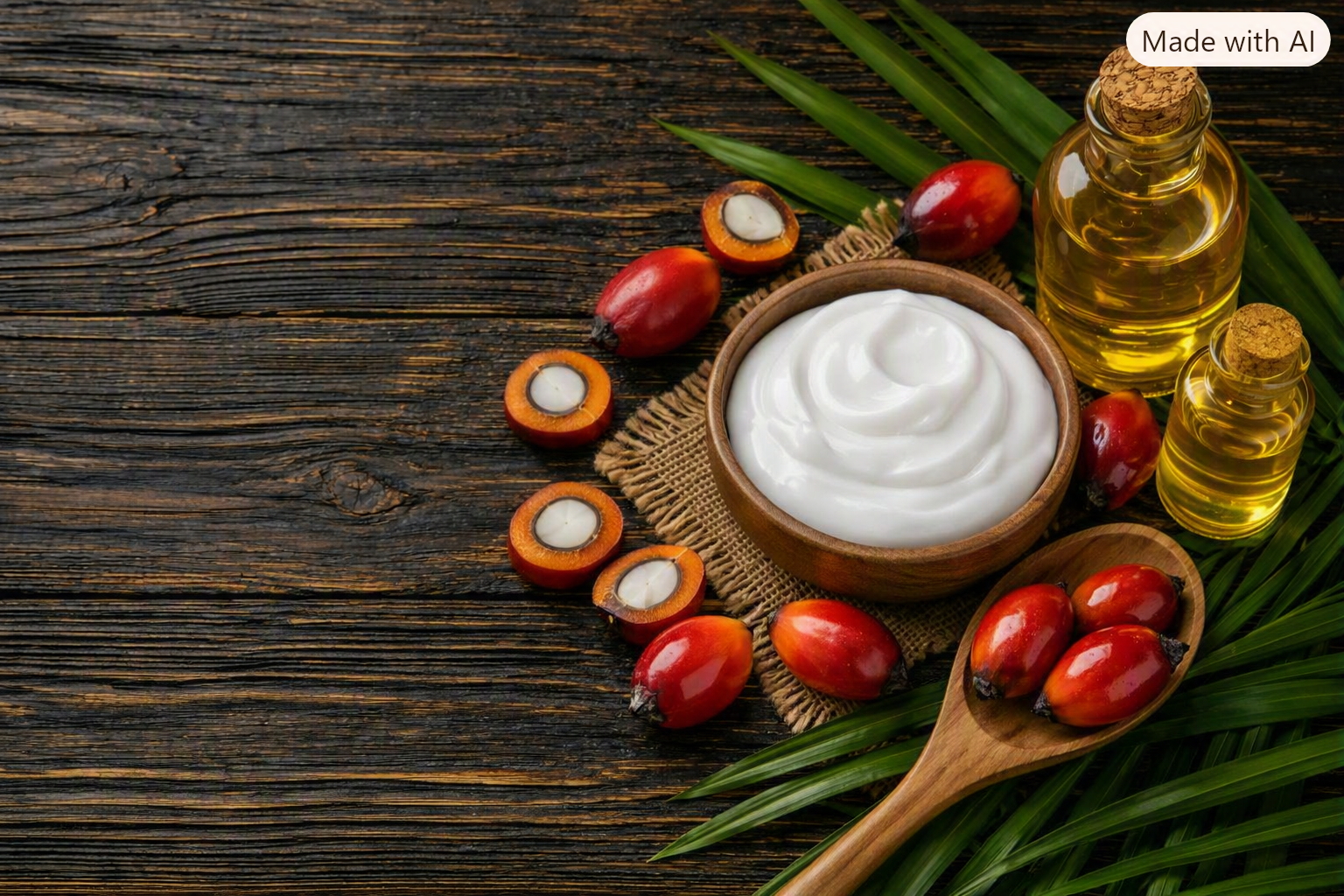
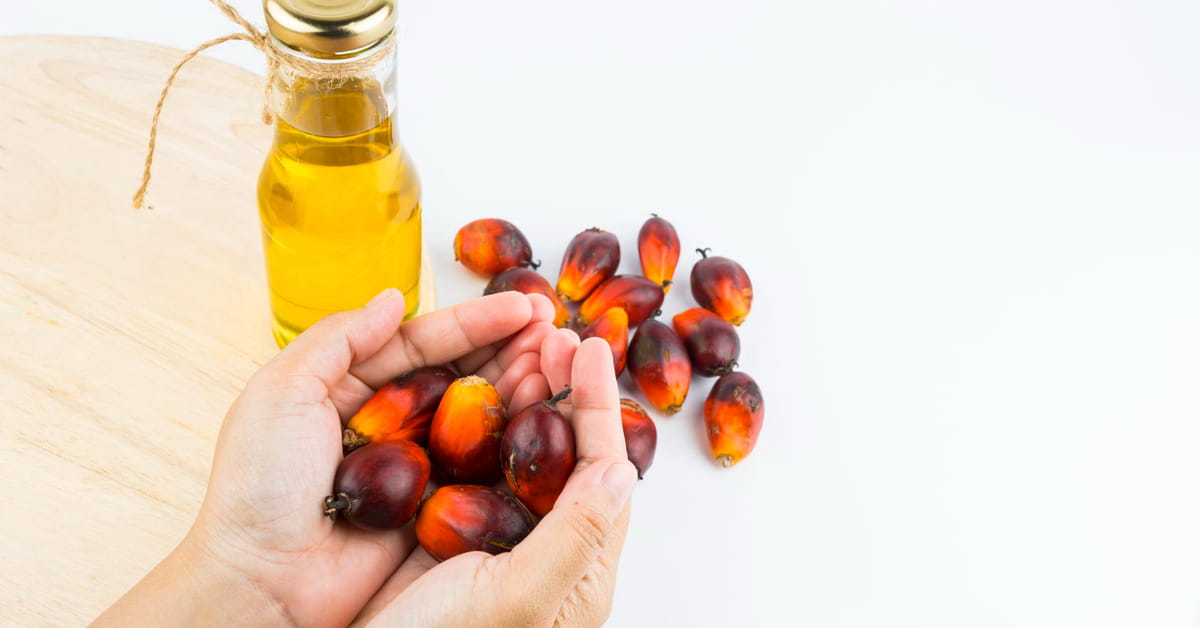
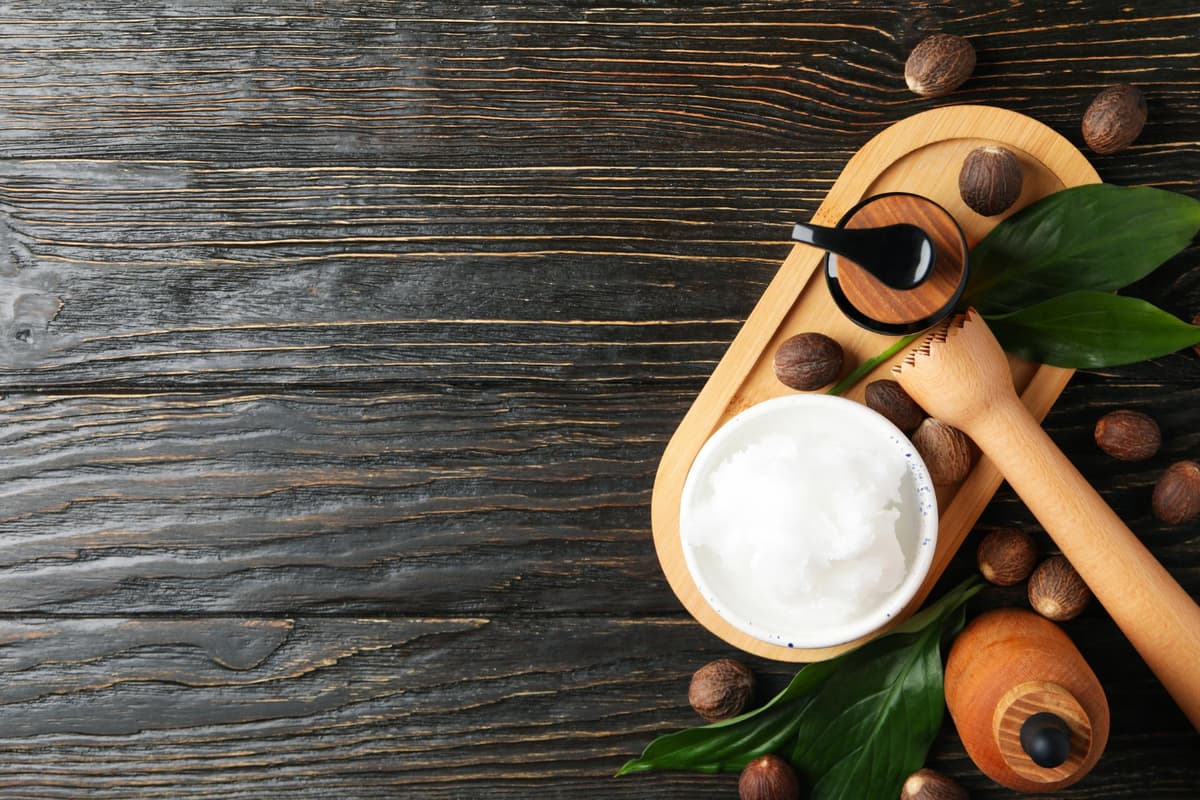
Naturally present in coconut oil and palm kernel oil, these fatty acids are isolated by fractional distillation, which separates them based on their distinct melting points and chain lengths.
Coconut oil typically yields between 5–10% caprylic acid and 5–8% capric acid, while palm kernel oil also has a similar composition.
The resulting C8/C10 blend is liquid at room temperature (with a melting point of approximately 7°C), colorless to pale yellow in appearance, and characteristically low in odor, making it highly suitable across a diverse range of formulations.
Like other SCFAs, caprylic/capric acid exhibits both hydrophilic and hydrophobic properties.
This amphiphilic character underpins its usefulness as an emollient, emulsifier, and antimicrobial agent, giving it multifunctional utility that few single ingredients can match.
Read More: Palm-Based Cooking Oil: Health Benefits, Uses, and How to Choose
Key Applications of Caprylic/Capric Acid
Thanks to its unique molecular structure and broad functional profile, caprylic and capric acid are used across several high-growth industries.
Personal Care and Cosmetics
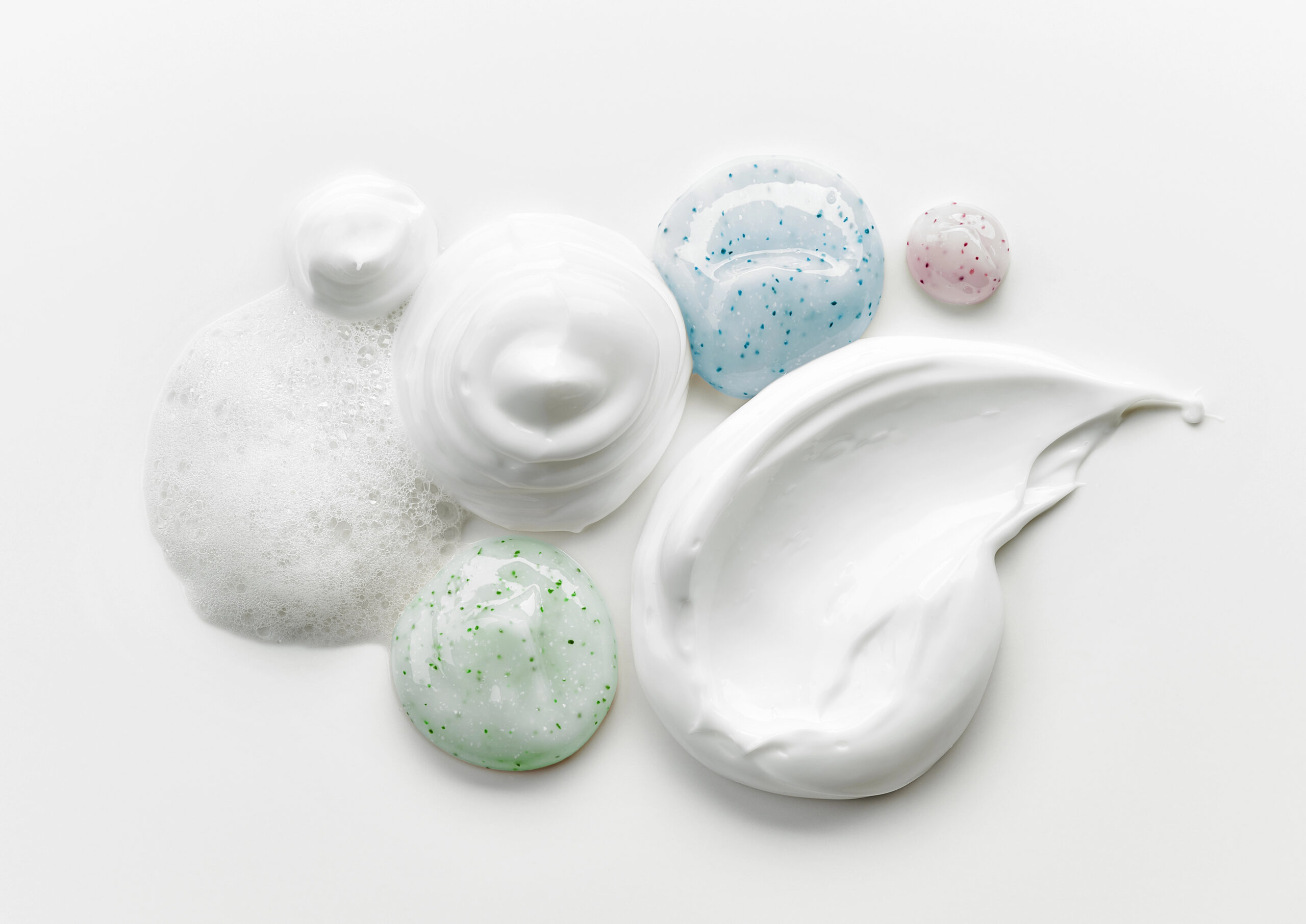
In the personal care industry, caprylic/capric acid has earned its reputation as a premium skin-compatible ingredient.
Its short-to-medium chain length allows it to penetrate the skin quickly without leaving a heavy or greasy residue, making it an ideal non-comedogenic emollient and moisturizer.
It is widely incorporated into formulations such as facial serums, body lotions, cleansers, sunscreens, and hair care products.
Beyond its skin-feel properties, caprylic and capric acid also function as effective solubilizers and carriers, helping stabilize active ingredients and improve their delivery into the skin.
Its naturally derived, clean-label origin and excellent compatibility with sensitive skin types make it suitable for both mass-market and dermatologist-recommended product lines.
It is equally favored in baby care and fragrance-free formulations where ingredient mildness is paramount.
Health, Nutrition, and Nutraceuticals
Caprylic and capric acid are two of the most widely studied components in the field of medium-chain triglycerides (MCTs).
Unlike long-chain fatty acids, C8 and C10 do not require bile salts or pancreatic enzymes for digestion.
Instead, they are transported directly to the liver via the portal vein, where they are rapidly converted into ketone bodies, providing a fast, efficient energy source for the brain and muscles.
This rapid metabolic pathway makes caprylic and capric acids valuable ingredients in energy supplements, MCT oils, sports nutrition products, and ketogenic diet formulations.
C8, in particular, is prized for its superior ketone production efficiency, while C10 contributes to more sustained energy release and supports digestive health by improving bile secretion and cholesterol metabolism.
Together, the C8 and C10 blend offers a well-rounded nutritional profile suited to health-conscious consumers, athletes, and clinical nutrition applications alike.
Antimicrobial and Food Safety Applications
One of the most scientifically substantiated properties of caprylic and capric acid is its broad-spectrum antimicrobial activity.
Both C8 and C10 are effective against bacteria, yeast, and fungi, acting by integrating into the lipid bilayer of pathogen cell membranes, increasing their permeability and compromising structural integrity.
This mechanism disrupts the internal environment of the organism, ultimately inhibiting or killing it.
Caprylic acid is used as a registered antimicrobial pesticide and food contact surface sanitizer in commercial food handling environments, including dairy equipment, food processing plants, breweries, and wineries.
It also serves as a disinfectant in healthcare facilities and as an algicide and fungicide in horticultural settings.
C10, meanwhile, has demonstrated particular efficacy against Candida albicans, making both acids relevant to gut health formulations targeting yeast overgrowth and microbial imbalance.
Industrial Applications
Beyond personal care and nutrition, caprylic and capric acids serve as valuable chemical intermediates in industrial manufacturing.
It is used in the synthesis of esters that are key components in perfumery and flavor formulations, where C8-derived esters contribute pleasing, fruity, and long-lasting scent profiles.
Caprylic acid is also used in the production of dyes and coatings, and functions as a solubilizer for mineral oils and a flotation aid in the oil and gas sector.
Derivatives of caprylic and capric acid include metallic soaps, amides, and specialty esters, which function to provide lubrication, corrosion inhibition, and surface treatment.
Their inherent biodegradability and renewable origin make them an environmentally preferable alternative to petroleum-derived counterparts.
Why Caprylic/Capric Acid Is Key to Sustainable Formulations
Caprylic and capric acid hold a compelling case for brands navigating the dual pressures of performance and sustainability.
Derived from renewable, non-GMO vegetable oil sources, the C8/C10 blend is inherently biodegradable, non-toxic, and non-corrosive.
It carries Generally Recognized as Safe (GRAS) status for use in both food and cosmetic applications, reflecting its strong safety profile across human-facing industries.
Its liquid state at room temperature simplifies handling and formulation processes, while its excellent oxidative stability ensures consistent shelf performance.
For brands committed to ESG goals and clean-label transparency, caprylic and capric acid offer a traceable, plant-based ingredient with wide regulatory acceptance, making it a future-ready choice as global standards around ingredient sustainability continue to tighten.
Read More: Palm Oil vs Other Oils: What Makes It Different?
Begin Your Sustainable Journey with Musim Mas’ Blends
Musim Mas’ MASESTER® MCT brand is a purpose-developed range of medium-chain triglycerides sourced directly from sustainable palm kernel oil and coconut oil.
Produced through a unique, catalyst-free manufacturing process, MASESTER® MCTs are typically odorless and tasteless, delivering the clean sensory profile demanded by food, beverage, nutraceutical, and personal care formulators.
Their flexibility allows brands to fine-tune their formulations for specific performance targets, whether that means maximizing ketone production efficiency, broadening antimicrobial coverage, or achieving the desired skin-feel profile.
MASESTER® MCTs comply with USP, BP, and EP pharmacopeial standards, and hold Kosher for Passover, Halal, and Project Verified Non-GMO certifications, ensuring suitability for a wide range of global markets and consumer segments.
With a presence in 14 countries and established supply networks serving the USA, China, India, the UAE, and Indonesia, Musim Mas delivers reliable, consistently high-quality MCT solutions wherever your business needs them.
Contact our team today to explore how the MASESTER® MCT range can power your next product innovation, naturally, responsibly, and efficiently.
Frequently Asked Questions (FAQ)
What are caprylic and capric acid, and where do they come from?
Caprylic/capric acid is a blend of two medium-chain fatty acids, octanoic acid (C8) and decanoic acid (C10), naturally derived from coconut oil and palm kernel oil through a fractional distillation process.
What is the difference between C8 and C10?
C8 is faster-metabolizing and more efficient at producing ketones for quick energy, while C10 offers a more sustained energy release and stronger anti-fungal properties. Together, they deliver a complementary range of functional benefits.
Is caprylic and capric acid safe to use?
Yes. It holds Generally Recognized as Safe (GRAS) status for food use and is widely accepted in cosmetic formulations. It is non-toxic, biodegradable, and well-tolerated across a broad range of applications.
What industries use caprylic/capric acid?
It is used across personal care, health and nutrition, food safety, and industrial manufacturing, functioning as an emollient, MCT supplement ingredient, antimicrobial sanitizer, and chemical intermediate, respectively.
What makes Musim Mas’ caprylic/capric acid sustainable?
Musim Mas’ MASESTER® MCT range is produced from sustainably sourced, non-GMO oils via a catalyst-free process, and is certified Halal, Kosher, and Non-GMO, making it a traceable, clean-label ingredient aligned with global ESG standards.