By: Chang Rui Jia
What is Trans Fat? | Where Are Trans Fats Found? | Health Risks of Trans Fats | Global Regulations on Trans Fats | Musim Mas’ Commitment to Trans Fat-Free Solutions | Why Palm Oil Plays a Role | Partnering for a Healthier Future
What Is Trans Fat?
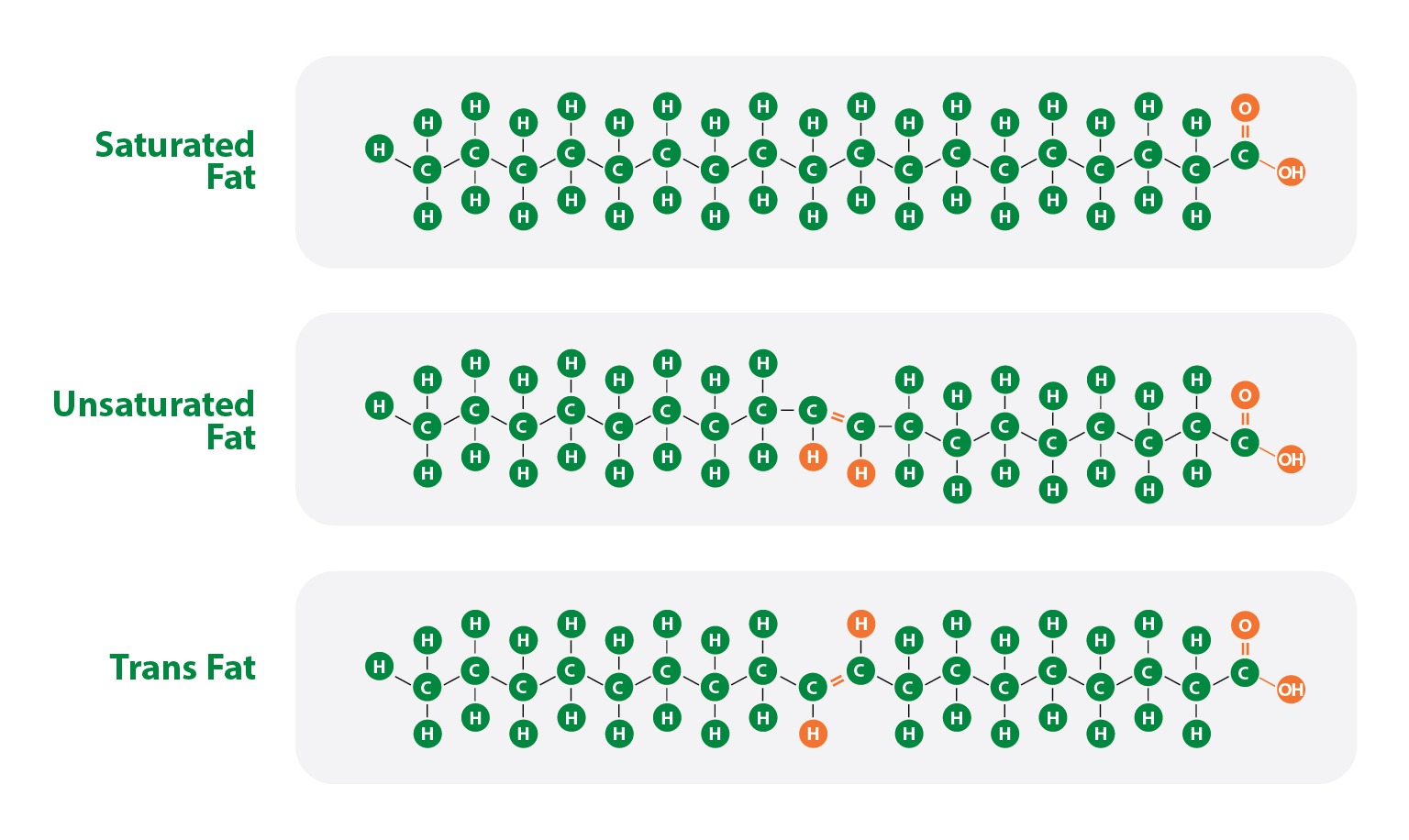
Trans fats are a type of unsaturated fat that can negatively impact health when consumed in excess. They raise harmful Low-Density Lipoprotein (LDL) cholesterol and lower beneficial High-Density Lipoprotein (HDL) cholesterol, significantly increasing the risk of heart disease. Trans fats are also associated with stroke, cancer, liver dysfunction, obesity, and Type 2 diabetes.
There are two types of trans fats:
- Naturally occurring trans fats: Found in small amounts in dairy and meat from ruminant animals. Research suggests this type is not considered harmful.
- Artificial (or industrial) trans fats: Produced through a process called hydrogenation, where hydrogen gas is added to liquid vegetable oils. This process increases saturation, depending on the degree of hydrogenation, turning the oils into partial fats that are spreadable, extend shelf life, and stabilize flavor. However, it also creates trans fats from partially hydrogenated oils (PHOs)—the main source of harmful artificial trans fats.
Where Are Trans Fats Found?
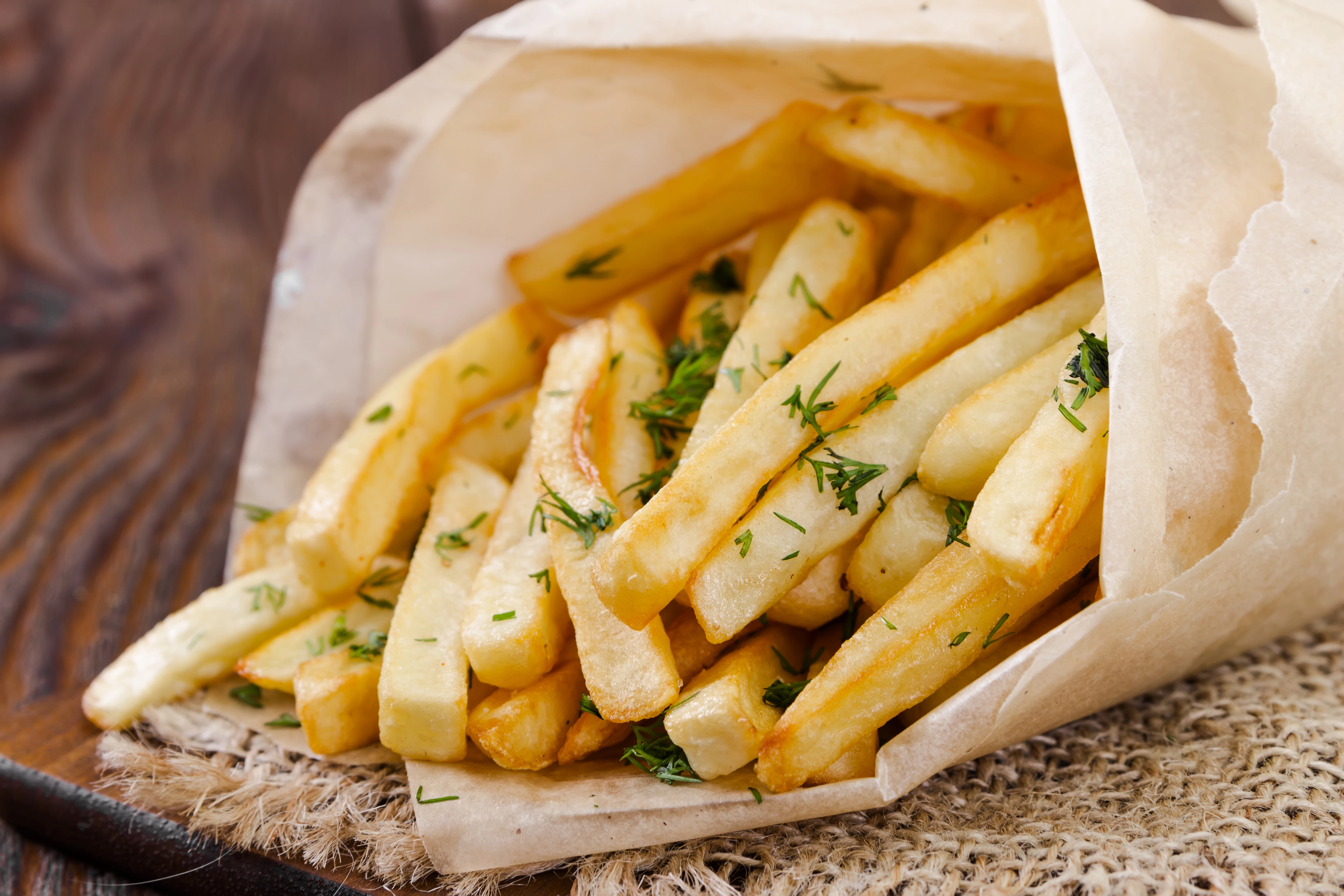
Artificial trans fats are widely present in processed and fried foods, including:
- French fries, doughnuts, and fried chicken
- Baked goods such as cakes, pies, and pastries
- Non-dairy coffee creamers and margarine
- Shortening and packaged snack foods
Consumers may not always be aware of their intake, which makes regulatory action and industry responsibility critical.
Health Risks of Trans Fats
According to the World Health Organization (WHO), excessive consumption of trans fats is a leading cause of cardiovascular disease, contributing to over 500,000 deaths annually worldwide. Due to their links to heart disease and other chronic conditions, trans fats are a major focus of public health regulations and dietary guidelines globally.
Global Regulations on Trans Fats
In response to the health risks associated with trans fats, countries worldwide have implemented stringent measures to reduce or eliminate artificial trans fats from the food supply. In North America, the US and Canada fully banned trans fats in 2018. In Europe, the EU limits industrial trans fats in fats and oils to 2%. In Asia, countries like Singapore and India have implemented regulations capping trans fat content in edible oils and food products, with India targeting a maximum of 2% in all oils and fats.
Globally, over 23 countries have banned PHOs or set strict limits, underscoring the worldwide commitment to reduce harmful trans fats and protect public health.
Musim Mas’ Commitment to Trans Fat-Free Solutions
At Musim Mas, we continuously monitor these global regulatory developments to ensure our products are aligned with both international requirements and consumer health expectations. Through alternative non-hydrogenated production processes and stringent quality assurance, we ensure no trans fats are generated in our oils and specialty ingredients.
Why Palm Oil Plays a Role
Unlike many other vegetable oils, palm oil is naturally semi-solid at room temperature and has a higher natural saturated fat content. This makes it far easier to prevent the formation of trans fats without hydrogenation. Musim Mas harnesses this natural advantage through advanced selective fractionation and formulation techniques. This enables us to deliver high-performance, trans fat-free solutions that meet the functional and nutritional needs of food manufacturers.
Partnering for a Healthier Future
We believe food manufacturers should not have to choose between functionality and health. That’s why we work closely with our partners to co-develop trans fat-free solutions that meet regulatory demands and deliver healthier choices for consumers.
With the health of end consumers in mind, Musim Mas continues to innovate—because one ingredient can create a thousand opportunities for healthier, safer, and more sustainable products.