Stearic acid, a versatile and essential fatty acid, plays a pivotal role across various industries, from skincare to home care and industrial applications. This indispensable compound is a key focus of Musim Mas, a global leader in producing sustainably sourced palm oil and its derivatives.
Suppose you’re a skincare professional, a chemical industry insider, a health enthusiast, or a palm oil industry professional. This guide will equip you with valuable insights into stearic acid and its diverse applications.
Key takeaways
- Stearic acid (C18H36O2) is a saturated fatty acid used as a stabilizer, thickener, softener and emulsifier. It shows up in personal care, home care, food and industrial products. Palm oil is the most common commercial source.
- In skincare, it does more than improve texture. Stearic acid occurs naturally in the skin’s outer layer (the stratum corneum), and in the right formulation it can help support the skin’s lipid barrier.
- Leave-on products typically use 1 to 10%. It rates 2 to 3 out of 5 on the comedogenicity scale, so lighter textures and products for acne-prone skin should stay at the lower end. Rinse-off formats like soaps and cleansing bars carry little risk of clogged pores.
- It affects cholesterol differently from other saturated fats. The liver converts much of it to oleic acid, so its effect on LDL cholesterol is neutral to mildly favorable. Palmitic and lauric acid don’t share this, which matters for food and nutraceutical labeling.
- Grade selection decides performance. Commercial specs usually cover:
- acid value: 195 to 211 mg KOH/g
- iodine value: below 4 for triple-pressed grades
- titer: 54 to 57°C for double-pressed, 56 to 58°C for triple-pressed
Cosmetic and pharmaceutical buyers should ask for a Certificate of Analysis and check USP, BP or JP compliance. Food-grade stearic acid needs GRAS status in the US or must meet EU food additive rules.
- The molecule is the same from any source, but the supply chain isn’t. Stearic acid from RSPO- or ISCC-certified palm oil with documented traceability is increasingly needed to comply with the EU Deforestation Regulation (EUDR).
- Musim Mas makes palm-based stearic acid under a No Deforestation, No Peat, No Exploitation policy, with traceability to the mill. Contact Musim Mas to match the right grade and documents to your application.
What Is Stearic Acid and How Is It Used?
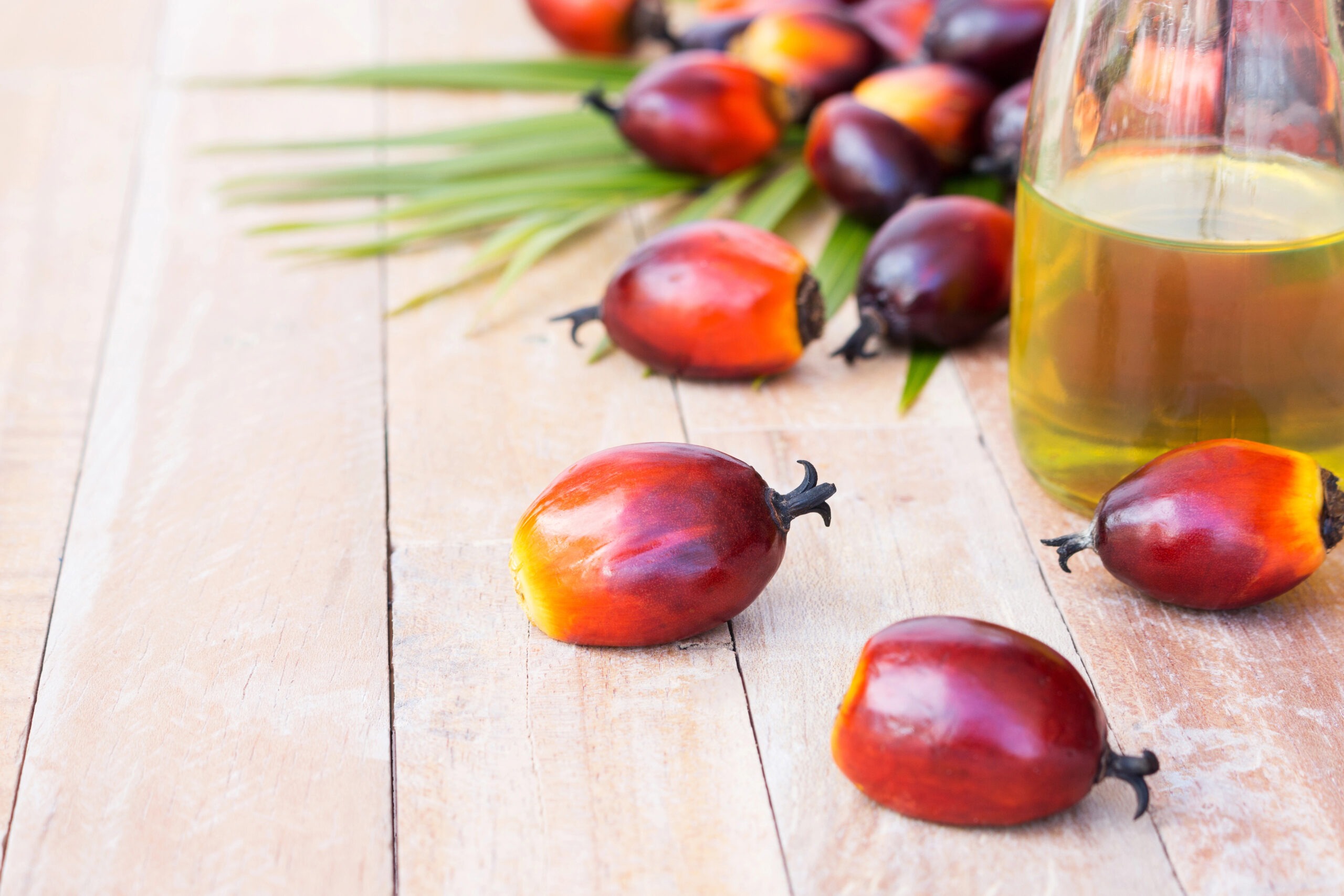
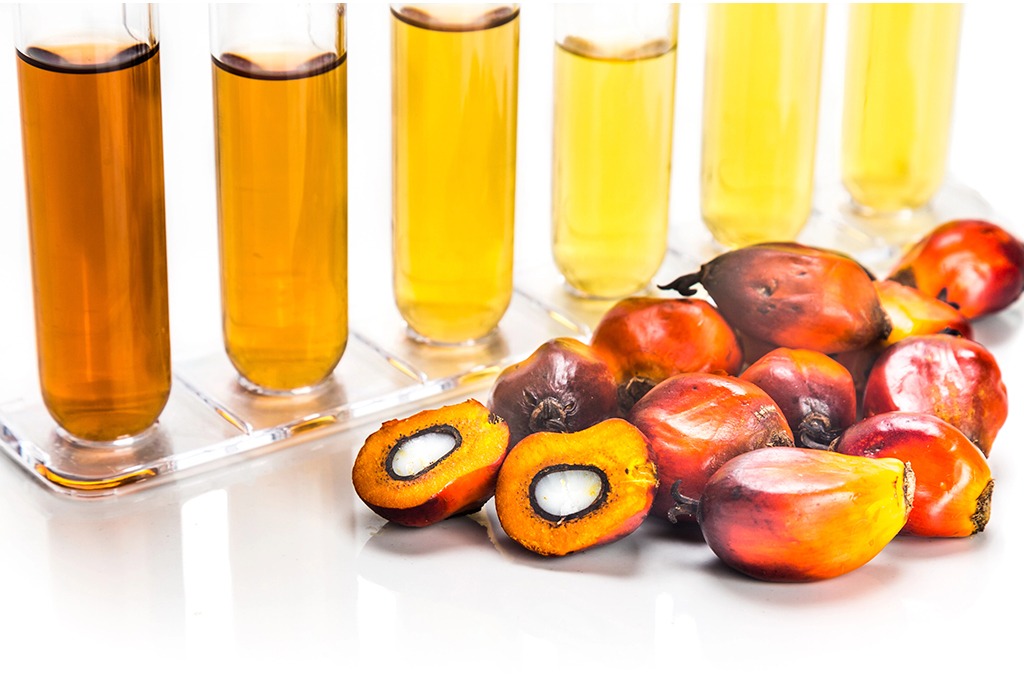
Stearic acid is a saturated fatty acid with the chemical formula C18H36O2. It belongs to the broader category of carboxylic acids. Stearic acid is derived from both natural animal fats and plant oils, but it is most commonly extracted from sustainable sources like palm oil due to its abundance and accessibility.
Stearic acid boasts several unique properties that make it indispensable for numerous applications. It is a stabilizer, thickener, and softener frequently used in personal care, home care, and industrial products.
Stearic acid also has surfactant properties, which can reduce the surface tension between two liquids (like oil and water), making it an effective emulsifier. This makes it perfect for creating smooth, creamy formulations in products such as lotions and soaps.
The Benefits of Stearic Acid and Other Fatty Acids

(Source: Unsplash/Ayush Kumar)
Health & Skincare Benefits
Stearic acid offers several benefits, particularly in skincare. Its moisturizing properties lock in hydration, making products like creams and lotions highly effective. It stabilizes formulations, ensuring your favourite beauty products maintain consistency over time.
Other fatty acids in Musim Mas’s range work synergistically to deliver enhanced benefits, from improved texture to superior hydration.
Environmental Sustainability
Using sustainably sourced fatty acids provides environmental benefits by reducing the dependency on harmful practices like deforestation. Musim Mas ensures that sustainable stearic acid production meets the highest environmental and social standards.
Stearic Acid and the Skin Barrier: What the Science Says
One area that deserves more attention in B2B discussions is how stearic acid functions in the context of skin physiology, not just cosmetic formulation. This is increasingly relevant as demand grows for ingredients that brands can substantiate in their consumer-facing claims.
Stearic acid is one of the naturally occurring fatty acids in the skin’s stratum corneum, the outermost layer of skin. This layer is crucial for maintaining the skin’s barrier function, retaining moisture, and shielding the skin from environmental stressors.

(Unsplash/Look Studio)
It is one of the key ceramide-associated fatty acids that make up the intercellular lipid matrix of the epidermis. When the skin’s lipid composition is disrupted, through aging, harsh cleansing, environmental exposure, or certain skin conditions, stearic acid supplementation through topical formulations can help restore and reinforce this barrier.
This positions stearic acid differently from a purely functional ingredient standpoint. It is not only an emollient added to improve skin feel; at appropriate concentrations and in suitable formulations, it can also help support the skin’s natural lipid barrier, consistent with its role as a naturally occurring fatty acid in the skin.
For formulators, there is one nuance to keep in mind: in higher amounts in leave-on products, stearic acid can feel heavy and may contribute to clogged pores on very oily or acne-prone skin. This is not a safety concern but a formulation consideration. In practice, stearic acid is typically used at concentrations of 1-10% in leave-on formulations, with lower end ranges suited to lighter textures and acne-prone skin profiles. It performs well in rinse-off formats such as cleansing bars and face washes, or in leave-on products where it is balanced with lighter, non-comedogenic co-ingredients. Being transparent about this with brand partners downstream is part of responsible ingredient supply.
Additionally, research on stearic acid’s metabolic behavior distinguishes it from other saturated fatty acids. Upon ingestion, stearic acid is substantially converted to oleic acid, a monounsaturated fatty acid, in the liver. This conversion means stearic acid has a neutral to mildly favorable effect on LDL cholesterol, unlike palmitic or lauric acid. For food manufacturers and processors working with Musim Mas’s full fatty acid portfolio, this distinction is relevant to nutritional positioning and product labeling.
Stearic Acid in Musim Mas’s Product Range
Musim Mas produces high-quality fatty acids, including stearic acid, through sustainably sourced palm oil. Musim Mas’ commitment to environmental and social responsibility ensures that we meet global demand without harming ecosystems and communities.
Musim Mas incorporates stearic acid into an array of products relied on by industries worldwide.
Cosmetics and Personal Care

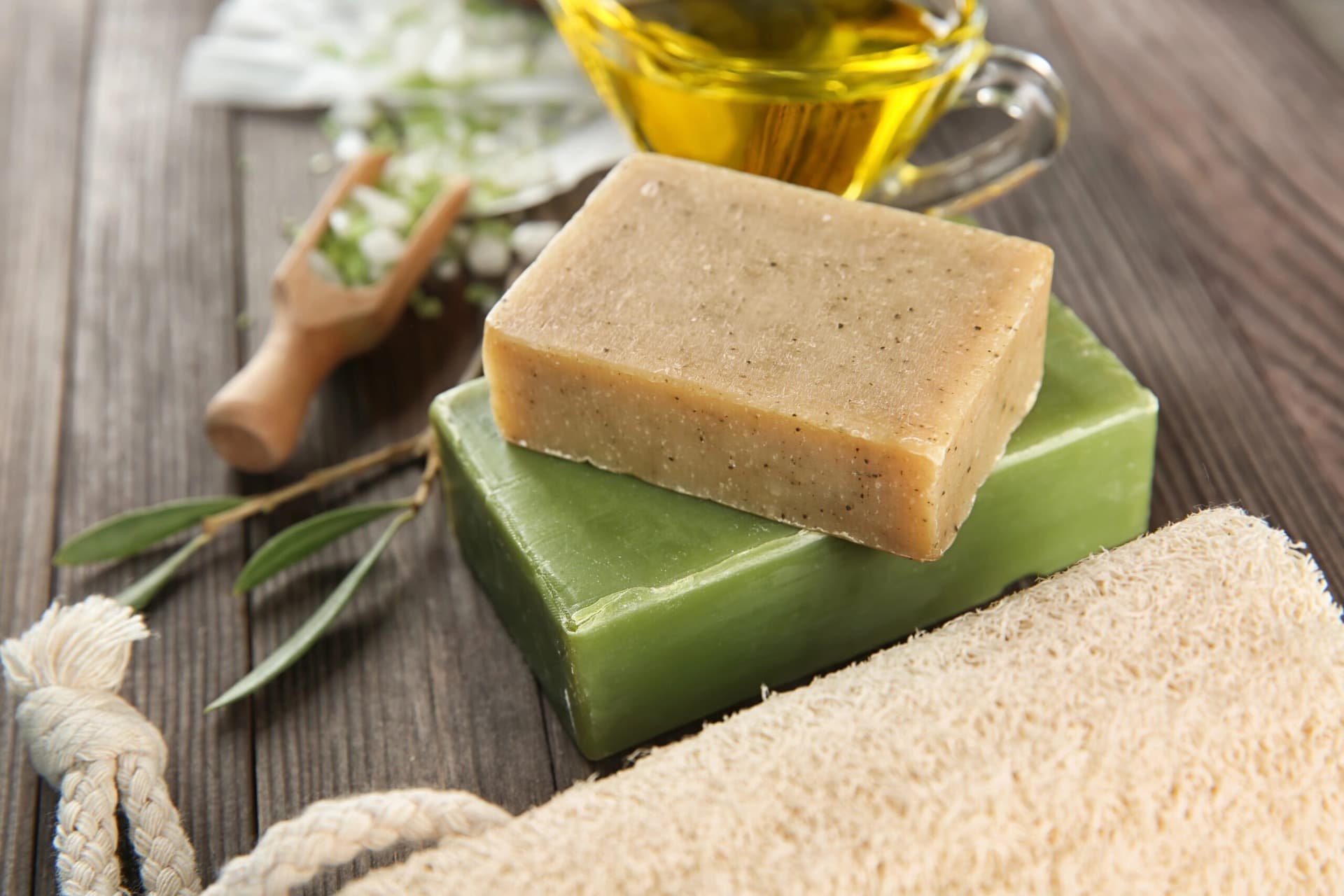
Stearic acid is an essential ingredient for skincare and personal care products. It is an emollient that softens skin and a thickener that improves texture and spreadability. Stearic acid ensures premium quality and efficacy in luxurious moisturizers, shaving creams, or cleansing bars.
Home Care and Industrial Applications
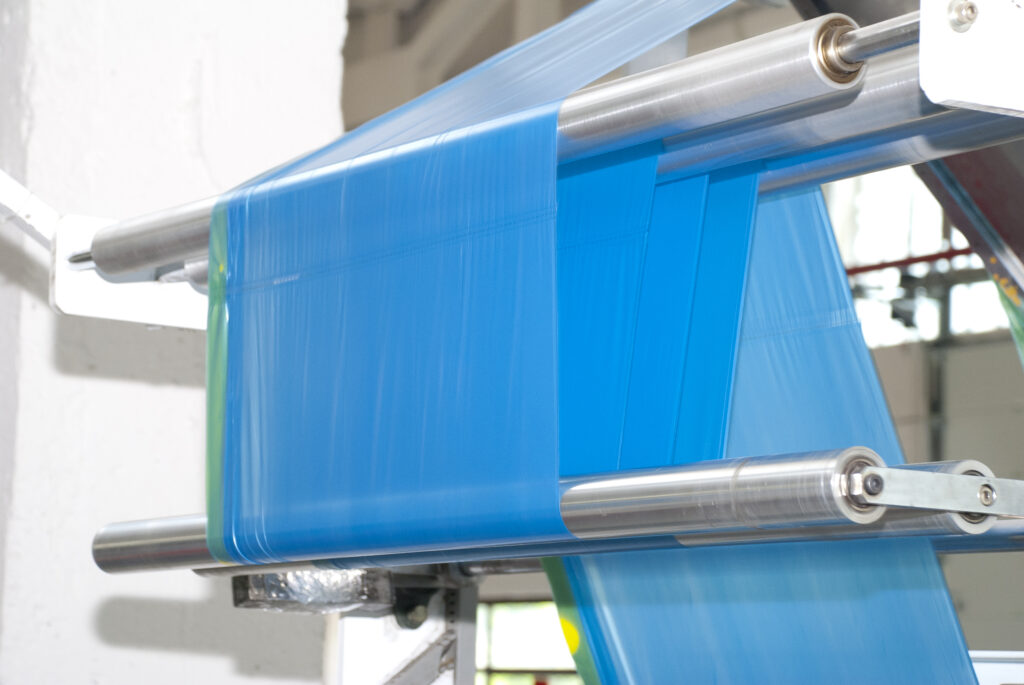
Stearic acid stabilizes and binds home care products like detergents and candles. Its lubricant properties also make it valuable in industrial applications, where it is used in plastic manufacturing and as a release agent in rubber production.
Musim Mas’s palm-based stearic acid has become a vital ingredient across these applications, ensuring consistent results and exceptional performance.
Safety, Quality, and Compliance
Stearic Acid Safety
Stearic acid is widely considered safe for use in formulations for human contact, such as skincare and personal care products. Musim Mas adheres to stringent safety protocols to confirm that all our fatty acid products, including stearic acid, meet global safety standards.
Quality Assurance
At Musim Mas, we prioritize the highest quality standards for our fatty acids. This involves rigorous testing and compliance with international regulations. Our advanced production methods ensure that every batch meets the consistency, safety, and environmental responsibility criteria.
Sustainable Production of Stearic Acid at Musim Mas
Musim Mas is a proud advocate for sustainability, ensuring that all our palm-derived products are produced responsibly.
Sustainability Practices
Musim Mas’ no-deforestation, no-peat, and no-exploitation policy governs every stage of our operations, from plantation management to oleochemical production. This means no conversion of primary forests, High Conservation Value (HCV), or High Carbon Stock (HCS) areas, no development on peatlands regardless of depth, and no tolerance for labor exploitation or human rights violations across our supply chain. We also maintain traceable sourcing to the mill level and are actively working toward full plantation-level traceability, supporting biodiversity preservation across palm-growing regions.
Innovative Approaches
Our use of advanced technology streamlines the production of sustainable fatty acids, including stearic acid, minimizing waste and lowering our carbon footprint. The result is top-tier products that align with local and global environmental standards.
Partner with Musim Mas Today
Frequently Asked Questions About Stearic Acid
What is the difference between stearic acid and palmitic acid?
Both are saturated fatty acids from palm oil, but stearic acid (C18) has a longer chain than palmitic acid (C16). Stearic acid has a higher melting point and greater rigidity, making it better for solid products. Palmitic acid is softer and more suitable for flexible formulations. Stearic acid also has a more neutral cholesterol effect, which matters for food and nutraceutical uses.
Is stearic acid comedogenic?
Stearic acid rates low-to-moderate on the comedogenicity scale (2–3 out of 5). This is mainly a concern in leave-on face products at high concentrations. In rinse-off formulations like soaps or where it’s a minor ingredient, comedogenicity is generally not an issue.
What are the standard specifications for industrial-grade stearic acid?
Typical specifications for commercial stearic acid include:
- Acid value: 195–211 mg KOH/g
- Iodine value: <4 (triple-pressed grades)
- Titer (solidification point): 54–57°C (double-pressed) or 56–58°C (triple-pressed)
- Color: Lovibond or Gardner scale
Buyers sourcing for pharmaceutical or cosmetic applications should request a Certificate of Analysis (CoA) and confirm compliance with relevant pharmacopoeia standards (USP, BP, or JP) as applicable.
How does sustainably sourced stearic acid differ from conventional supply?
The stearic acid molecule is identical regardless of source. The difference lies in the supply chain: sustainably sourced versions come from RSPO- or ISCC-certified palm oil with documented traceability, no-deforestation commitments, and third-party verification. This is increasingly required for EU Deforestation Regulation (EUDR) compliance.
Can stearic acid be used in food-grade applications?
Yes. Food-grade stearic acid must meet additional purity requirements and have GRAS status (US) or comply with EU food additive regulations. It’s used as a processing aid, anti-caking agent, and surface treatment. Confirm the intended application with your supplier to ensure the correct grade and documentation.