By: Chang Rui Jia
What Is Margarine? | What Is Shortening? | Margarine vs Shortening: What are the Key Differences? | Why Choose Palm-Based Options? | Practical Tips for Choosing Between Margarine vs Shortening | Making the Right Choice with Musim Mas | Frequently Asked Questions (FAQs)
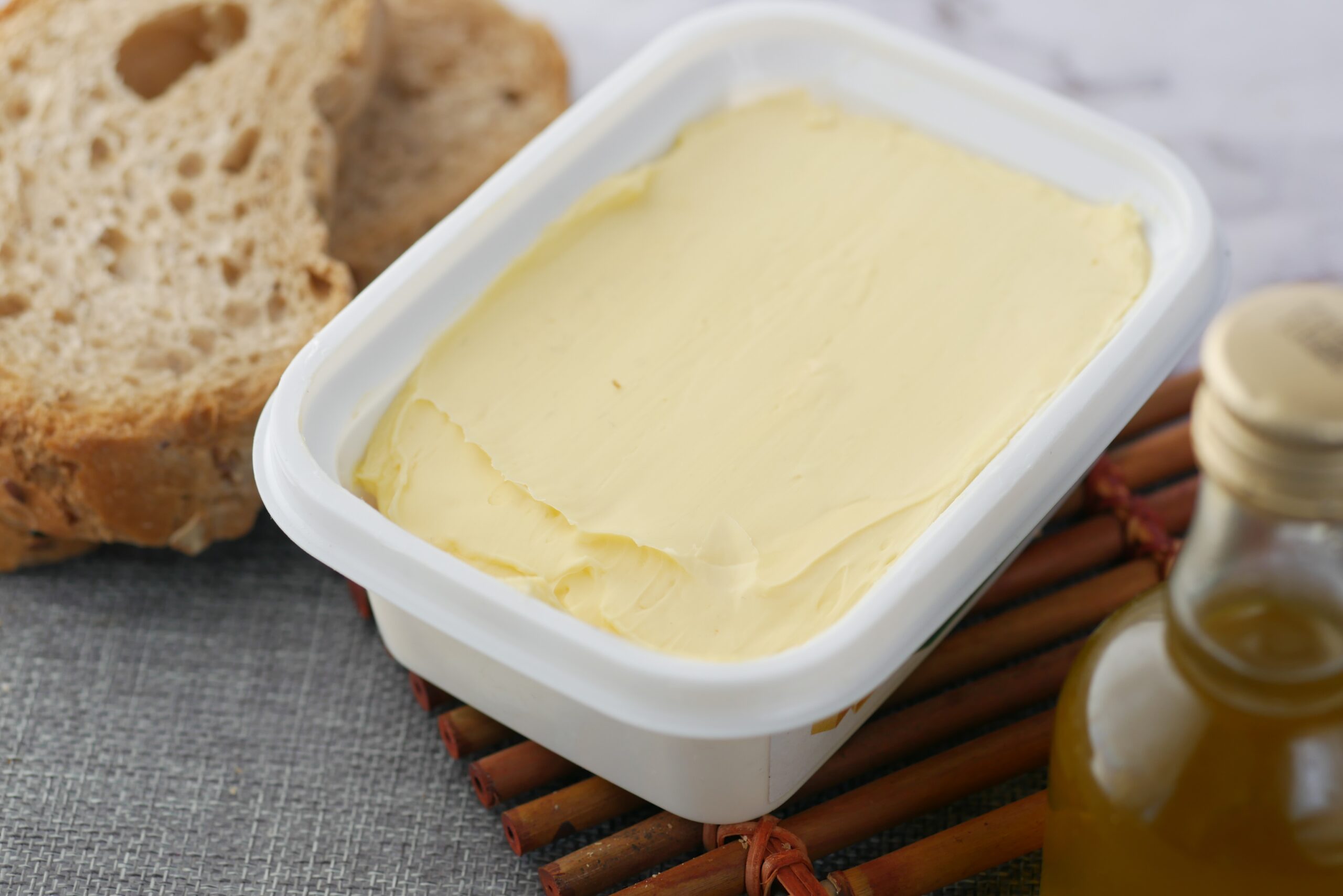
Margarine vs shortening is a common debate in the world of baking and cooking, especially when choosing the best fat for texture, taste, and performance.
Both options are widely used and can be made using palm oil, which brings added benefits to the table. But which one suits your recipe best?
Let’s explore what sets margarine and shortening apart and how to pick the right option for your culinary needs.
What Is Margarine?
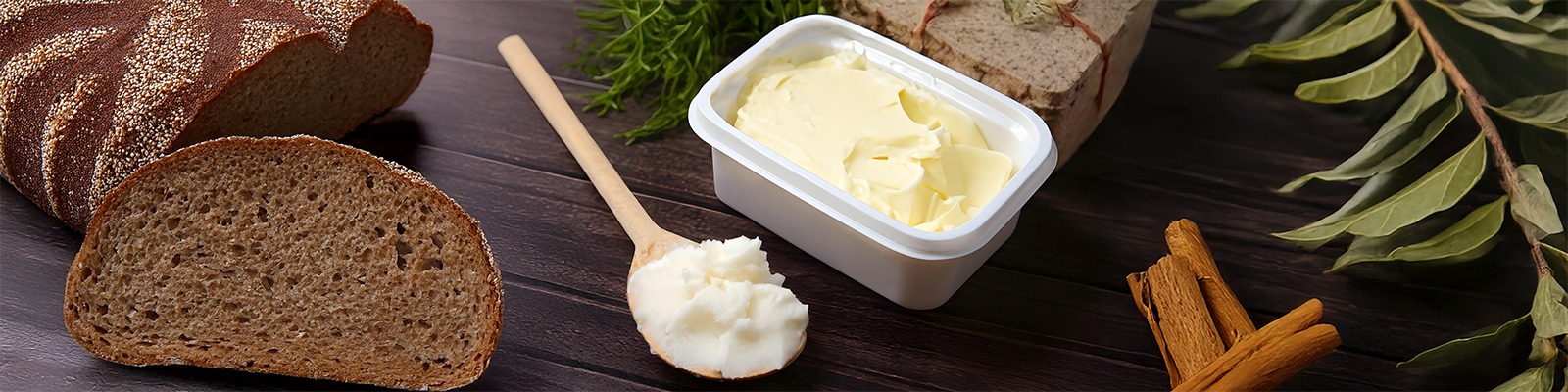
Margarine is an imitation of butter. Standard margarine contains at least 80% fat and no more than 16% water.
It’s typically made from vegetable fats and oils—palm oil, soybean oil, sunflower oil, and canola oil are common sources.
Technically, it’s a water-in-oil emulsion, which means that tiny water droplets are evenly distributed within the fat phase.
One of the main reasons margarine is so popular is that it’s plant-based, making it suitable for vegan diets. It’s also generally more affordable than butter.
Additionally, there are four types of margarine designed for specific uses:
- Table margarine: Soft and spreadable at room temperature, perfect for toast and sandwiches.
- All-purpose margarine: Great for frying and baking; helps prevent oil spatter.
- Cake margarine: Ideal for making cakes that require good aeration and light textures.
- Puff pastry margarine: Offers the plasticity needed to create flaky, layered pastries like croissants.
What Is Shortening?
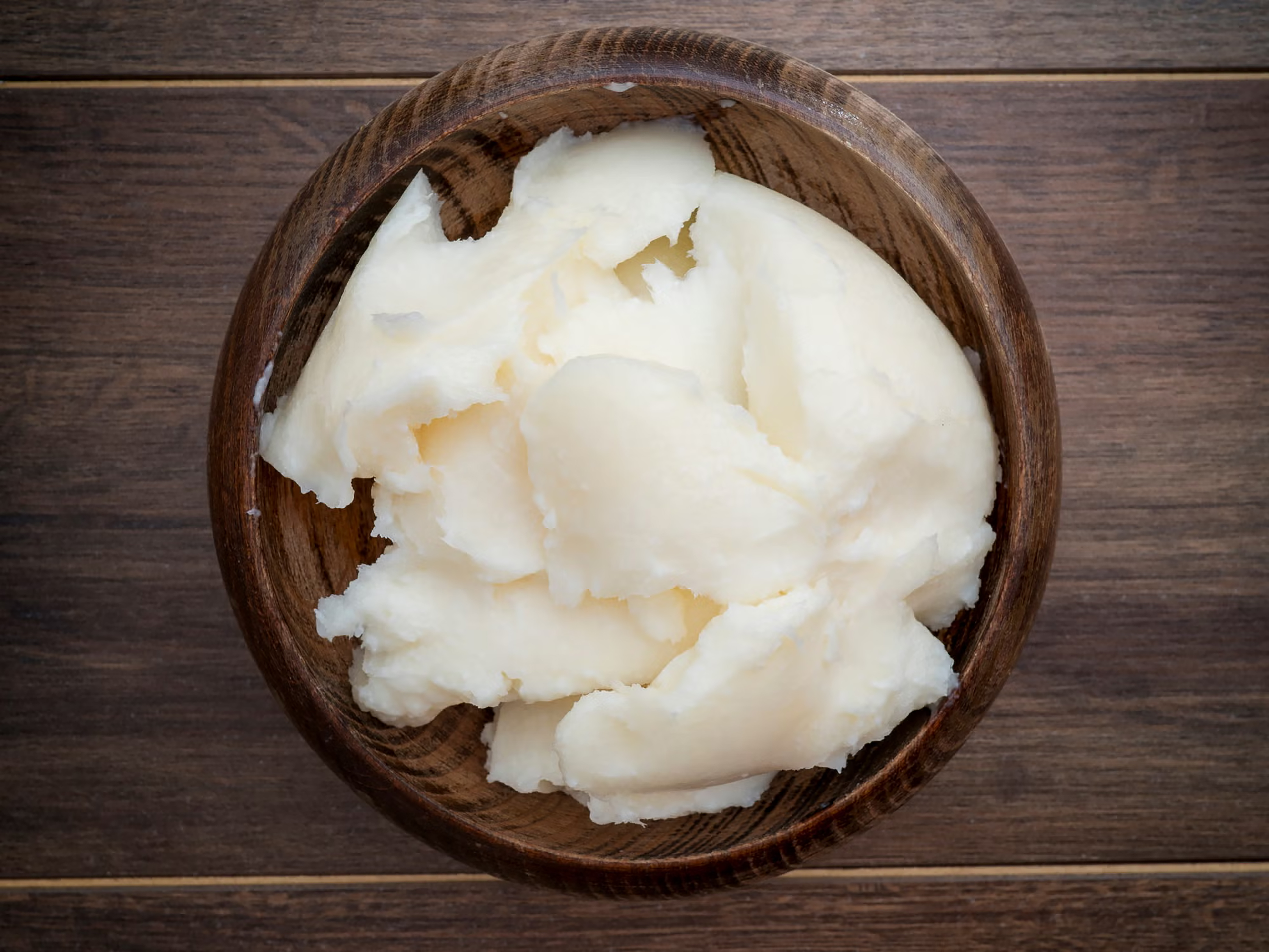
Unlike margarine, shortening is made up of 100% fat with no water content. It’s usually produced from animal fat or vegetable fats, with palm oil being a common base due to its stable structure and natural semi-solid state at room temperature.
Shortening was introduced as a substitute for lard and has become a go-to fat in many kitchens.
Here’s why shortening is valued:
- It has a high smoke point, which means it can be used for deep frying without breaking down quickly.
- It gives fried foods a crisp texture.
- Because it contains no water, it doesn’t spatter when heated.
- It keeps bread soft for longer by slowing down the staling process.
- It improves dough flexibility by coating gluten strands, making dough easier to stretch and shape.
Margarine vs Shortening: What are the Key Differences?
Take a closer look at what sets these two apart:
| Margarine | Shortening | |
| Minimum 80% of fat & maximum 16% of water | Composition | 100% fat |
| Buttery | Flavor | Bland |
| May not contain cholesterol |
Cholesterol | May not contain cholesterol |
| No trans fats in palm-based margarine |
Trans Fat | No trans fats in palm-based shortening |
|
Cakes Spread |
Application |
Frying Bread Cookies |
Why Choose Palm-Based Options?
Palm oil is a versatile ingredient used in both margarine and shortening.
It naturally stays semi-solid at room temperature, thanks to its balanced content of saturated and unsaturated fatty acids. This helps reduce the need for hydrogenation, a process that creates trans fats.
Palm-based fats also offer:
- Good stability and consistency across a wide range of temperatures and recipes.
- A cost-effective solution due to higher yield and lower production costs.
- A plastic, workable texture that’s easy to incorporate into doughs and batters.
- Vegan-friendly properties, aligning with growing demand for plant-based baking ingredients.
Practical Tips for Choosing Between Margarine vs Shortening
Not sure which one to use? Here’s a simple guide to help you:
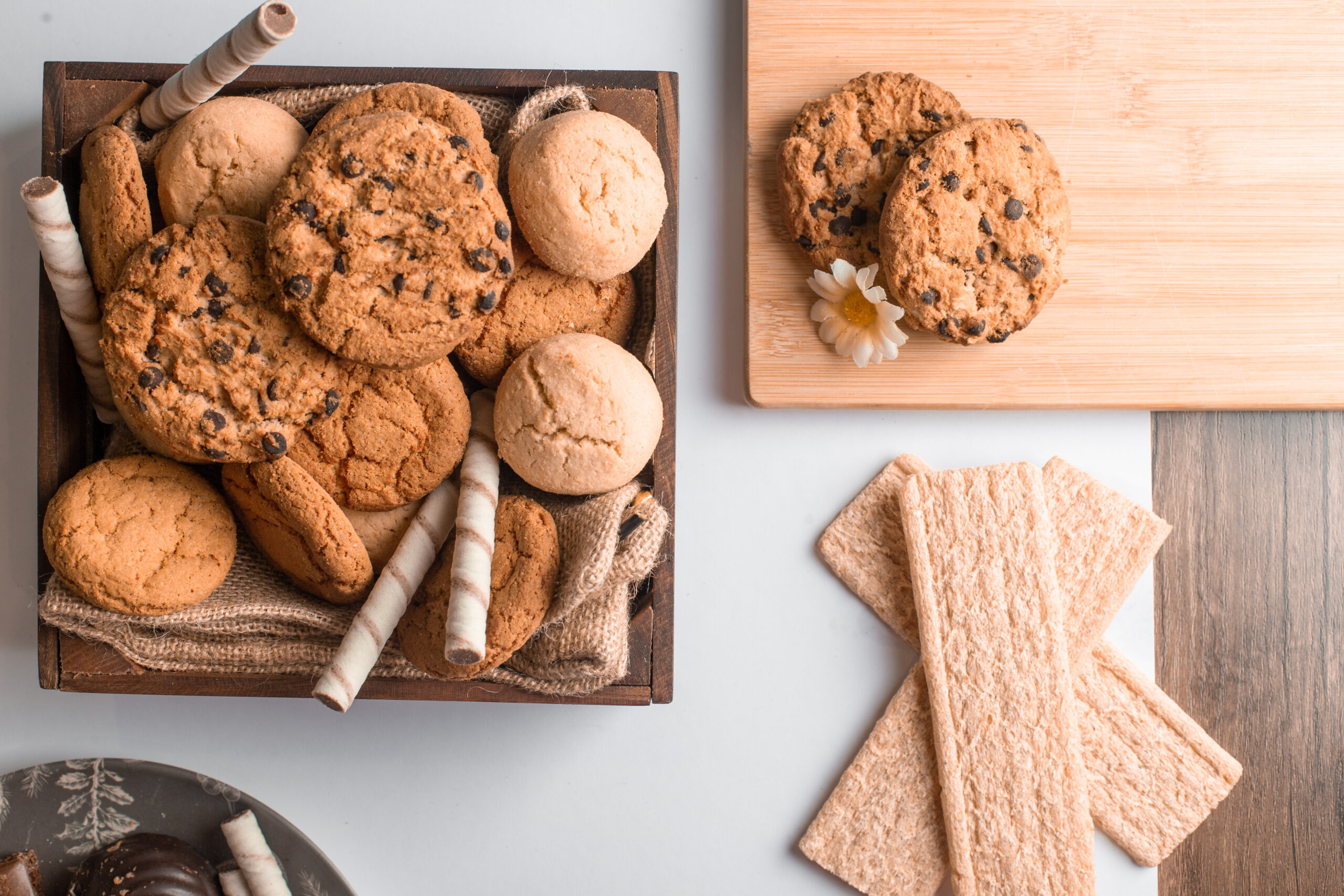
For cakes, cookies, and pastries
Use palm-based margarine to get better aeration, texture, and layering.
For soft bread and crispy fried foods
Go for palm-based shortening to improve softness and frying performance.
Always check labels
When sourced responsibly, palm oil can also be a sustainable choice. Look for RSPO-certified palm oil products to ensure you’re supporting ethical and environmentally conscious practices.
Making the Right Choice with Musim Mas
At Musim Mas, we offer a wide range of bakery fats and palm-based products for food applications, all developed to meet the demands of global industrial markets.
Explore our solutions or get in touch with us for more information.
Frequently Asked Questions (FAQ)
1. Why do some margarine and shortening products have different colors?
It depends on the formulation. Some are naturally lighter in color due to the fats and oils used, while others have added coloring to improve the appearance of the product.
2. Can palm-based margarine or shortening be used in non-bakery food applications? Why do some margarine and shortening products have different colors?
Yes. Aside from baking, palm-based margarine and shortening can be used in ready meals, processed foods, sauces, and snack coatings. Their stable structure and neutral taste make them suitable for a variety of formulations beyond bakery items.
3. How should margarine and shortening be stored for best results?
Both should be kept in a cool, dry place away from direct sunlight. While margarine may be stored at a lower temperature depending on the formulation, many commercial variants remain stable at room temperature.
4. What’s the shelf life of industrial margarine and shortening?
Shelf life depends on the specific product and packaging, but most palm-based margarine and shortening products have a shelf life of 12 to 18 months when stored under recommended storage conditions.
5. How do I select the right fat blend for my product formulation?
Choosing the right fat blend depends on several factors: slip melting point, desired texture and product requirements.