Meet Brian, our Conservation Officer | Protecting the Places That Matter Most | Challenges faced in the field | Communities play a part in Wildlife Protection | A Little Motivation, A Little Encouragement
The protection of biodiversity in agricultural landscapes is supported through consistent and proactive commitment to responsible management practices. At Musim Mas, this effort is carried forward through delineation of areas important to biodiversity, desktop & field monitoring, habitat observation, engagement with surrounding communities, and collaboration with various stakeholders such as experts, scholars, researchers and local governments.
In this blog, a closer look is taken at the role of a Conservation Officer. They hold a significant and vital role in safeguarding biodiversity and ensuring that conservation objectives are effectively achieved. One of our Conservation Officers, Brian, shared his view on biodiversity as well as his commitment and dedication in daily operations.
Meet Brian, our Conservation Officer
Brian reflected on his childhood as he grew close to nature. He has understood the importance of the environment to all living beings, and that understanding motivated him to study environmental science at the Faculty of Forestry and Environment, IPB University, before joining Musim Mas’s sustainability team in 2022.
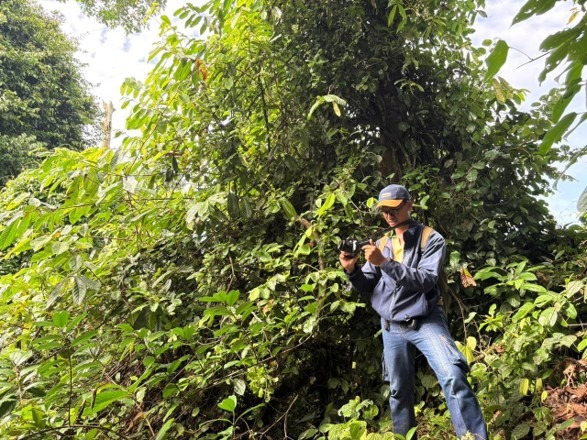
Reflecting on his childhood, Brian shared,
“I grew up in an environment that was still close to nature. Catching insects in the garden near my house and looking for fish in small rivers were part of everyday life.
From there, I began to understand that each creature has its own role, although it is not always directly visible.”
Since then, he has gained valuable experience through hands-on biodiversity monitoring in the field, where he has developed a deeper appreciation for the close connection between habitats, wildlife, and the environment. Brian has observed environmental changes that are becoming increasingly difficult to ignore.
Among the most noticeable are weather conditions that feel warmer compared to 10-15 years ago and seasonal patterns that have become less predictable. These shifts, which are also being experienced in many parts of the world, can influence ecosystems and the way species interact with their surroundings.
Protecting the Places That Matter Most
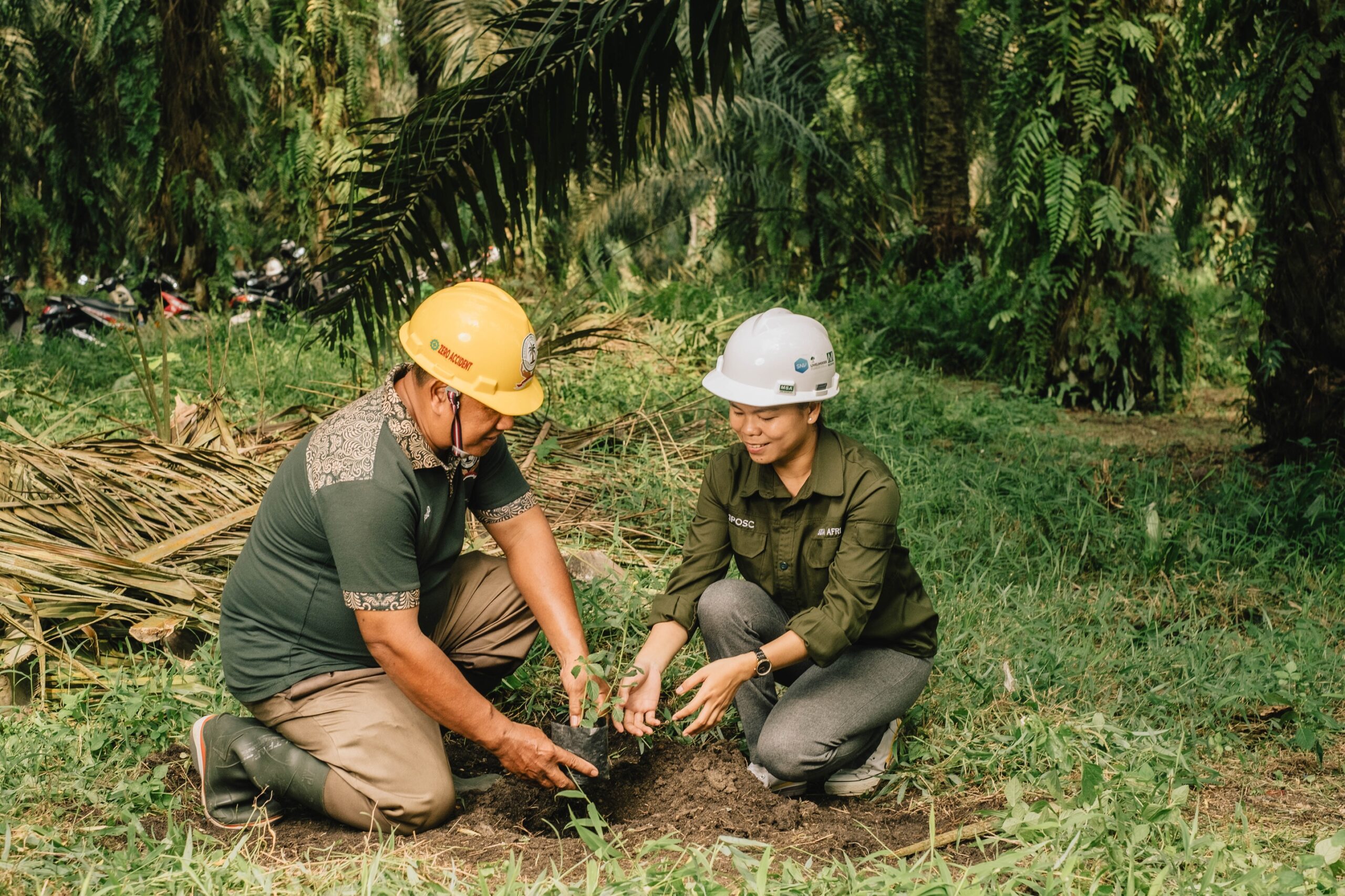
All Musim Mas’s subsidiaries have identified High Conservation Value (HCV), and High Carbon Stock (HCS) areas. These areas and landscapes are prioritized for their ecological value, including their role as wildlife habitat and as buffer zones that help maintain ecosystem processes.
| Province/Estate | Coverage (ha) |
| Sumatra Region | 3,572.61 |
| Kalimantan region | 25,648.13 |
| Total Conservation Area | 29,220.74 |
*Data update December 2025
Once identified, these designated conservation areas must then be maintained and, where possible, further enhanced. Simply setting land aside is not sufficient for effective conservation. Ongoing monitoring and management are needed to ensure that the ecosystems remain healthy, functional, and resilient over time.
In terms of regular monitoring, field data collected by a conservation officer like Brian plays a key role. The observation data obtained from regular monitoring is part of a much bigger picture. Musim Mas has gathered 12 years of biodiversity data in its plantations, which Southeast Asia Rainforest Research Partnership (SEARRP) and academic partners have used to evaluate our conservation efforts and guide future action.
Daily Activities of a Conservation Officer
Brian always looks forward to encountering unique species, such as Rare, Threatened, and Endangered (RTE) species or other species protected by Indonesian regulations, as their presence can provide important insights into the condition of a habitat.
One memorable sighting was of a migratory bird known as the black baza (Aviceda leuphotes), whose presence can only be witnessed during a brief window each year, when the species undertakes its migration to this area for overwintering.
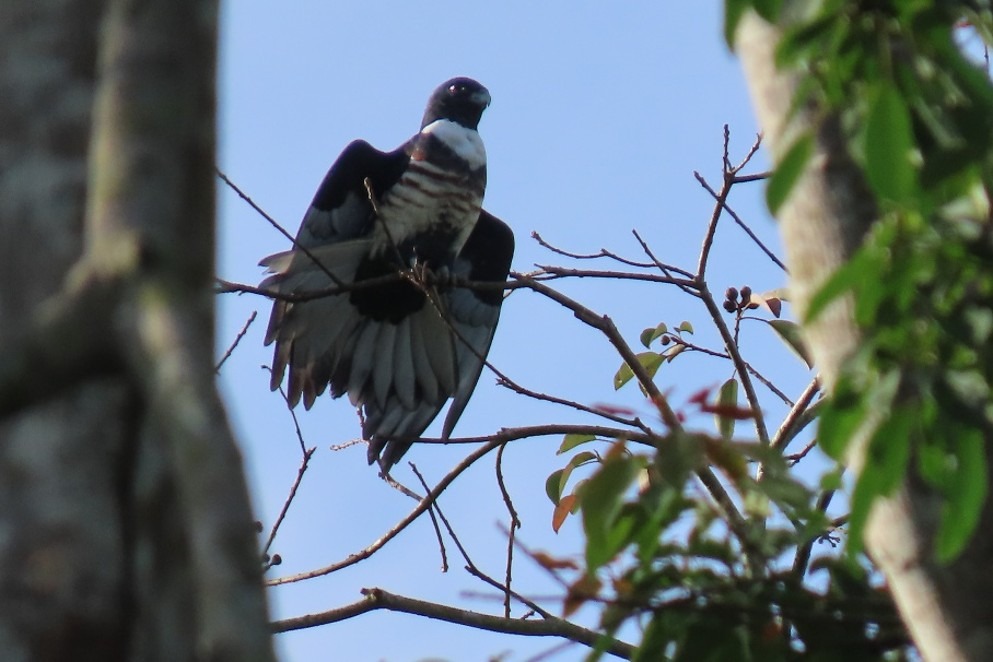
Photo Credit: Brian Auliyai
As part of his role as a conservation officer, Brian carries out wildlife monitoring in the field on a regular basis, surveying each monitoring plot once every two months. Wildlife monitoring typically takes place in the early morning, starting shortly after sunrise and continuing for about three (3) hours, when wildlife activity tends to be higher, and detection is more effective.
During wildlife monitoring, Brian uses both visual observations and sound-based identification in line with Musim Mas’s Wildlife Monitoring Protocol. This protocol outlines specific procedures for different groups of wildlife species and serves as the standard guideline for all monitoring activities across Musim Mas subsidiaries.
Under this monitoring framework, wildlife is monitored using the following approaches:
- Bird species are surveyed using visual observations along transects and auditory detection.
- Wildlife presence is verified through direct sightings and species‑specific calls, while indicated through field signs such as nests, tracks, or food remains.
- Reptiles, amphibians, and mammals are monitored through visual methods.
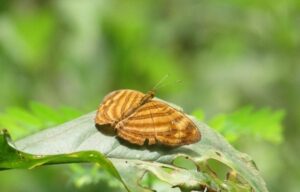
Photo Credit: Brian Auliyai
A successful day in the field, for Brian, is one where he can complete all the planned monitoring activities following the agreed methods and protocols, so the data remains consistent and useful for analysis. Finding wildlife, especially rare, threatened, and endangered species, a bonus, because it gives important clues about how healthy the habitat is. When the whole process runs smoothly from start to finish, he feels confident that the data is reliable.
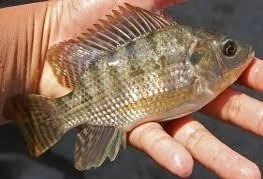
Photo Credit: Brian Auliyai
Challenges faced in the field
Field conditions can also make monitoring more challenging, for example:
- Weather – Heavy rain, heat, or humidity can limit visibility and access.
- Terrain – steep, uneven ground and slippery access roads add difficulty and risk.
- Flora and fauna – certain insects and plants can cause injuries or skin irritation
- Safety – physical endurance, preparation, and attention to safety.
Drawing on both training and experience, Brian and the team prepare appropriate equipment and protective gear to manage these challenges and to maintain safety and health during fieldwork
To support this, they commonly bring:
- Sturdy boots and long‑sleeved clothing for protection and stability in rough terrain
- Hats and raincoats to cope with the strong sun and sudden changes in the weather
- Gloves and insect repellent to reduce the risk of bites, stings, or skin irritation
- Headlamps or flashlights for low‑light conditions
- First‑aid kits and basic medical supplies for minor injuries
- Communication devices (such as radios or mobile phones) to stay in contact with the team
- Additional safety items, such as helmets, where terrain or wildlife risks are higher
Wildlife Challenges
Besides the physical terrain, another source of challenge comes from the animals themselves because these areas not only have dense vegetation and uneven ground, but also serve as natural crossing routes for group-living animals such as pig‑tailed macaques (Macaca nemestrina) and wild boars (Sus scrofa), which means he must stay especially alert when working there.
Small predators like the Asian small-clawed otter, wild cats, and civets are some of the toughest animals to monitor. They are small, shy, and mostly active at night, which makes direct sightings quite rare. they tend to vanish quickly into dense vegetation, burrows, or trees, and they are often found in places that are not easy to reach. Because of this, Brian usually identifies their presence through signs left behind in the environment instead of seeing them face to face.
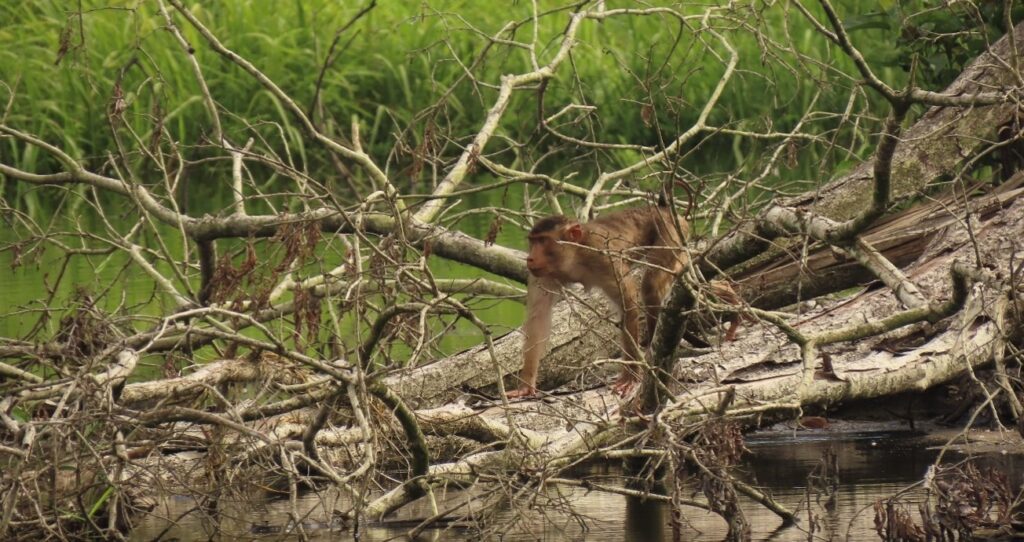
Photo Credit: Brian Auliyai
Communities play a part in Wildlife Protection
Equally important is the involvement of surrounding communities at every stage, helping ensure that conservation efforts are both practical and inclusive. These forums are conducted through visits to the village offices that are located within or adjacent to the company’s operational area.
Musim Mas holds a regular forum with stakeholders every semester, including:
- Local community members
- Village leaders
- Community representatives
- Local government agencies
During these sessions, participants exchange information and discuss the importance of protecting the area, including prohibiting hunting of protected wildlife, clearing land irresponsibly, and carrying out practices that may damage the ecosystem.
The company also shares relevant best management practices as part of building a common understanding. Our engagement approach is also carried out through the FPIC procedure to reach an agreement on protecting these conservation areas without coercion from any party.
This involvement shows that surrounding communities actively protect biodiversity alongside area managers, highlighting the shared, multi‑stakeholder responsibility for safeguarding biodiversity.
A Little Motivation, A Little Encouragement
Brian’s motivation in his role as a Conservation Officer is rooted not only in a love of nature, but also in hands-on field experience and a solid educational background. He remains closely attuned to conditions on the ground through regular monitoring and continuous learning from the data that is collected.
Aspiring Conservation Officers are encouraged to keep nurturing their curiosity about nature, while ensuring it does not remain a passive interest. A deeper understanding of how ecosystems function is developed through practical fieldwork, supported by reliable learning resources. By becoming involved in field activities and conservation communities, a stronger portfolio of experience can be built, and confidence in working in nature can be gradually strengthened.
Curiosity about nature is meant to be nurtured, not left as an interest alone. Time spent outside, listening, observing, and learning how ecosystems work through muddy shoes, changing seasons, and quiet details, allows understanding to grow. As observations are recorded, sites revisited, and patterns noticed, love for nature begins to evolve into informed care. Through this process, genuine care for nature is strengthened, gradually shaping individuals into informed and dependable champions of the environment.