By: Devane Sharma
Why Smallholders Are Key to Food Security | Rokan Hulu: Why This Landscape Matters | A Business Case Rooted in Resilience | Strengthening Smallholder Livelihoods | Empowering Women and Youth to Shape the Future of Palm Oil | A Model for Landscape-Level Transformation
It’s time to rethink agriculture—placing independent smallholders at the center, as strategic actors rather than passive beneficiaries of aid. Their success strengthens supply chain resilience, drives deforestation-free production, and supports long-term food security. In Indonesia, where smallholders cultivate plots often under two hectares yet collectively produce more than 40% of the country’s palm oil, their role is vital to both the economic and environmental future of the agri-commodity sector. When smallholders thrive, the entire palm oil ecosystem becomes more equitable, inclusive, and sustainable.
Why Smallholders Are Key to Food Security
The agri-commodity sector, including palm oil, is undergoing a period of profound transformation. Heightened regulatory requirements—such as the European Union Deforestation Regulation (EUDR)—alongside mounting climate risks and increasing global food demand are reshaping how companies manage supply chains and define sustainability.
Against this backdrop, smallholders are indispensable. Yet despite their importance, they often face barriers such as low productivity, limited access to finance, and difficulties meeting sustainability standards. These challenges risk excluding them from global markets at a time when inclusion is critical for both resilience and equity.
To address these gaps, the Rokan Hulu Landscape and Livelihoods Initiative (ROHULLI) was launched in Riau, Indonesia. This five-year partnership, funded by the Danish government’s Danida Green Business Partnerships programme, brings together Musim Mas, Ferrero, Preferred by Nature, the Sustainable Agriculture Network (SAN), and Agriterra. Its goal is to improve smallholder livelihoods, advance regenerative practices, and strengthen the resilience of the palm oil supply chain.
Rokan Hulu: Why This Landscape Matters
Rokan Hulu Regency, located in Riau Province, plays a crucial role in Indonesia’s palm oil landscape. It contributes approximately 2.8% of the country’s total palm oil supply, with 447,700 hectares of palm-planted area1 out of a national total of 15.93 million hectares.2 The region is home to more than 500,000 smallholders, many of whom face systemic barriers.
The ROHULLI initiative aims to empower 5,400 smallholders to adopt regenerative agriculture, improve yields, and reduce chemical inputs by 30%, while safeguarding biodiversity and ecosystem services. Regenerative agriculture for palm oil smallholders includes the use of organic compost, reducing chemical inputs, and improving soil and water management practices. The project brings in partners with extensive experience in implementing regenerative agriculture in oil palm cultivation across Southeast Asia to support this transition.
Among these partners, SAN provides technical expertise and field-tested methodologies for implementing regenerative practices in oil palm cultivation across Southeast Asia. Their role is crucial in adapting global best practices to local conditions, helping smallholders transition to more sustainable and productive farming systems that restore soil health, improve biodiversity, and build long-term climate resilience.
Importantly, the ROHULLI initiative serves as a replicable model for sustainable agriculture, aligned with climate goals, business continuity, and rural development.
A Business Case Rooted in Resilience
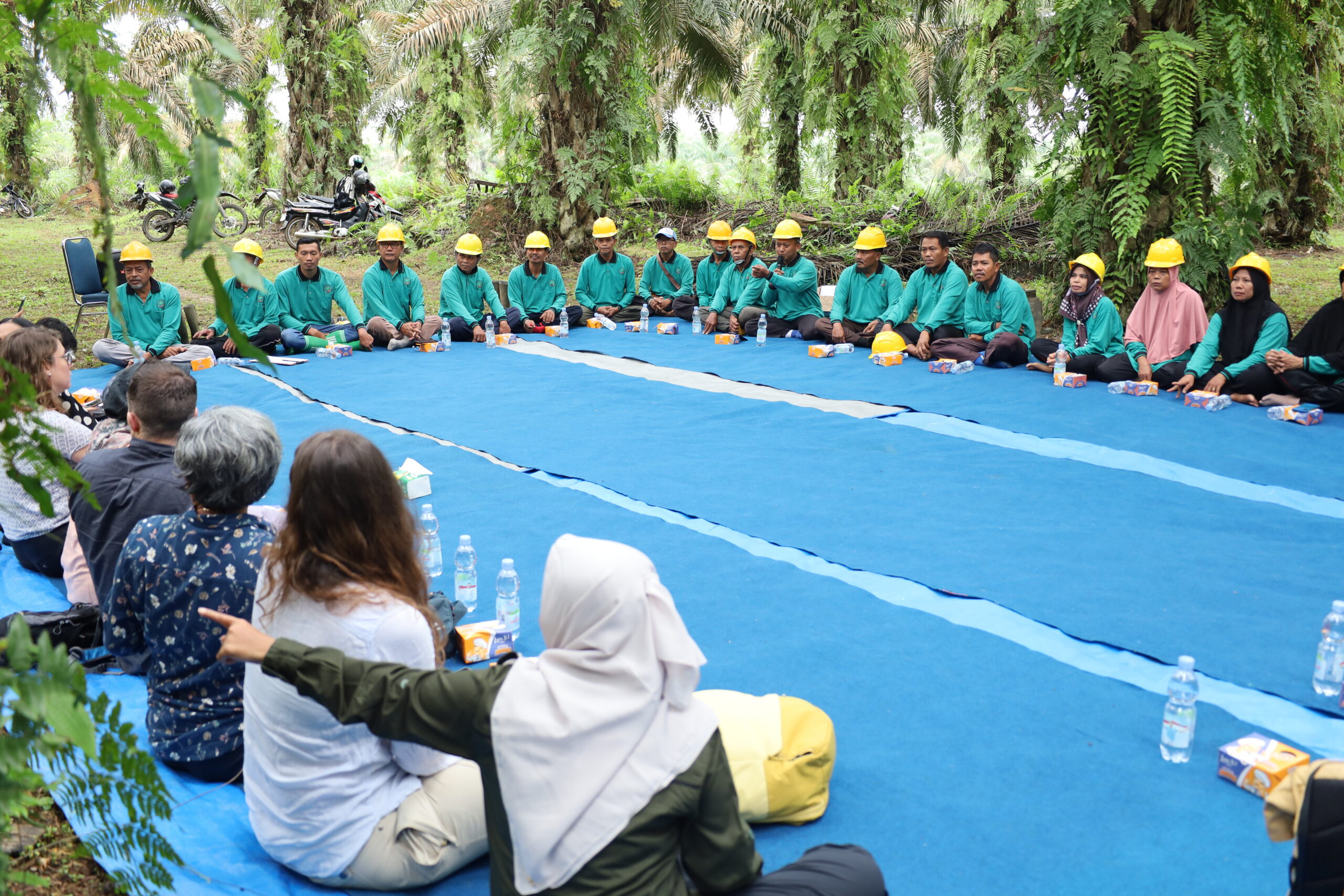
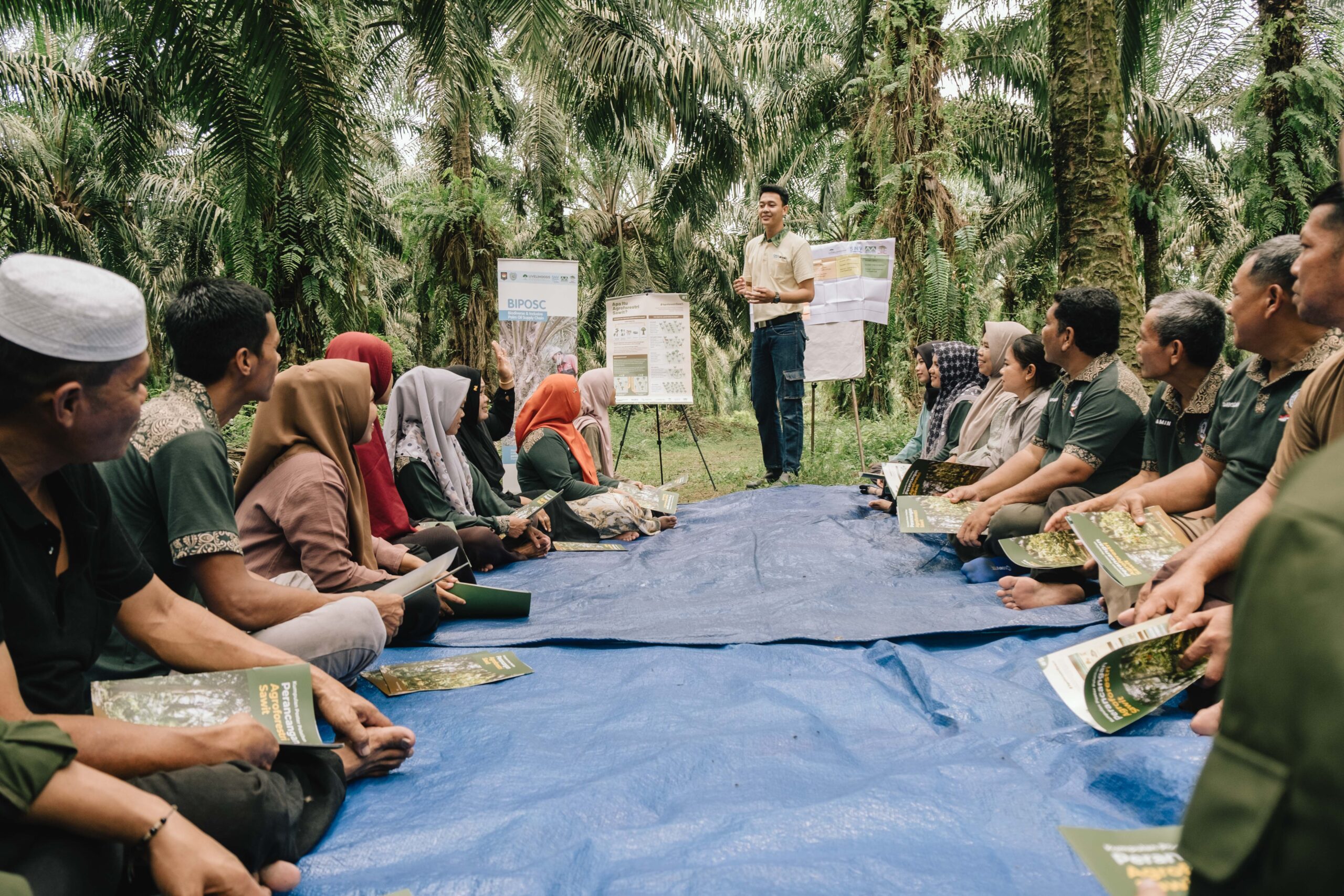
Participants at a ROHULLI initiative training session for smallholders
The long-term stability of global palm oil supply chains increasingly depends on sustainable sourcing strategies. Companies such as Ferrero and Musim Mas recognize that investing in smallholders is not only a social responsibility but also a business-critical one.
Ferrero, as a global sweet-packaged food company with ambitious sustainability goals, places responsible sourcing at the core of its operations and supply chain development across all categories, aiming to build thriving systems that enhance farmers’ livelihoods, strengthen communities, and safeguard both people and nature. Musim Mas, one of Indonesia’s leading palm oil producers, sources 86% of its crude palm oil (CPO) from third-party suppliers. With 40% of Indonesia’s palm-planted areas managed by smallholders, their inclusion is central to business continuity.
The ROHULLI initiative reinforces this shared commitment by equipping smallholders with the tools and support needed to comply with sustainability certification schemes such as the Roundtable on Sustainable Palm Oil (RSPO) and Indonesia Sustainable Palm Oil (ISPO). These certifications are vital for market access under evolving global regulations. However, frameworks such as the EUDR also present new challenges. While designed to eliminate deforestation from supply chains, EUDR’s strict traceability requirements risk marginalising smallholders who may lack the digital or logistical capacity to comply.
Rather than treating sustainability as a separate corporate responsibility function, companies must integrate smallholder empowerment as a strategic investment in future-proofing supply networks. Enabling smallholders to meet regulatory expectations not only secures market access but also preserves the inclusivity and resilience of the global palm oil sector.
“Supporting smallholders cannot just be seen as a CSR initiative. They are important stakeholders in the supply chain—even if they’re not in our direct supply chain,” said Mr Rob Nicholls, General Manager of Projects and Partnerships, Musim Mas.
Strengthening Smallholder Livelihoods: Key to Agri-Commodity Sustainability
Many smallholders struggle with limited financial literacy, poor access to credit, and weak business acumen—factors that constrain productivity and profitability. Project partner Agriterra plays a pivotal role in building the institutional and financial capacity of farmer cooperatives. Drawing on decades of experience in agricultural cooperative development, Agriterra helps these organisations professionalise their governance, improve access to financial services, and strengthen their ability to deliver agronomic and business support to members. By transforming farmer associations into effective vehicles for smallholder empowerment, Agriterra enhances the long-term sustainability and economic resilience of the sector.
Preferred by Nature, an international NGO, serves as the lead coordinator of the project. Building on extensive experience in sustainable agriculture and forestry, the organisation brings expertise in managing multi-stakeholder initiatives and translating sustainability goals into actionable field-level outcomes. With a strong history in commodity certification and land-use governance, they ensure project activities align with Indonesia’s evolving policy landscape, while facilitating knowledge sharing among partners and stakeholders. Their role is essential in maintaining strategic coherence and driving scalable impact across the landscape.
Musim Mas leads Indonesia’s largest independent smallholder training programme, launched in 2015, which has provided thousands of farmers with agronomic training, financial literacy, and support toward RSPO certification. Meanwhile, Ferrero demonstrates its commitment to sustainable sourcing through its Palm Oil Charter and Action Plan and broader People & Planet strategy.
Empowering Women and Youth to Shape the Future of Palm Oil
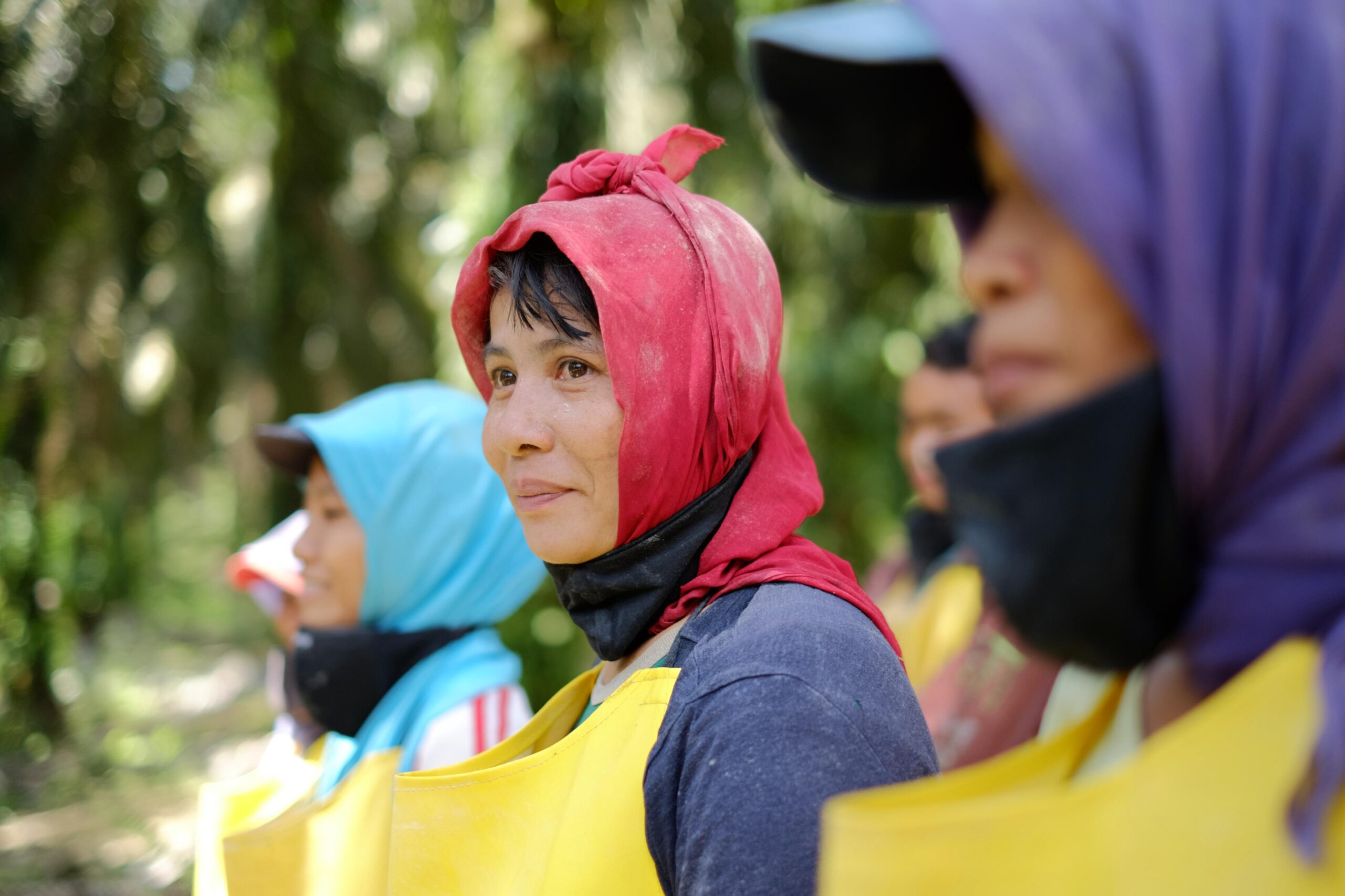
The ROHULLI Landscape and Livelihoods initiative supports 2,000 community members in developing diversified, sustainable livelihoods—60% of whom are women. In rural palm oil-producing communities, women often play central roles in managing household nutrition and finances, yet they remain underrepresented in decision-making and face significant barriers to accessing land, credit, and agricultural training. Unlocking this potential is not only a matter of equity but also a strategic investment in stronger, more resilient communities.
The provides targeted entrepreneurship training, co-funds microbusinesses, and supports the formation of women-led farmer groups. Special efforts are also made to engage youth through technology-enabled training and digital literacy programmes, equipping the next generation with skills to navigate a modernising agricultural sector. By empowering women and youth, the initiative contributes to revitalising rural economies and ensuring generational renewal within the palm oil industry.
A Model for Landscape-Level Transformation
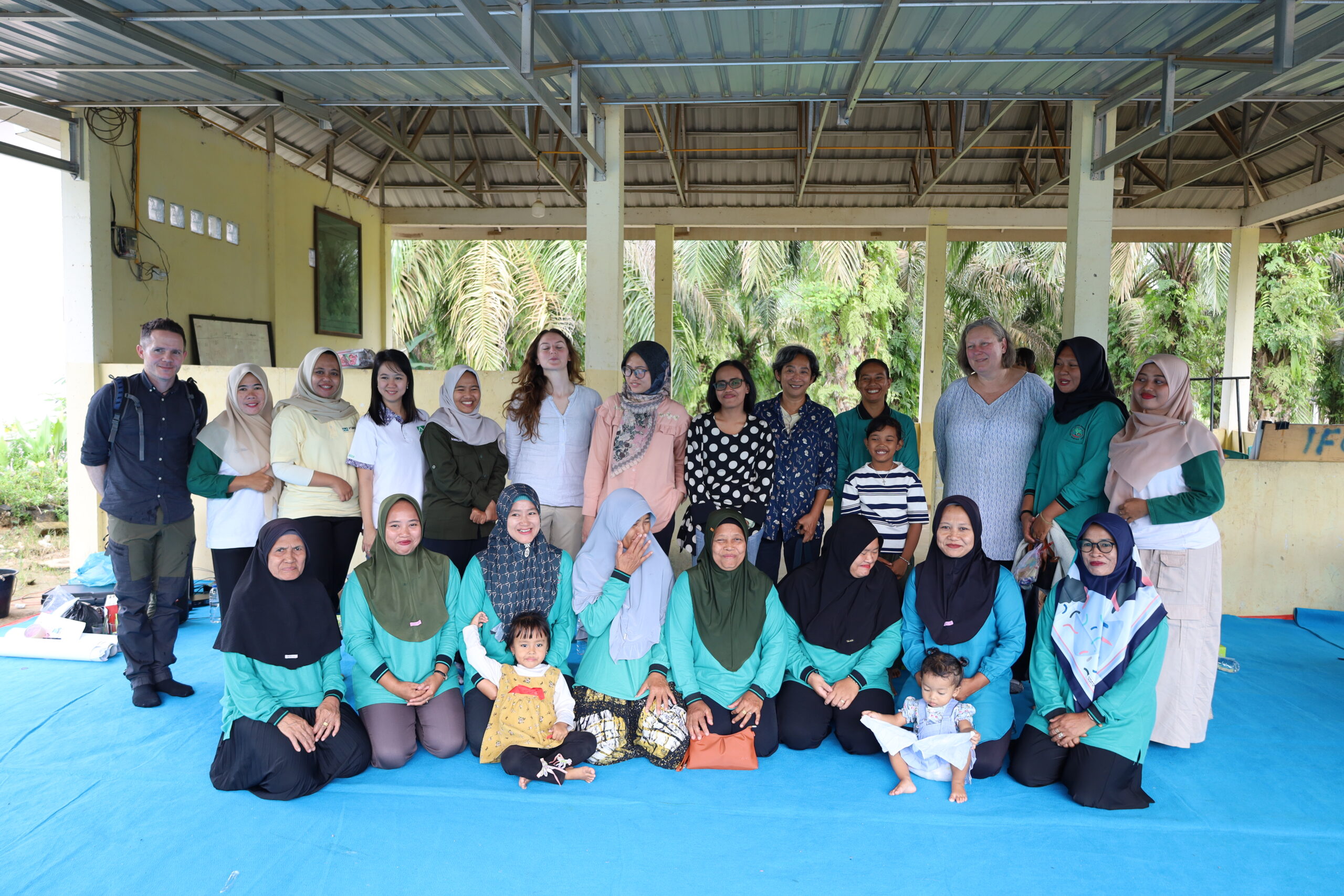
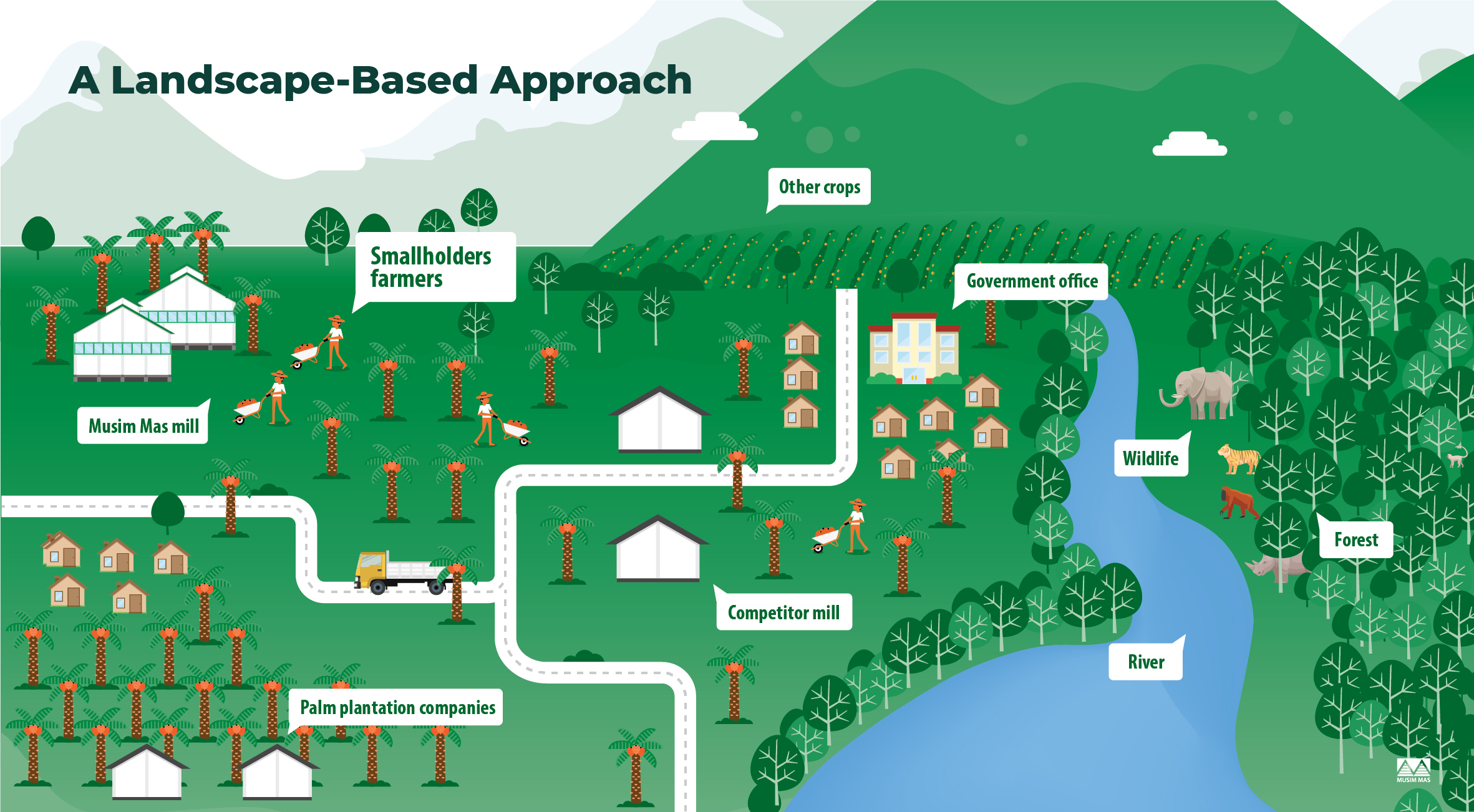
A landscape-based approach recognizes the interconnectedness of environmental, social, and economic systems across an entire region. Rather than focusing solely on individual farms or companies, the initiative engages a wide range of stakeholders, including local governments, farmer associations, NGOs, and private sector actors. Together, they work to restore degraded land, conserve high-value ecosystems, and support sustainable rural development.
This approach, adopted by the ROHULLI initiative, is particularly important in ecologically sensitive areas such as Riau, where agriculture and biodiversity conservation must coexist.
The project also serves as a model for directing investments at the landscape level in ways that are both impactful and replicable. By coordinating efforts across sectors, the initiative creates an investment blueprint that other companies, donors, and governments can adopt—one that balances environmental integrity with economic viability.
The ROHULLI initiative demonstrates that landscape approaches are not only about conservation but also about creating shared value. Cross-sector collaboration can align long-term environmental protection with commercial success, proving that sustainable production and profitability can go hand in hand when value-chain actors unite around common goals.
Conclusion: Investing in Smallholders Is Investing in the Future
As the palm oil sector faces growing ESG and regulatory pressures, smallholders must be recognized as strategic partners—not peripheral actors. They produce a significant share of global supply and manage landscapes critical to climate and biodiversity goals.
With the right tools, training, and support, smallholders can contribute to regenerative, traceable, and inclusive production. ROHULLI initiative offers a scalable model for how brands and producers can co-invest in a future that strengthens both supply chain resilience and sustainability.
2: https://gapki.id/en/news/2025/01/14/ri-seeks-to-increase-palm-oil-production-in-2025/