Musim Mas
Language

Updated on 6 May 2024 by: Yeo Yu Teng

Sustainable palm oil definition | How can palm oil be sustainable | How to find sustainable palm oil | Smallholders’ challenges | Future of palm oil

Have you ever indulged in a creamy scoop of ice cream or washed your hair with your favorite shampoo? Chances are, you’ve encountered palm oil, a popular ingredient in numerous everyday products.

But here’s the catch: alongside its widespread use comes a dilemma – the association of palm oil with deforestation and environmental concerns.

Let’s explore the stigma surrounding palm oil and examine how producers, governments, and environmental organizations are making strides towards a sustainable palm oil industry.

What is Sustainable Palm Oil?

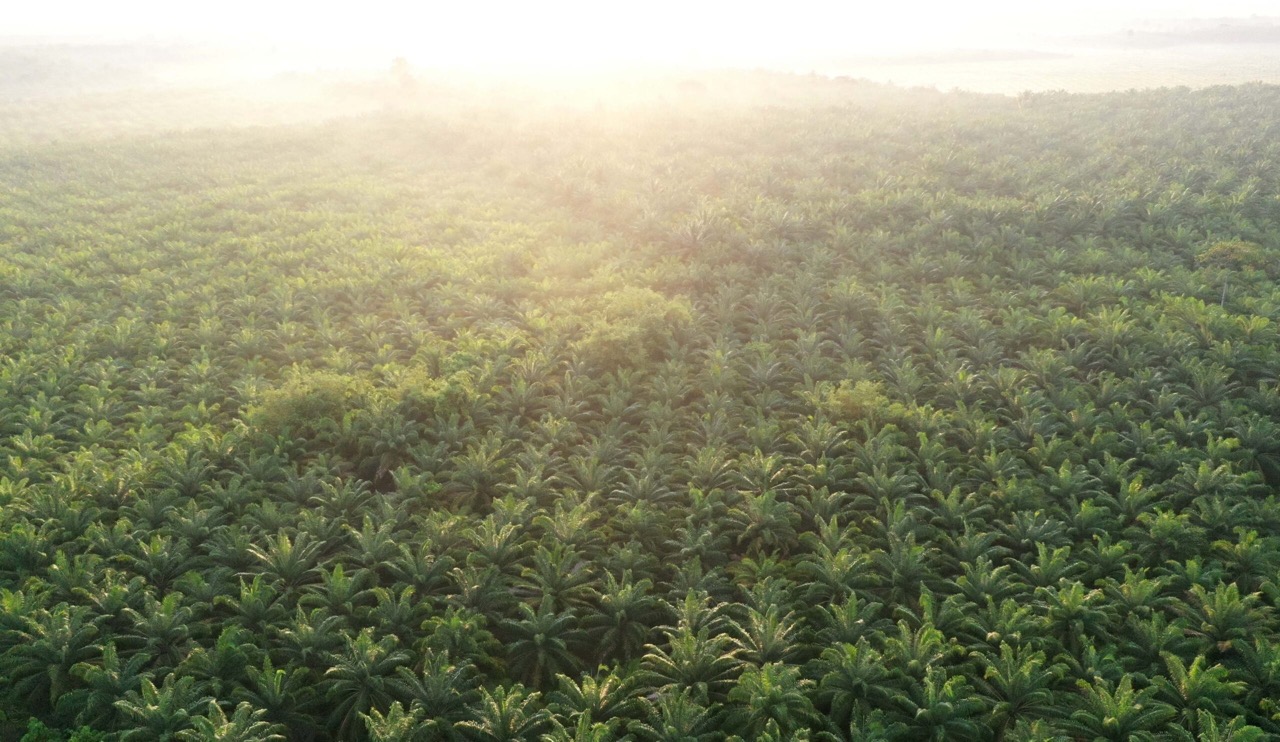
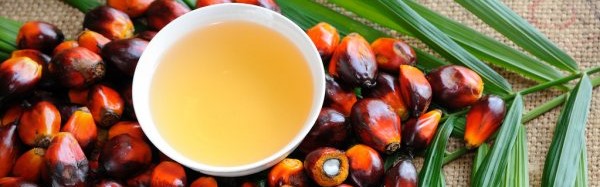
Before we dive into sustainability, let’s grasp how palm oil is made and its origins. Palm oil is a widely used edible vegetable oil that comes from the fruits of oil palm plants, which grow in tropical climates. These plants thrive in tropical climates, with Indonesia and Malaysia accounting for 90% of the global production. Once harvested, these fruits undergo processing into various palm oil products that are transported globally to meet the growing demand for oils and fats.

Hand holding up oil palm fruitlets and cross section

Now, onto the burning question: how can palm oil be sustainable? It refers to palm oil that’s cultivated, processed, distributed, and sold responsibly. This involves adhering to stringent regulations that safeguard animals, the environment, and the people involved.

Sustainably produced palm oil includes no deforestation, treating communities and workers fairly, and protecting wildlife and natural habitats. Ensuring sustainably grown palm oil is a shared goal across the industry.

The Challenge with Palm Oil

Despite its extensive use, palm oil carries a weighty baggage of environmental and social challenges.

The World Resource Institute (WRI) reveals that palm oil ranks as the second leading cause of deforestation from 2001 to 2015, replacing 10.5 million hectares of trees with palm plantations [1].

Total forest replacement by analyzed commodities

Deforestation threatens biodiversity, as forests serve as homes for various animals, including Sumatran tigers, elephants, and orangutans in Indonesian rainforests.

The loss of these habitats due to deforestation is a shared concern across different agricultural sectors, extending beyond palm oil to include soybean production.

Moreover, deforestation contributes to forest fires and transboundary haze, with many small-scale farmers resorting to cheaper slash-and-burn methods to clear land for crop cultivation. This practice emits toxic ash and smoke, polluting the air and posing health risks to individuals.

The palm oil industry also grapples with social issues, such as conflicts between companies and indigenous communities living on company concessions.

These conflicts stem from land rights disputes and often result in displacement and marginalization of indigenous peoples.

Also, allegations of worker exploitation and labour abuses on oil palm plantations cast a shadow over the industry’s social sustainability efforts. Unfortunately, these challenges aren’t confined to palm oil but extend to other agricultural sectors globally.

Unfortunately, these challenges aren’t confined to palm oil but extend to other agricultural sectors globally, making the push for sustainably farmed palm oil even more critical.

Why Banning Palm Oil Isn’t the Solution

With palm oil under scrutiny, one might wonder: why not ditch palm oil altogether?

Here’s the twist: palm oil’s efficiency sets it apart from other vegetable oils. Oil palms yield 6 to 10 times more oil per hectare of land compared to temperate oilseeds like rapeseed and sunflower [2].

Oil yields by the type of crop

If we were to replace palm oil with other oilseed crops, we would need more land to produce the same amount of vegetable oil. According to a report from the International Union for Conservation of Nature (IUCN), this would have potentially more significant negative impacts on biodiversity [3].

Recent research from Wageningen University supports this view. The study, commissioned by the Dutch Ministry of Foreign Affairs, compared palm oil, soybean, and rapeseed across key sustainability indicators up to 2040. It found oil palm remains by far the most land-efficient crop, currently producing over twice as much oil per hectare as soybean or rapeseed, and continuing to lead even under ambitious improvement scenarios. Beyond land use, the research highlights palm oil’s outsized economic contributions, its role in supporting millions of smallholder farmers, and its potential to reduce greenhouse gas emissions through improved practices—challenging the notion that temperate oil crops are more sustainable alternatives.

Area of land needed to meet the worlds demand for vegetable oil

Plus, oil palms have a longer lifespan. They flower and produce fruits across different seasons and remain productive even after 25 years.

This enables farmers to harvest and sell the fruits throughout the year and across many years, ensuring a steady income source.

Conversely, annual oil crops, like rapeseed, sunflower, or soy, only grow once a year and die after one season. Imagine the substantial costs and labour involved if the farmers had to cut down the crops and plant new ones after every harvest and year.

Oil Palm Smallholder in plantation in Indonesia

Let’s not forget about the small-scale farmers in Indonesia. With over 2.6 million of them, many struggle with poverty. Palm oil is their lifeline, providing their families with food, shelter, and education.

According to the Palm Oil Agribusiness Strategic Policy Institute (PASPI), for every 10% increase in palm oil production, poverty decreases by 7.7% [4].

Promoting sustainably sourced palm oil not only benefits the environment but also supports livelihoods, aligning with the United Nations’ Sustainable Development Goals.

How Can Palm Oil Be Sustainable?

So, how can palm oil be sustainable? Palm oil companies are embracing policies like NDPE (No Deforestation, No Peat, No Exploitation).

These require farmers to stop burning land, assess land before starting new plantations, and get permission from local communities before using the land, all key measures in producing sustainably farmed palm oil.

Certification systems like the Roundtable on Sustainable Palm Oil (RSPO) provide standards for sustainably produced palm oil, promoting transparency and accountability within the industry. 

The RSPO Principles and Criteria (P&C) standards are updated every five years to ensure continued relevance. 

Sustainably grown palm oil certified by organizations like the RSPO also delivers higher average yields, enhancing sustainability and efficiency.

Chart showing the yield comparison of certified sustainable palm oil, normal palm oil

With the collective effort of companies, governments, and NGOs, deforestation linked to palm oil has started to decline in Indonesia, marking progress in the shift toward sustainably farmed palm oil [5].

Deforestation in outside palm oil concessions in indonesia

How Musim Mas Ensures Sustainably Produced Palm Oil

Musim Mas is a key player championing sustainably produced palm oil through several initiatives:

NDPE Policies

Firstly, Musim Mas’ NDPE policy ensures sustainably grown palm oil while safeguarding communities, workers, and indigenous rights. This applies across its plantations and third-party suppliers.

RSPO Certification

Additionally, all Musim Mas mills with integrated plantations are RSPO-certified, meeting stringent requirements for sustainably produced palm oil.

Net Zero

Musim Mas is also committed to achieving net-zero emissions by 2050, contributing to sustainable palm oil production that aligns with global climate targets. 

As per the Science Based Targets Initiative (SBTi), this commitment resonates with the ambitious targets of the Paris Agreement, aiming to limit global warming to 1.5°C.

Collaborations

Musim Mas pushes for positive change in the industry on multiple levels. We strengthen our mission to produce sustainably farmed palm oil and foster broader industry change through collaborations and partnerships, which include:

      • the Consortium of Resource Experts (CORE)
      • Decent Rural Living Initiative (DRLI)
      • Earthqualizer
      • Fire-Free Alliance
      • Indonesia Sustainable Palm Oil (ISPO) working group
      • South East Asia Rainforest Research Partnership (SEARRP) 
      • and many more

How to Find Sustainably Produced Palm Oil

As consumers, we can support sustainably produced palm oil by looking for certifications like RSPO on product packaging.

Just take a peek at the packaging – if you spot the RSPO logo, you’re on the right track. The RSPO trademark label comes in three types:

  • Identity Preserved & Segregated
  • Mass Balance
  • RSPO Credits.

If you’re more of a digital detective, hop onto the RSPO’s website or download their mobile app buying guide for sustainably sourced palm oil options in global supermarkets.

Another ace up your sleeve is WWF’s Palm Oil Buyers’ Scorecard [6]. This handy scorecard evaluates over 200 retailers, manufacturers, and food service companies, revealing their commitment to Certified Sustainable Palm Oil.

Challenges for Smallholder Farmers in Sustainable Palm Oil Production

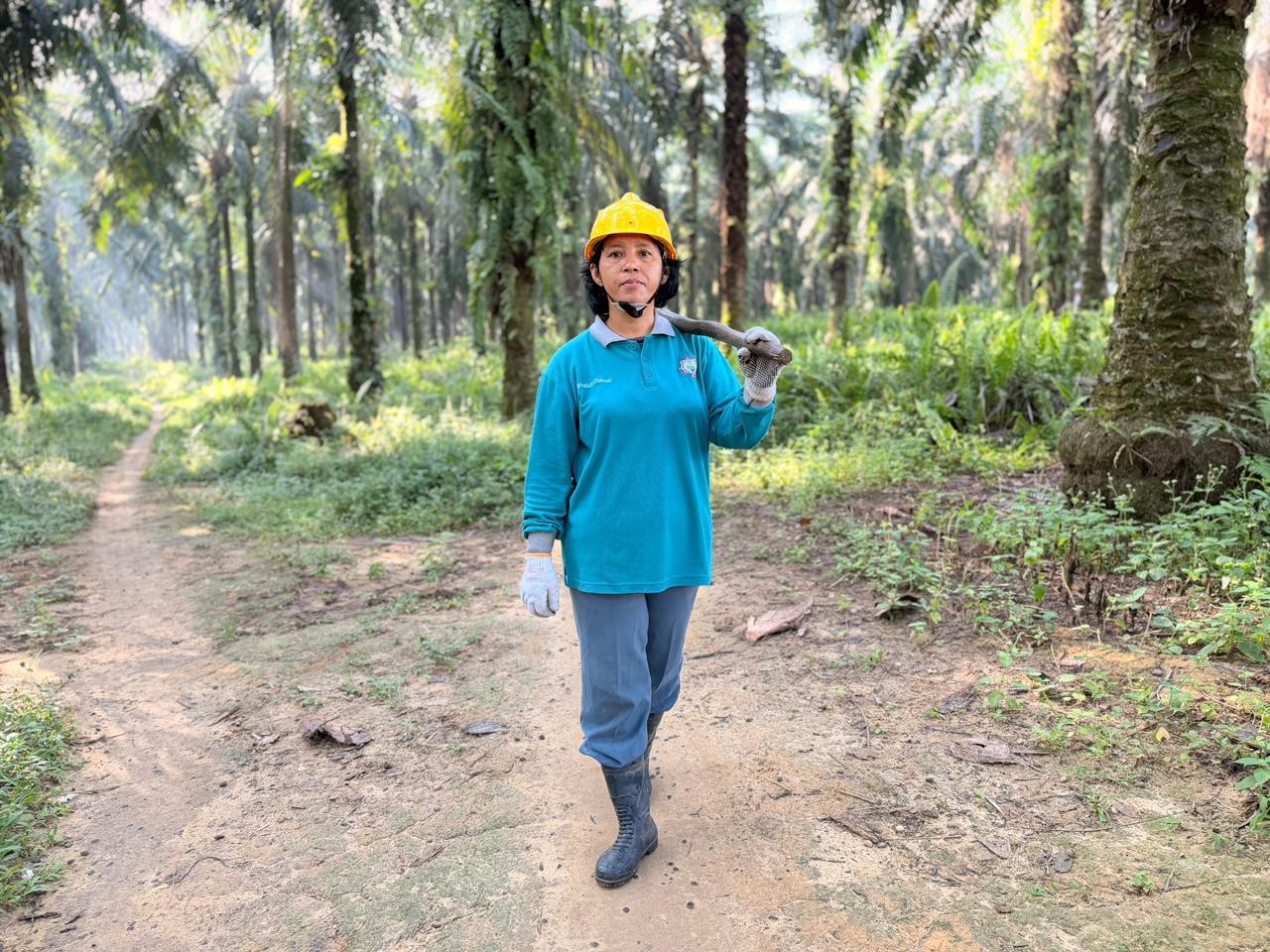
Smallholders, who own plots under 20 hectares, make up 41% of Indonesia’s oil palm plantations. 

Yet, many face hurdles in adopting sustainably farmed palm oil practices, such as lack of knowledge, financing, and market access. 

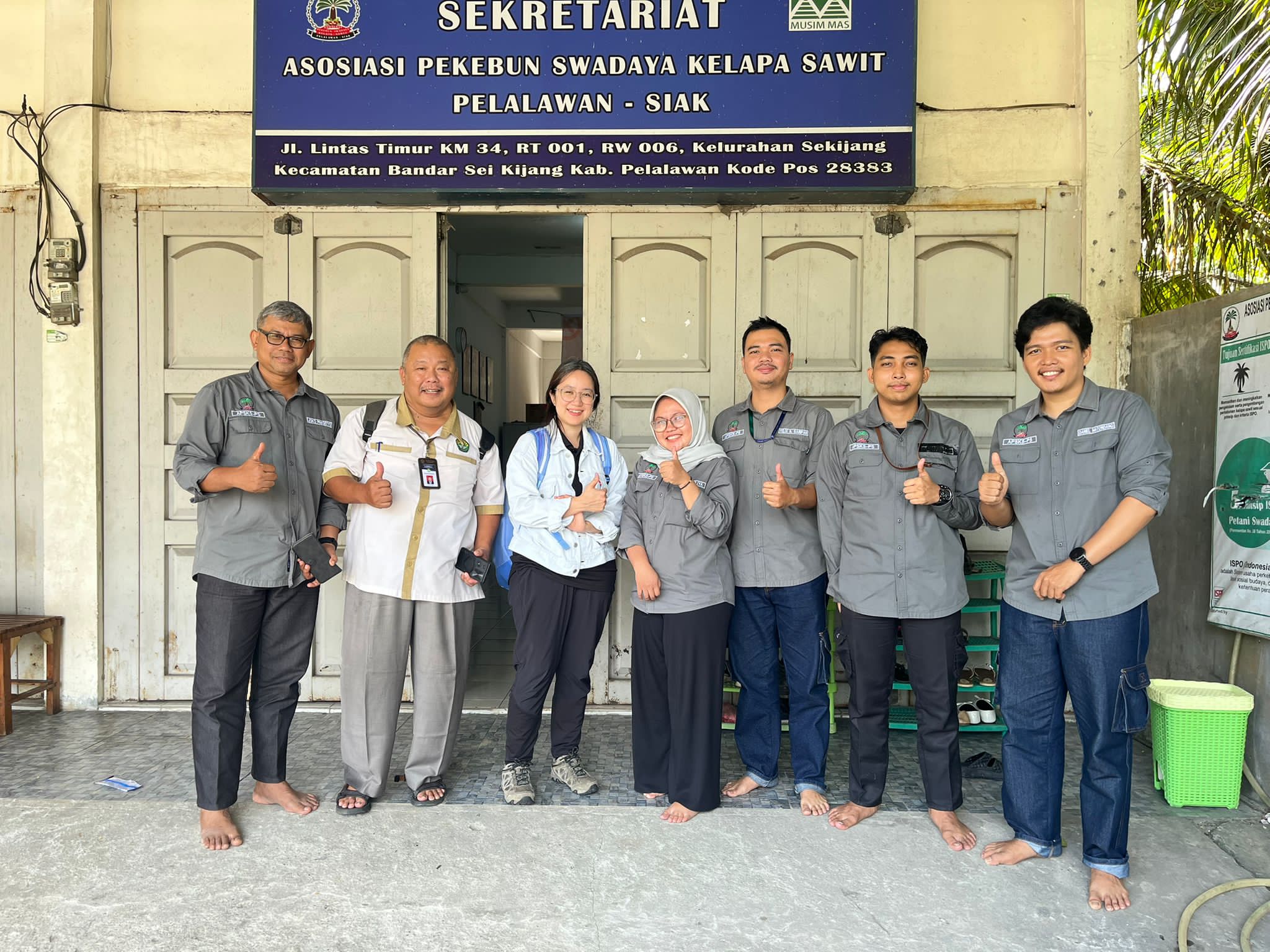
Musim Mas’ Smallholders Program helps overcome these barriers by providing training and support to improve sustainably grown palm oil yields and farmer livelihoods.

Hurdles Faced by Smallholders

  • Lack of Agricultural Knowledge: Many smallholders lack access to proper agricultural practices needed to boost their agricultural yields.
  • Financial Constraints: Limited access to finance makes it difficult for smallholders to purchase fertilizers, replant aging crops, and implement sustainable practices such as no burning.
  • Poor Quality Planting Materials: Issues with obtaining high-quality planting materials contribute to lower crop yields and hinder farmers’ ability to maximize their production.
  • Limited Market Access: Smallholder farmers often struggle to access profitable markets for their produce, reducing their ability to sell their products at higher prices.
  • Financial Literacy and Business Skills: Many smallholders lack financial literacy and business planning skills, which are essential for managing their farms effectively and improving profitability.

These challenges result in lower profitability and sustainability standards for smallholder farmers. Research from the International Finance Corporation (IFC), a member of the World Bank, indicates that independent smallholders’ yield can be significantly lower, up to 116%, compared to company-owned plantations in Indonesia.

Musim Mas’ Smallholders Program

In response to these challenges, Musim Mas has developed the Smallholders Program to support smallholder farmers in improving their livelihoods and sustainability practices.

The program, aligned with Musim Mas’ NDPE policy, focuses on providing training in good agricultural practices, financial literacy, and personal nutrition.

Since its inception, Musim Mas’ Smallholders Program has trained over 36,700 smallholders in Indonesia as of December 2023, empowering them to become better farmers and improve their livelihoods.

Through initiatives like this, Musim Mas is working to address the challenges smallholder farmers face and promote sustainable palm oil production in Indonesia.

smallholder farmers sustainable palm oil production


The Future of Sustainable Palm Oil Production

A challenge looms ahead as we gaze into the future. The global population is expected to hit 10 billion by 2050, and we need to produce 56% more food while using less land to feed this population [7].
Sustainably produced palm oil will be essential in meeting this demand without further harming ecosystems.

Yet, there’s a hitch. Low demand for sustainable palm oil makes it less enticing for farmers to produce, creating a stalemate situation.

Without demand, producers have little incentive to obtain certification like RSPO, which sets standards for sustainable palm oil.

On the flip side, prioritizing food security over sustainability drives up demand for conventional palm oil, discouraging sustainable production due to higher costs and market challenges.

So, what’s the solution? The responsibility is shared—governments, companies, and especially consumers all play a role in shaping market demand. By actively choosing sustainably farmed palm oil, we can support responsible production practices and move collectively towards a greener, more resilient future.



References:

[1] https://research.wri.org/gfr/forest-extent-indicators/deforestation-agriculture
[2] https://portals.iucn.org/library/node/47753
[3] https://www.academia.edu/6827263/The_future_of_oil_palm_as_a_major_global_crop_opportunities_and_challenges
[4] https://gapki.id/en/news/2022/01/12/palm-oil-plays-significant-role-in-reducing-global-poverty/
[5] https://satelligence.com/signatories-of-the-agriculture-sector-roadmap-to-15c-have-a-secret-weapon-to-defeat-deforestation/
[6] https://palmoilscorecard.panda.org/#/home
[7] https://www.wri.org/insights/how-sustainably-feed-10-billion-people-2050-21-charts