Palm oil is one of the most versatile vegetable oils in the world, but it doesn’t always come as a single uniform product. Through a process called fractionation, palm oil is separated into two distinct components: palm olein and palm stearin. Each fraction has its own set of physical properties, functional characteristics, and applications in food manufacturing and beyond.
For food manufacturers, formulators, and ingredient sourcing professionals, understanding the difference between these two fractions is essential for making informed decisions in product development. This article breaks down what each fraction is, how they differ, and how to choose the right one for your formulation.
What Is Palm Oil Fractionation?
Fractionation is a physical separation process, no solvents, no chemical reactions. Refined palm oil is first gently heated to a liquid state, then slowly cooled to a controlled temperature. As it cools, different triglycerides crystallize at different rates. The solid crystals that form (the stearin fraction) are then separated from the remaining liquid through filtration.
This process yields two fractions:
• Palm olein, the liquid fraction with a lower melting point
• Palm stearin, the solid fraction with a higher melting point
Because fractionation is a purely physical process, it produces natural, trans-fat-free fractions, an important advantage for manufacturers seeking cleaner label ingredients. Fractionated palm oil can also be further processed to yield specialty fractions such as super olein or palm mid fraction (PMF), used in highly specialized food applications.
What Is Palm Olein?
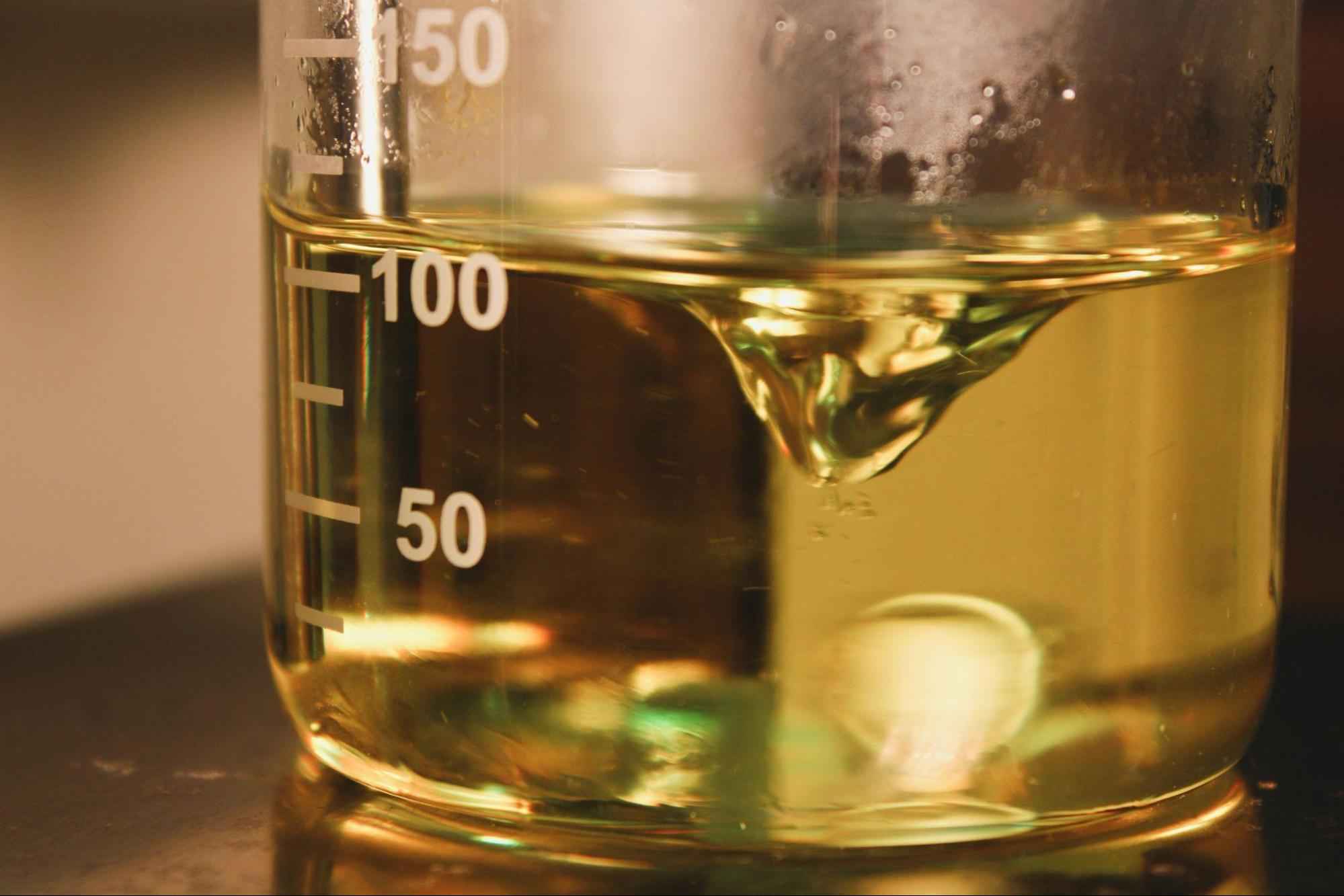
Palm olein is the liquid fraction of palm oil, remaining fluid at ambient temperature due to its lower melting point (typically around 19–24°C). It is golden-yellow in color, mild in taste, and clear in appearance, properties that make it highly suitable for a wide range of food applications.
Palm olein is rich in oleic acid (a monounsaturated fatty acid), which contributes to its fluidity and relatively balanced fatty acid profile. It also has a naturally high smoke point, making it stable under high-heat cooking conditions.
Common applications of palm olein:
• Cooking oil and blended vegetable oils
• Frying oil for snacks, instant noodles, and fried foods
• Salad dressings, marinades, and sauces
• Food service and commercial kitchen applications
Palm olein’s oxidative stability and resistance to breakdown at high temperatures make it a preferred choice for repeated-use frying, a key advantage in high-volume food production environments.
What Is Palm Stearin?
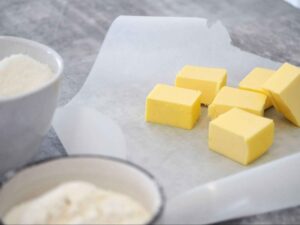
Palm stearin is the solid fraction of palm oil, with a higher melting point (typically 44–56°C depending on the grade). At room temperature, it appears as a white-to-pale yellow solid or semi-solid. Palm stearin has a higher saturated fat content than palm olein, primarily palmitic and stearic acids, which give it excellent structural and stability properties.
Common applications of palm stearin:
• Margarine and fat spreads
• Bakery shortenings and pastry fats
• Vegetable ghee and confectionery fats
• Soaps, candles, and oleochemicals
Palm stearin is available in soft, hard, and super-hard grades, each with different melting profiles and applications. Soft stearins are commonly used as components in shortenings and margarines, while harder grades serve as structural fats or hard stock in more specialized formulations.
Because palm stearin is a natural source of solid fat, it can reduce or eliminate the need for hydrogenated fats in many formulations, supporting the industry’s move away from trans fats.
Palm Olein vs Palm Stearin: Key Differences at a Glance
The table below summarizes the core differences between the two fractions:
| Property | Palm Olein | Palm Stearin |
| Physical state at room temp | Liquid | Solid / semi-solid |
| Melting point | ~19–24°C | ~44–56°C (grade dependent) |
| Dominant fatty acids | Oleic acid (monounsaturated) | Palmitic acid (saturated) |
| Color & appearance | Clear golden liquid | White/pale yellow solid |
| Primary use | Frying, cooking oils | Margarine, shortening, bakery fats |
| Texture contribution | Fluidity and pourability | Structure, firmness, aeration |
| Trans fat content | None (natural fraction) | None (natural fraction) |
When to Use Palm Olein vs Palm Stearin
The choice between palm olein and palm stearin comes down to the functional role fat plays in your product:
Choose palm olein when you need:
• A liquid or pourable oil for frying, cooking, or blending
• Clarity and mild flavor in dressings or sauces
• Stability under repeated high-heat conditions
Choose palm stearin when you need:
• A solid fat for margarine, shortening, or bakery applications
• Structure, firmness, or aeration in baked goods and spreads
• A natural trans-fat-free hard fat alternative to hydrogenated oils
Some formulations benefit from blending both fractions, for instance, frying fats that combine stearin’s oxidative resistance with olein’s fluidity. This kind of tailored approach is common in industrial food production.
Find the Right Palm Oil Fraction for Your Formulation
Musim Mas offers a comprehensive range of palm oil fractions, from RBD Palm Olein to RBD Palm Stearin, sourced sustainably and processed to meet stringent quality standards. Whether you are developing a cooking oil, a bakery fat, or a specialty food ingredient, our technical team can help you identify the right solution. Explore our palm oil product range or contact our team to discuss your formulation needs.
Frequently Asked Questions about Palm Olein vs Palm Stearin
1. What is the difference between palm olein and palm stearin?
Palm olein is the liquid fraction of palm oil (lower melting point, fluid at room temperature), while palm stearin is the solid fraction (higher melting point, solid or semi-solid at room temperature). They are produced through fractionation and have different fatty acid profiles and applications.
2. Is palm olein healthier than palm stearin?
Both are natural, trans-fat-free fractions. Palm olein has a higher proportion of monounsaturated fats (oleic acid), while palm stearin is higher in saturated fats (palmitic acid). Neither is universally “healthier”, the appropriate choice depends on the food application and the overall formulation context.
3. What is palm stearin use for?
Palm stearin is commonly use in margarine, bakery shortenings, vegetable ghee, confectionery fats, soaps, and candles. It provides structure and stability in products that require solid fat functionality.
4. Why is palm olein use for frying?
Palm olein is prefer for frying due to its high smoke point, oxidative stability, and resistance to breakdown at elevate temperatures. It maintains clarity and neutral flavor even under repeated use, making it cost-effective for commercial frying.
5. How is palm oil separate into fractions?
Through dry fractionation, refine palm oil is heated, slowly cooled to a controll temperature to allow crystallization of the solid stearin fraction, and then filter to separate the solid stearin from the liquid olein.