By: Chang Rui Jia
Health Benefits of Palm-Based Cooking Oil | Common Uses of Palm-Based Cooking Oil | How to Choose Quality Palm-Based Cooking Oil | Practical Tips for Healthy Use | A Balanced and Versatile Choice | Frequently Asked Questions (FAQ)
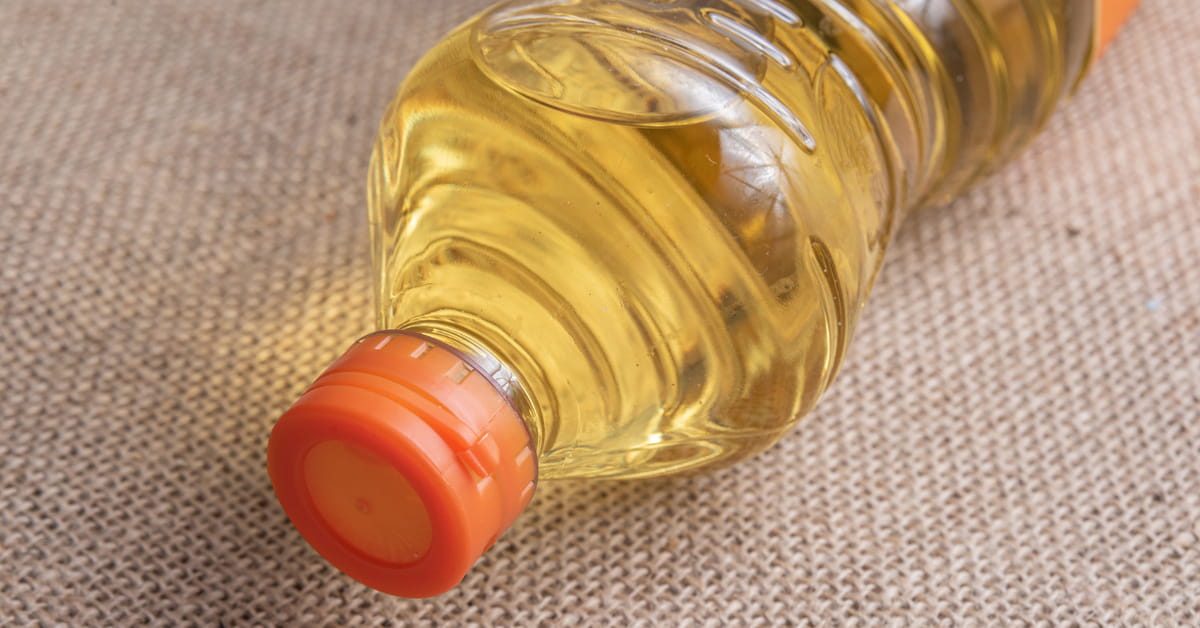
Palm-based cooking oil has long been a staple in kitchens worldwide, appreciated for its versatility, heat stability, and naturally rich nutrient profile.
Whether it’s used for everyday stir-fries or traditional dishes with bland flavors, this plant-derived oil brings both culinary benefits and essential nutrients to the table.
As more consumers look for healthier and sustainably produced cooking oils, palm-based cooking oil continues to stand out as an accessible and balanced choice.
Below, we explore its key health benefits, everyday uses, and how to choose the right type for your kitchen.
Health Benefits of Palm-Based Cooking Oil
Palm-based cooking oil contains a mix of nutrients that support overall health, making it more than just a functional cooking ingredient.
One of the standout components is its carotenoid content, especially in palm oil.
Palm oil contains the richest natural plant source for provitamin A carotenoids that imparts an orangey-red color.
In fact, red palm oil contains 300 times more than tomatoes, 44 times more than leafy vegetables, and 15 times more carotenoids than carrots.
Provitamin A carotenoids are fat-soluble pigments that require fat for conversion into vitamin A.
Vitamin A is an essential nutrient and powerful antioxidant to support vision, the immune system, growth, and skin health.
Palm oil is also one of the naturally abundant sources of vitamin E that exists in two forms: tocotrienols and tocopherol, with strong antioxidant properties.
These powerful antioxidant properties protect our body from the harmful effects of free radicals.
Another advantage of palm oil is that it is a trans fat-free vegetable oil with a naturally balanced composition of unsaturated and saturated fatty acids.
Palm-based cooking oil contains about 40% of monounsaturated fatty acids (oleic acid), a heart-friendly monounsaturated fat that lowers low-density lipoprotein (LDL) cholesterol.
Studies show that palm oil is a nutritious vegetable oil suitable for consumption as part of a healthy and balanced diet.
It is cholesterol-free and reduces the risk of heart disease, and its balanced fatty acid composition and phytonutrients aid in promoting good health.
Common Uses of Palm-Based Cooking Oil
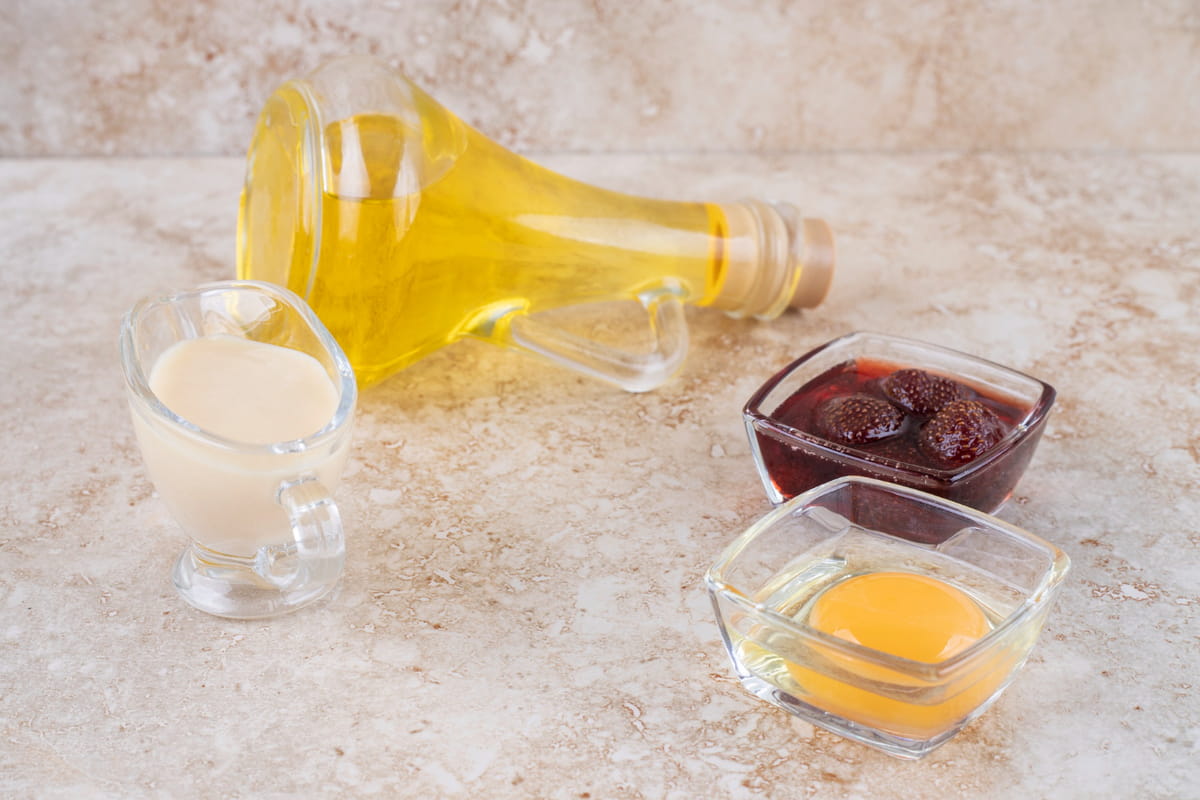
Palm-based cooking oil is a culinary staple due to its positive characteristics and health benefits.
One of the biggest reasons it is widely used is due to its high oxidative stability, which is the best choice for cooking.
Its naturally high smoke point makes it ideal for different cooking methods like deep-frying, stir-frying, and pan-searing, where heat stability of cooking oil is essential.
Because it resists breaking down easily, it helps preserve flavor and maintain food quality.
Palm-based cooking oil also works well in every dish. It is odorless and has a bland taste, which helps bring out the authentic flavors of each dish. This also makes it suitable for:
Read More: A World Food Day Reflection: Why Dietary Fats Matter for Nutrition and Food Innovation
How to Choose Quality Palm-Based Cooking Oil
Choosing the right palm-based cooking oil depends on your cooking habits and personal preferences.
A good starting point is to look for sustainably sourced products, particularly those certified by the Roundtable on Sustainable Palm Oil (RSPO) or equivalent standards.
This ensures the oil is produced with responsible agricultural practices that support ethical and environmentally conscious palm cultivation.
Next, consider the type of palm-based cooking oil you need:
- Refined palm-based cooking oil works well for all-purpose cooking thanks to its neutral taste and high heat stability.
- Red palm oil is nutrient-dense and has a unique taste and aroma, making it ideal for traditional recipes or dishes that benefit from added color and richness.
Quality also depends on clear labelling. Packaging should indicate the production date, storage instructions, and origin.
Brands that emphasize transparency and supply-chain traceability often provide more consistent quality and assurance.
Practical Tips for Healthy Use
Palm-based cooking oil can easily fit into a balanced diet when used thoughtfully. The key is moderation and variety.
Pairing it with other healthy oils like olive or canola oil helps create a more diverse fat profile in your meals.
It also works well in nutrient-rich dishes, for example, vegetable stir-fries or marinades, to maximize the absorption of vitamins.
While palm oil is excellent for frying, it’s best to limit frequent deep-frying and explore healthier alternatives such as baking, steaming, or grilling.
If you enjoy experimenting, try incorporating red palm oil sparingly to add as a natural food colorant, adding nutritional value like antioxidants and a unique flavor profile.
Read More: Understanding Trans Fat: Health Risks, Global Regulations, and Trans Fat-Free Solutions
A Balanced and Versatile Choice
Palm-based cooking oil is a practical choice for everyday cooking. It offers nutrients, good heat stability, and reliable performance across many dishes. When used in moderation, it fits well within a balanced diet.
If you want a trusted and consistent option, Musim Mas is one of the world’s leading suppliers of high-quality palm-based cooking oil.
The company operates a fully integrated supply chain and maintains strict quality control from plantation to production.
Our products also come with strong sustainability commitments, including RSPO certification and transparent traceability. Don’t hesitate to contact us to learn more!
Frequently Asked Questions (FAQ)
Is palm-based cooking oil healthy?
Yes. It contains carotenoids, vitamin E (tocotrienols and tocopherol), and a balanced composition of unsaturated fatty acids and saturated fatty acids. When consumed in moderation, it can be part of a healthy diet.
Is palm-based cooking oil suitable for frying?
Absolutely. Its high smoke point and high oxidative stability make it ideal for frying, stir-frying, and grilling.
What’s the difference between red palm oil and refined palm oil?
Red palm oil retains more natural nutrients and color, while refined palm oil has a neutral taste and is suitable for all-purpose cooking.
How can I tell if my palm-based cooking oil is sustainably produced?
Look for RSPO certification or clear sustainability commitments on the label.
Can palm-based cooking oil fit into a balanced diet?
Yes, especially when paired with whole foods and rotated with other healthy oils.