By: Chang Rui Jia
The Molecular Edge: Why Chemistry Matters | Beyond the Kitchen: A Key Ingredient in Sustainable Innovation | From Food to Formulation: Why Sustainability Matters | Why Oleic Acid Is Key to Sustainable Fatty Acid Formulations | Frequently Asked Questions (FAQ)
While most people associate oleic acid with olive oil or healthy cooking, its utility extends far beyond the kitchen.
Today, it is a cornerstone of modern manufacturing, a renewable, bio-based building block that helps industries move away from petroleum-dependent ingredients.
Its chemical structure, natural origin, and functional versatility make it a valuable building block across a wide range of formulations.
Below, we explore what oleic acid is, how it’s used beyond food, and why it has become central to modern sustainable solutions.
The Molecular Edge: Why Chemistry Matters
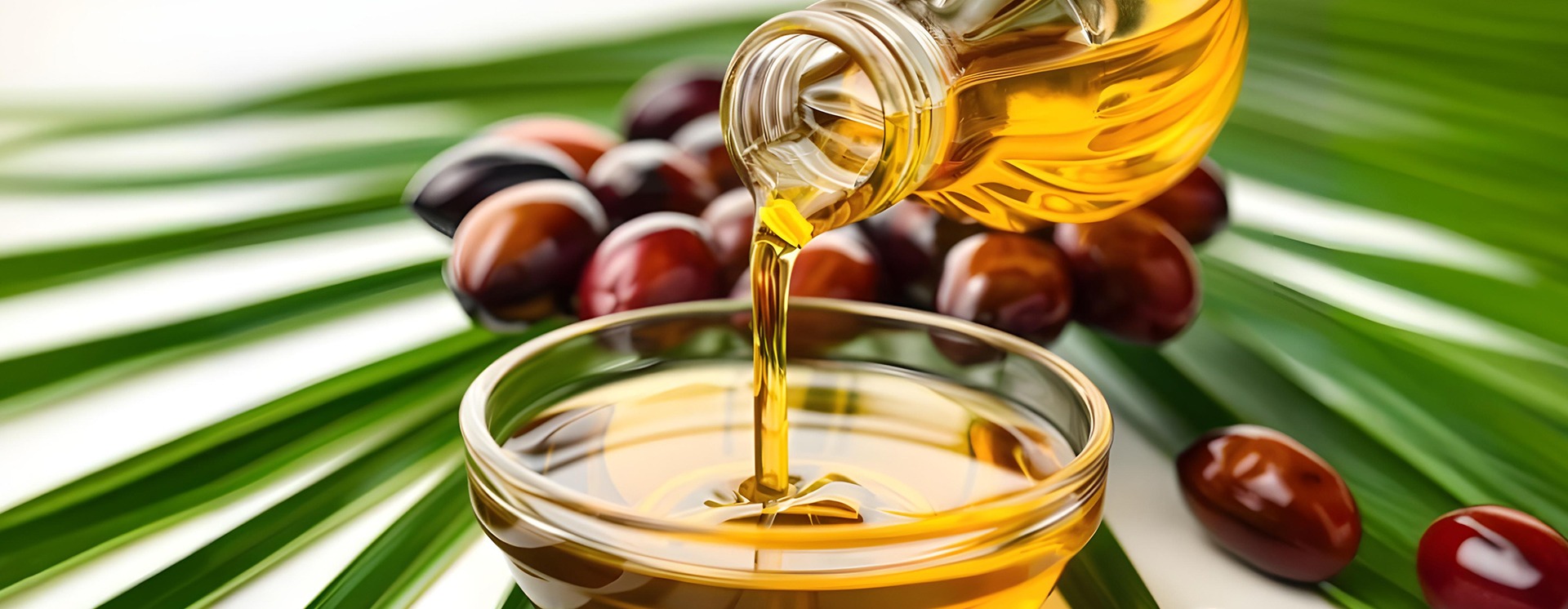
Oleic acid is a monounsaturated omega-9 fatty acid naturally present in plant oils such as palm oil, olive oil, and sunflower oil.
From a chemical perspective, it’s an 18-carbon fatty acid with one double bond at the ninth carbon, a structure that provides an ideal balance of stability and flexibility. Its molecular formula is C₁₈H₃₄O₂.
At room temperature, oleic acid remains liquid and is largely odorless, making it easy to handle in both industrial and consumer applications.
It also exhibits high resistance to oxidation compared to many polyunsaturated fatty acids, contributing to longer shelf life and greater formulation stability under varying conditions.
This stability allows products formulated with oleic acid to maintain performance and shelf life under varying conditions.
Another important feature is biodegradability. Oleic acid is compatible with organic solvents, naturally breaks down over time, and readily integrates into bio-based formulations, making it a sustainable choice for “green” applications.
Because of these characteristics, oleic acid applications are increasingly viewed as a renewable alternative to petrochemical or animal-derived ingredients.
Palm oil and palm kernel oil typically contain between 16% and 40% oleic acid. This concentration makes palm-based sources particularly efficient and scalable for industrial use, supporting a consistent supply for high-volume applications.
Purity levels can vary, typically ranging from 70% to over 90%, depending on the source and refining process.
Beyond the Kitchen: A Key Ingredient in Sustainable Innovation
Industrial Powerhouse: High-Performance Applications
In industrial settings, oleic acid functions as more than a simple additive. It plays an active role in improving material performance and process efficiency.
In plastics and polymer manufacturing, oleic acid acts as a bio-based plasticizer, lubricant, and compatibilizer.
It improves flexibility and flow during manufacturing and helps improve thermal stability while reducing energy requirements during processing.
In addition, it can enhance mechanical strength and barrier properties, supporting product durability without relying entirely on petroleum-based additives.
Oleic acid applications are also well established in printing inks and surface coatings.
Here, it supports pigment dispersion and provides a smooth, consistent finish for high-quality printing.
It also contributes to viscosity control and curing efficiency, resulting in more consistent color, smoother textures, and longer-lasting finishes.
Its function as an emulsifier and surface modifier aligns well with the shift toward eco-friendly coating formulations.
In textiles and lubricants, oleic acid contributes to fiber finishing by providing lubrication and softness.
It reduces friction and softens fibers without the environmental toll of mineral oils.
At the same time, it serves as a biodegradable processing aid, helping manufacturers reduce environmental impact while maintaining product quality.
Beauty & Health: A Natural Booster
Oleic acid has long been used in personal care because of its compatibility with human skin.
It’s considered a “skin-mimetic” ingredient, meaning it works in harmony with the skin’s natural oils.
As a natural emollient, it helps improve skin feel by softening and smoothing the surface without leaving a heavy residue.
Another key function is penetration enhancement. Oleic acid helps active ingredients absorb more effectively, improving overall formulation performance. This allows vitamins and nutrients to reach deeper into the dermis.
In creams and lotions, it also works as an emulsifier and stabilizer, maintaining uniform texture and preventing separation.
Because it’s plant-derived and biodegradable, oleic acid is well aligned with clean-label trends in personal care. It’s commonly found in products such as:
-
- Body lotions and serums that focus on moisture retention
- Soaps formulated for mild cleansing and skin comfort
- Haircare products and lip balms that enhance softness and manageability
Its versatility allows formulators to balance performance with consumer expectations for natural and responsible ingredients.
In luxury formulations, it contributes to a soft, non-greasy skin feel, ideal for premium lotions and skincare.
Pharmaceuticals: Safe, Stable, and Scientifically Proven
In pharmaceutical formulations, oleic acid is valued for its safety profile and chemical reliability.
It’s commonly used as an excipient, solvent, or emulsifier in both topical and oral dosage forms.
One of its key advantages is improved bioavailability. Oleic acid helps increase the solubility of active pharmaceutical ingredients, allowing drugs to be absorbed more efficiently.
This makes it a reliable carrier for oral medications that require enhanced absorption.
In topical products such as creams, gels, and aerosols, it also functions as a penetration enhancer, supporting effective delivery through the skin.
It’s especially useful in formulations like transdermal patches and aerosol sprays, where consistent release and skin compatibility are essential.
Because it’s biocompatible and chemically stable, oleic acid meets pharmaceutical-grade quality requirements.
These properties make it a trusted component in formulations where consistency, safety, and regulatory compliance are essential.
Its multifunctional role contributes to both efficacy and product stability across a wide range of drug delivery systems.
Read More: Accountability Framework-Musim Mas: A conversation on the business case for supply chain action
From Food to Formulation: Why Sustainability Matters
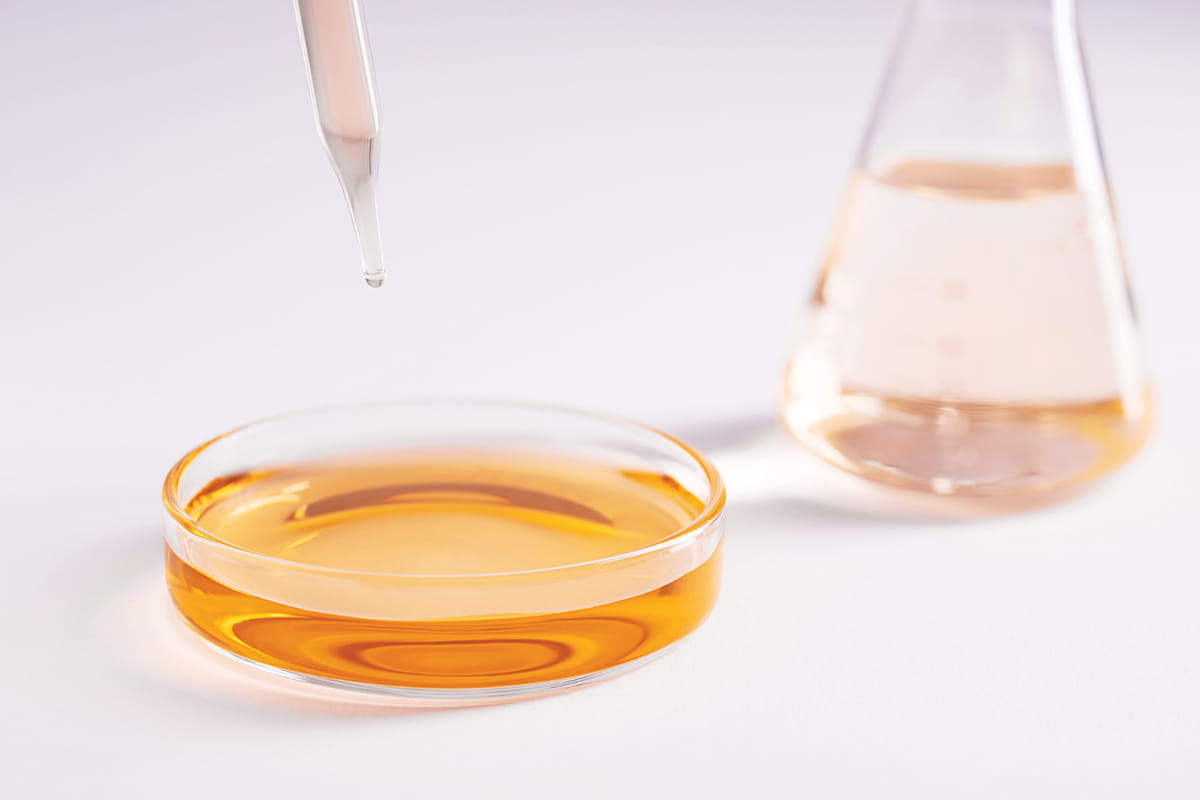
Beyond performance, sustainability plays a growing role in oleic acid applications, and it all starts with sourcing.
Palm-based oleic acid offers a renewable, plant-based alternative to synthetic chemicals.
When derived from certified sustainable palm oil, it supports responsible land use, efficient yield management, and environmental protection.
Certification frameworks such as RSPO and ISCC ensure ethical practices and supply-chain transparency.
Traceability is a key pillar of oleic acid’s sustainability story. Fully integrated supply chains, from plantation to refinery, ensure every drop is ethically sourced.
This integrated approach improves resource efficiency, reduces waste, and supports consistent quality.
Oleic acid also carries a low carbon footprint. By replacing petrochemicals with a biodegradable, plant-based option, manufacturers can lower emissions and move closer to their Net Zero targets.
Initiatives such as replanting and traceability programs help secure long-term supply while reinforcing oleic acid’s role in the circular economy.
On a molecular level, oleic acid combines stability, adaptability, and biodegradability, making it ideal for low-impact, high-performance applications.
Its unique structure supports use across a wide range of industries, from renewable surfactants and bio-lubricants to sustainable polymers and industrial additives.
This versatility is why oleic acid continues to gain traction as a foundational ingredient in green chemistry and eco-conscious innovation.
Read More: A World Food Day Reflection: Why Dietary Fats Matter for Nutrition and Food Innovation
Why Oleic Acid Is Key to Sustainable Fatty Acid Formulations
At Musim Mas, we deliver sustainable, high-quality lauric and oleic acids trusted across industries.
Derived from renewable, non-GMO palm and coconut oils, our ingredients are processed using eco-efficient technologies that minimize waste, enhance energy efficiency, and comply with global ESG standards.
Our oleic acid solutions support brands in achieving both performance and sustainability, from personal care and household products to industrial applications.
We manufacture high-purity oleic acid exceeding 90%, specifically engineered for demanding formulations.
With a global supply network spanning 14 countries, Musim Mas ensures reliable delivery, consistent quality, and market access across the USA, China, India, UAE, Indonesia, and beyond.
Contact our team today to explore how our oleic offerings can power your next product innovation, naturally, responsibly, and efficiently.
Frequently Asked Questions (FAQ)
1. What are oleic acid applications used for?
Oleic acid applications include industrial additives, personal care formulations, pharmaceuticals, and sustainable materials, where it functions as a plasticizer, emulsifier, or solvent.
2. Why is oleic acid suitable for industrial formulations?
Its chemical stability, oxidation resistance, and liquid form make oleic acid reliable for high-performance and processing-efficient applications.
3. Is oleic acid environmentally friendly?
Oleic acid is biodegradable and plant-derived. When sourced from certified sustainable palm oil, it offers a renewable alternative to petrochemical ingredients.
4. How is oleic acid used in personal care products?
It acts as an emollient and emulsifier, improving skin feel, stability, and absorption in products like lotions, soaps, and haircare formulations.
5. Is oleic acid used in pharmaceuticals?
Yes. Oleic acid is used as an excipient or solvent and helps enhance the bioavailability of active ingredients in topical and oral products.