By: Chang Rui Jia
Chocolate Standards | CBE Labelling Limits | Formulating with CBE | What Is CBE | CBE CHOCO® Range | CBE CHOCO® 48ES | Processing Stability and Shelf Life | The Future of Chocolate | Frequently Asked Questions (FAQ)

As the cocoa industry adapts to evolving market dynamics, manufacturers are seeking innovative ways to balance product performance, consistency, and cost efficiency. Our CBE CHOCO® portfolio, including the newly developed enzymatic interesterification solution CBE CHOCO® 48ES, is designed to support these needs while preserving the sensory qualities consumers expect and enjoy.
Understanding the Chocolate Product Standards
For research and development teams targeting global markets, maintaining compliance with regional regulatory definitions remains an important consideration. Countries and regions establish specific requirements for ingredient composition and minimum content levels that products must meet to be marketed as “chocolate.” Failure to satisfy these thresholds—particularly those relating to cocoa solids and dairy solids—may prevent manufacturers from using the chocolate designation, requiring products to be marketed under alternative categories such as candy, confectionery, or compound coatings.
CBE Usage Limits for “Chocolate” Labeling
| Country/ Region | Use of CBE in Formulation | Remarks |
| United States (US) | Not Allowed | Prohibits non-cocoa vegetable fats in standard chocolate. Enforces strict category-specific baselines for cocoa solids, milk solids, and milk fat content. |
| Canada | Not Allowed | Aligns with US FDA standards; alternative vegetable fats disqualify products from standard chocolate. |
| Mexico | Max 5% | Strict baseline requirements for core cocoa and dairy solids. |
| Europe | Max 5% | Strict 5% limit and explicitly excludes any vegetable fats produced via enzymatic modification of triglycerides structure. |
| China | Max 5% | Mandates that chocolate mass particle size must not exceed 35µm. |
| Philippines, Thailand, Australia | Less than 5% | 5% allowance rules apply to maintain chocolate standard. |
| Malaysia, Singapore | Max 5% | Same as above. |
| Japan | No specific % limit | Labelled as “Chocolate” is valid if the pure chocolate mass constitutes ≥ 60% of total product weight. |
| Korea | Max 5% | 5% under MFDS Food Code. >5% designated under the “Quasi-Chocolate” category. |
Disclaimer: Data compiled for reference purposes; regular cross-checks with current regional regulations are recommended to ensure final product labeling compliance.
Optimizing Chocolate Formulation with CBE CHOCO®
Cocoa butter has long served as the structural and sensory foundation of chocolate manufacturing. However, recent volatility in cocoa markets has prompted manufacturers to reassess ingredient strategies and explore opportunities for greater formulation flexibility. As one of the most significant cost components in chocolate production, fluctuations in cocoa butter prices can have a considerable impact on manufacturing costs and pricing decisions.
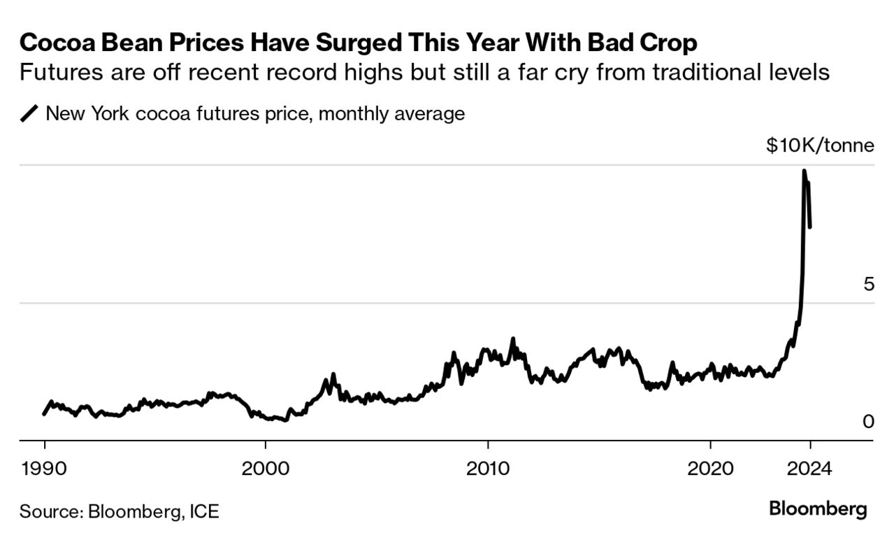
Musim Mas’ Cocoa Butter Equivalent CBE CHOCO® series offers a premium range of non-lauric vegetable fats that can replace cocoa butter in chocolate formulations while maintaining quality and performance. By partially or fully substituting cocoa butter with a stable, cost-efficient, and highly functional alternative, manufacturers can optimize costs, improve cost predictability, and deliver the consistent sensory experience consumers expect.
What Is Cocoa Butter Equivalent (CBE)?
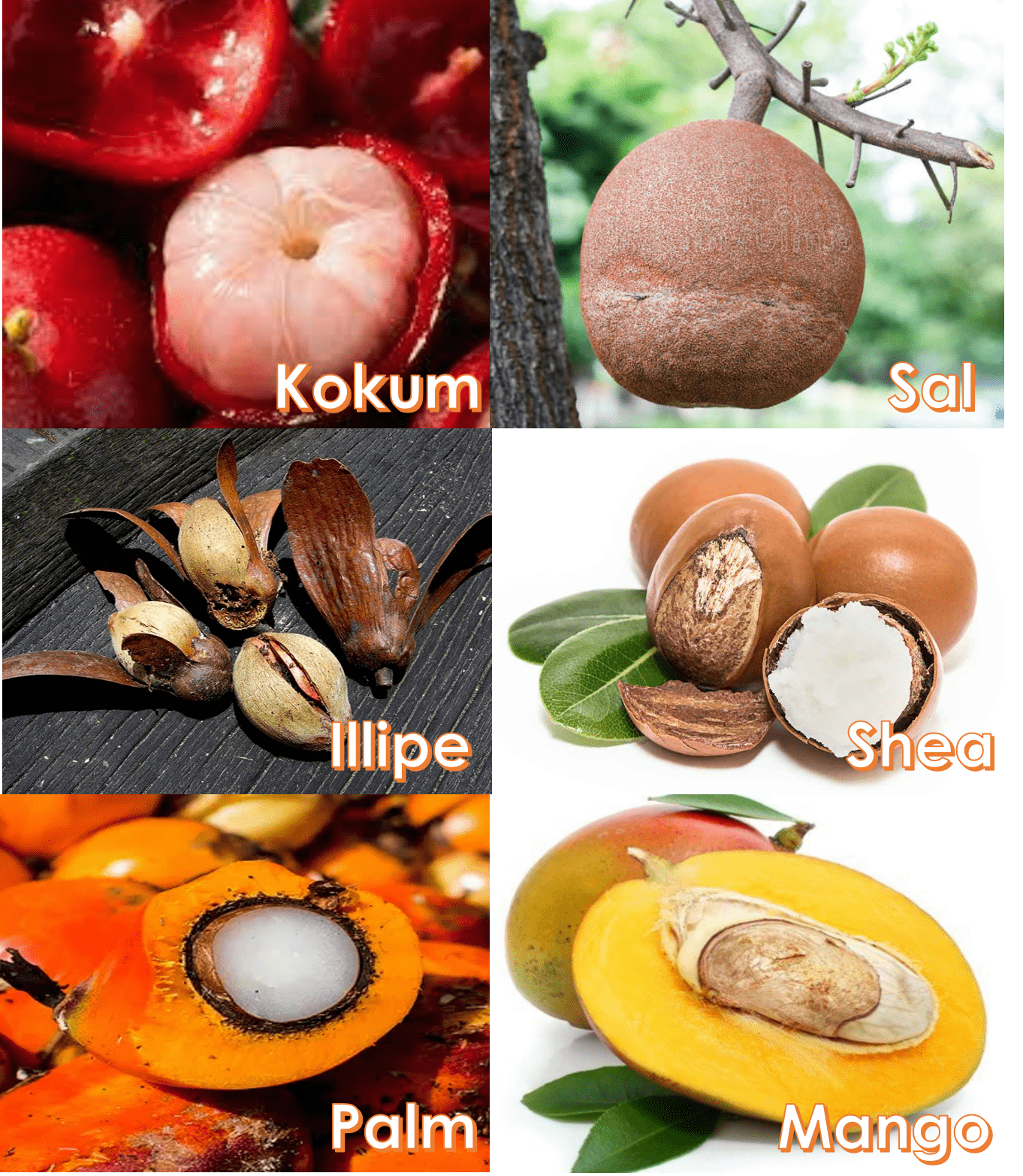
Cocoa Butter Equivalent (CBE) is designed to closely match the key physical characteristics of cocoa butter. It is typically produced by fractionating and blending exotic tropical plant fats with palm oil fractions to achieve a triglyceride composition similar to that of cocoa butter. Common exotic fat sources used in CBE production include shea, illipe, sal, kokum, and mango kernel.
The CBE CHOCO® Range
Every chocolate application presents unique formulation and performance requirements. The CBE CHOCO® portfolio offers a range of specialized solutions designed to address different manufacturing needs.
1. CBE CHOCO®43 and CBE CHOCO® 48 (The Premium Standards)
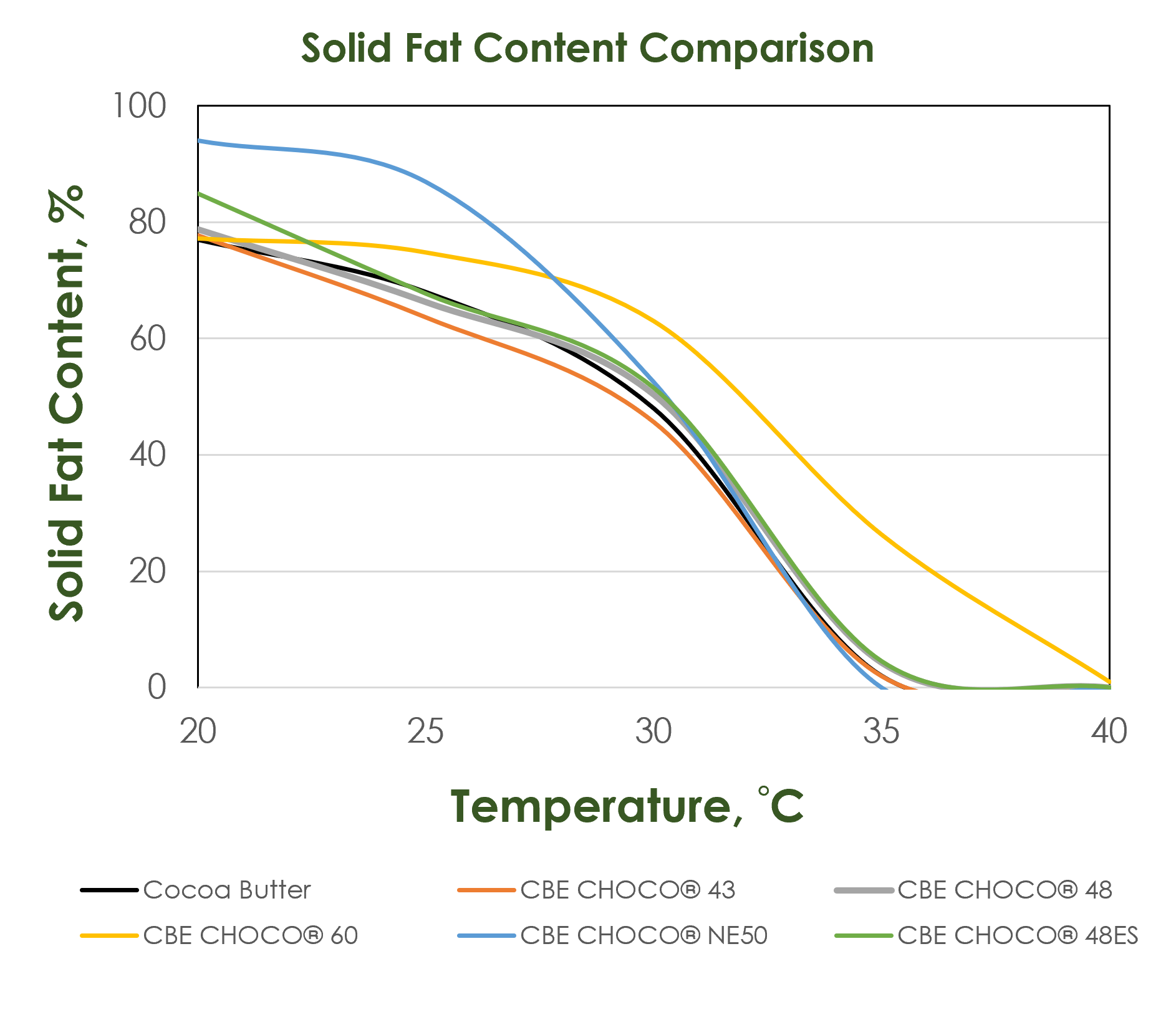
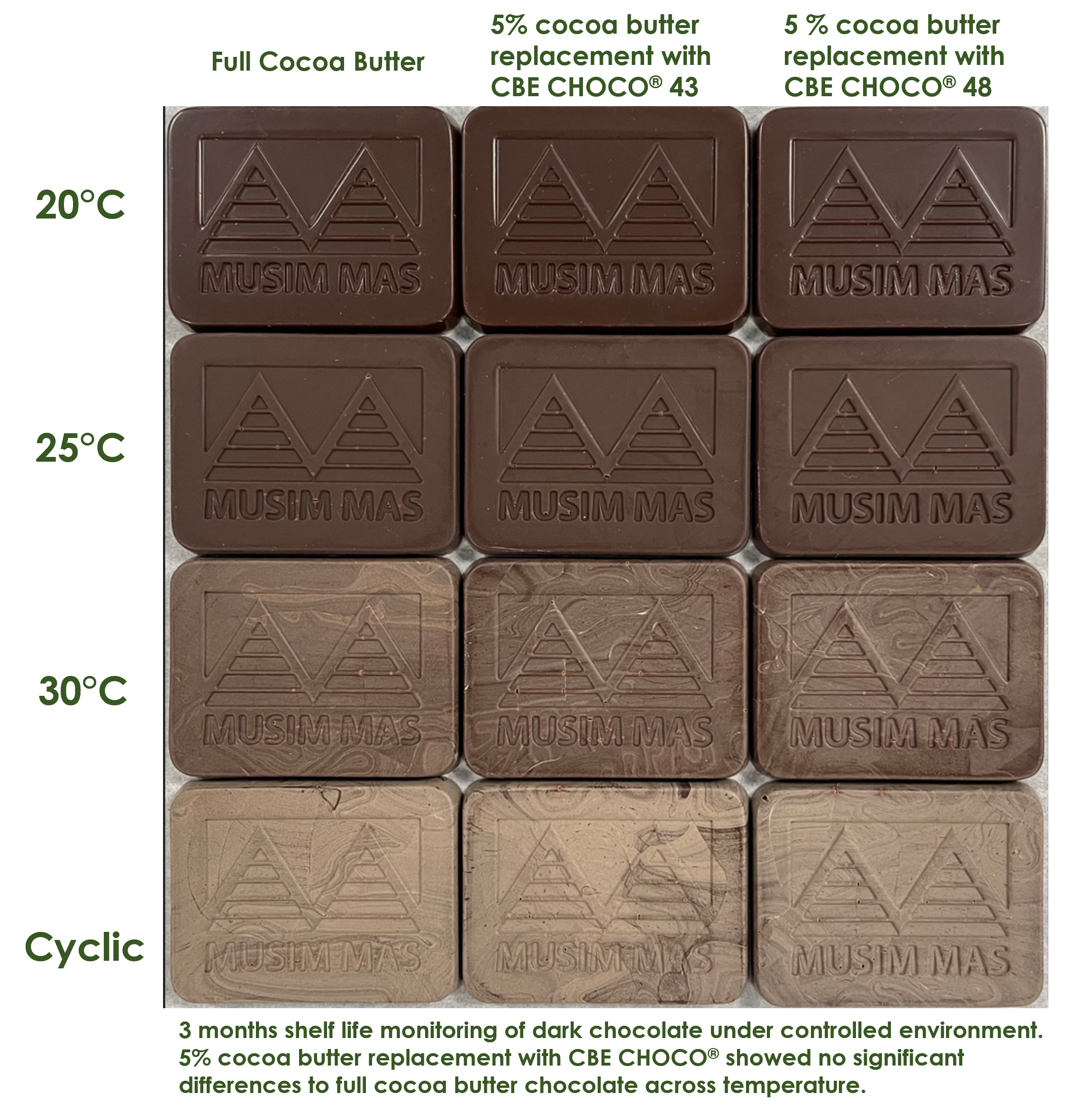
These serve as primary alternatives to conventional cocoa butter. They can be used for a 5% partial replacement in formulations where chocolate labeling requirements must be maintained, or for full replacement in compound and chocolate-style applications. Both solutions are designed to deliver desirable sensory attributes, including snap, gloss, and mouthfeel.
2. CBE CHOCO® 60 (The Tropical Improver)
Confectionery distributed in warmer climates or exposed to fluctuating storage temperatures often require reinforced structural integrity. CBE CHOCO® 60 functions as a highly effective Cocoa Butter Improver (CBI), helping to slow fat bloom development while enhancing structural stability. It is particularly suited for formulations containing higher levels of milk fat or softer cocoa butter profiles.
3. CBE CHOCO® NE50 (100% Palm Solution, Non-Exotic Alternative)
For manufacturers seeking supply-chain-consistency and cost efficiency, CBE CHOCO® NE50 offers a fully palm-based, non-hydrogenated solution. By leveraging structured fractionation, it provides a high symmetrical monounsaturated triacylglycerol fraction (SUS ≥ 90% min) and minimizes tri-saturated level (SSS ≤ 1.5% max).
Spotlight Innovation: CBE CHOCO® 48ES (Enzymatic Solution)
The choice between traditional shea-based solutions and enzymatic interesterified high-oleic sunflower oil (HOSO) alternatives often centers on supply chain reliability and cost stability. Shea nuts are wild-harvested and collected by hand in West Africa, making the supply chain more susceptible to seasonal conditions, local socio-economic disruptions, and logistical bottlenecks that trigger price spikes.
By comparison, sunflower oil is a heavily commercialized, high-yield crop cultivated across multiple continents and backed by massive agricultural infrastructure. This industrialized scale helps support greater price stability, consistent raw material quality, and reduced exposure to geopolitical and seasonal crop shocks.
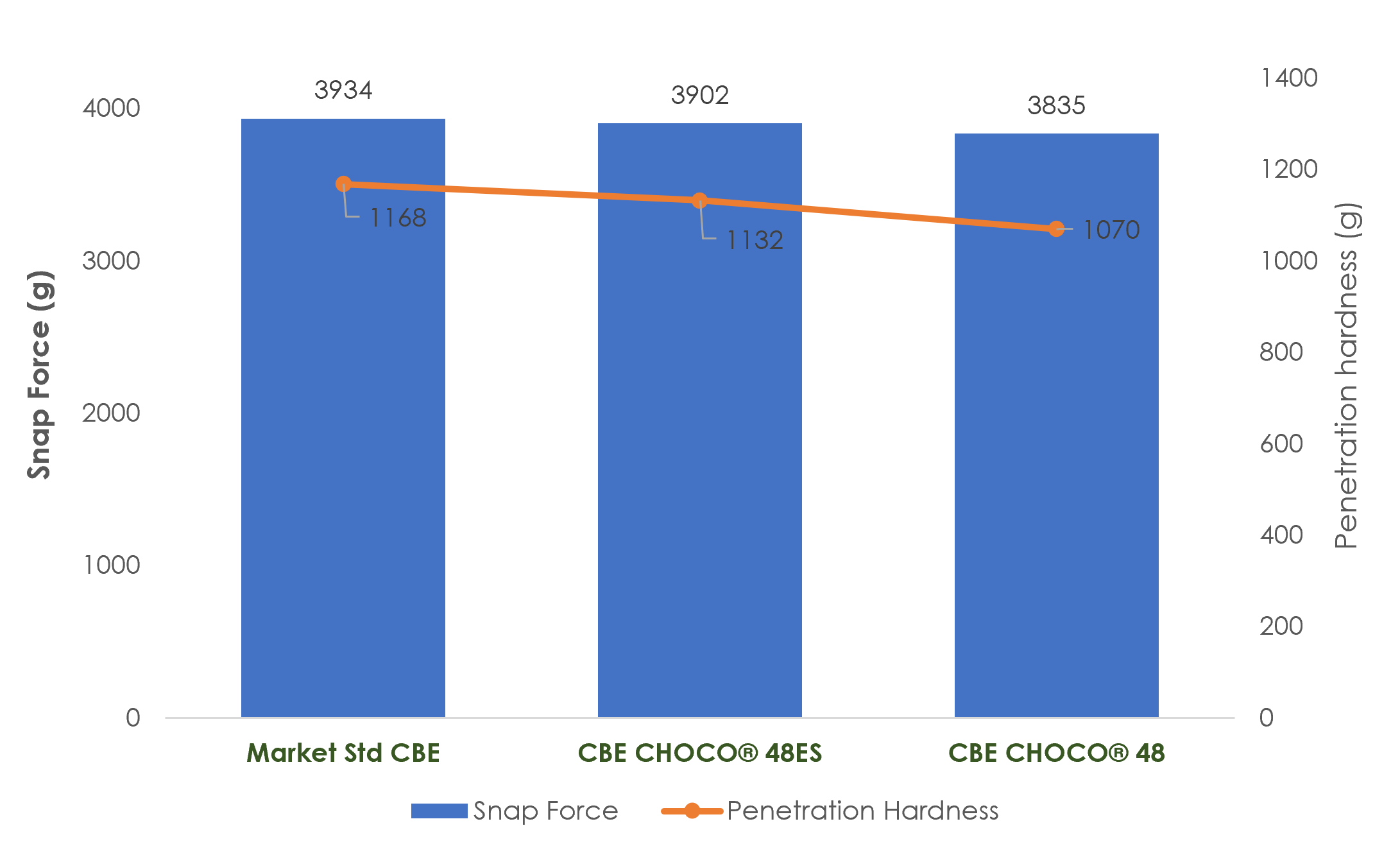
CBE CHOCO® 48ES represents Musim Mas’ latest innovation in specialty fats. Developed using precision enzymatic interesterification technology, it is designed to meet the growing demand for alternatives to cocoa butter. In application testing, it has demonstrated strong crystallization performance, excellent surface gloss, and the sharp snap associated with high-quality chocolate products.
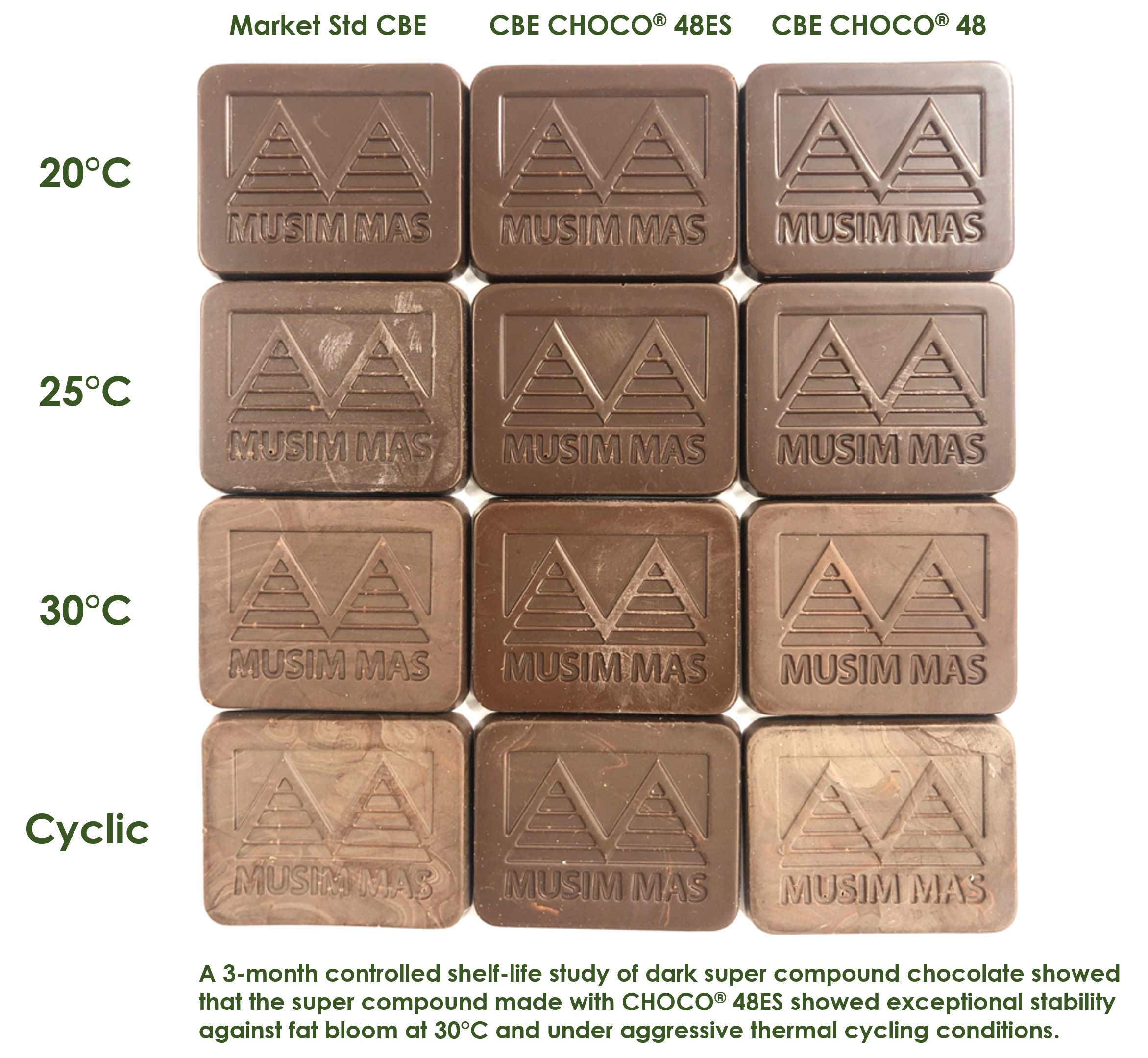
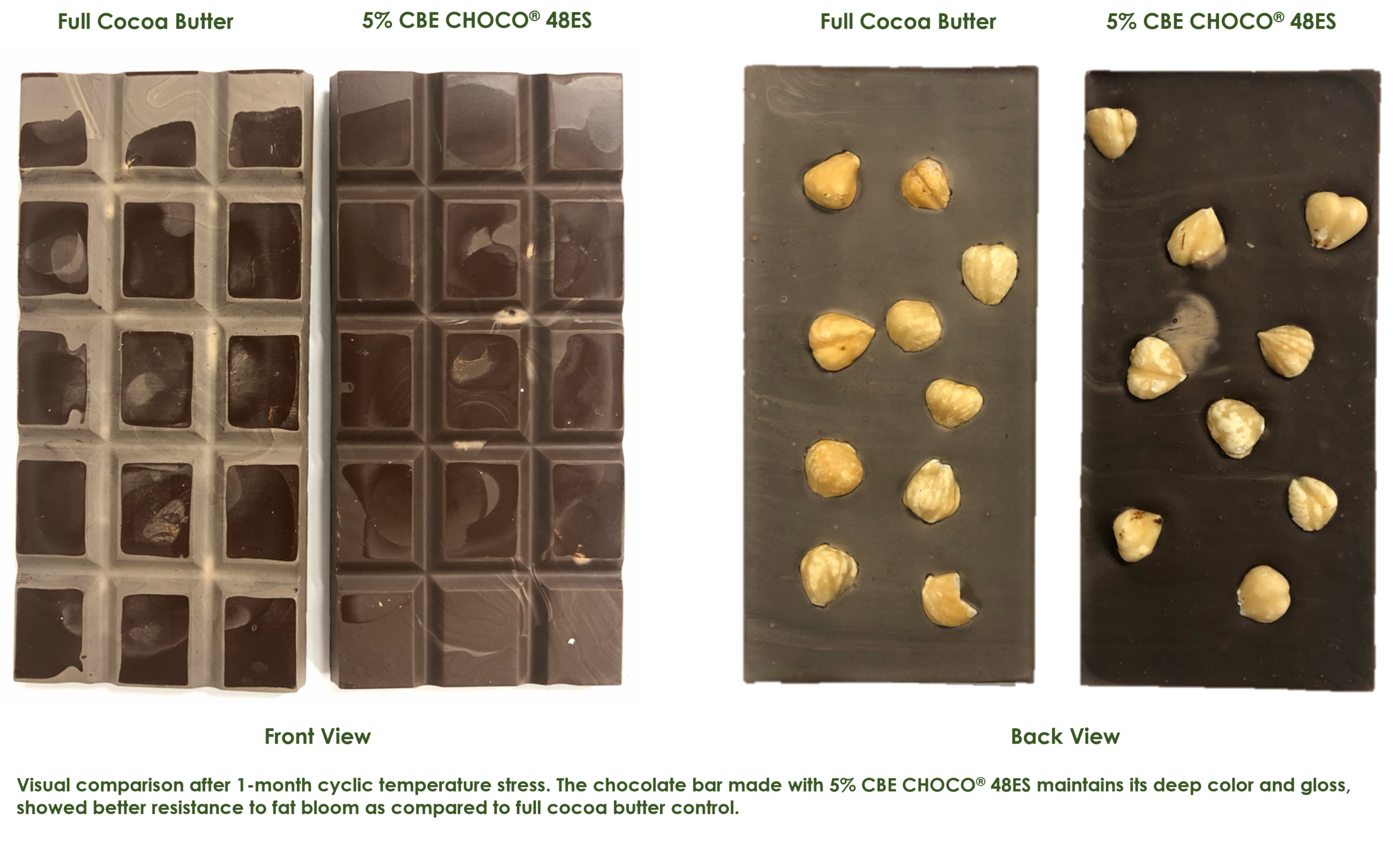
Long-term shelf-life evaluations conducted in our application laboratory have also shown exceptional stability under severe cyclic temperature stress, helping to delay fat bloom development and support extended product shelf life in challenging retail environments.
Processing Stability and Extended Shelf Life with CBE CHOCO® 48ES
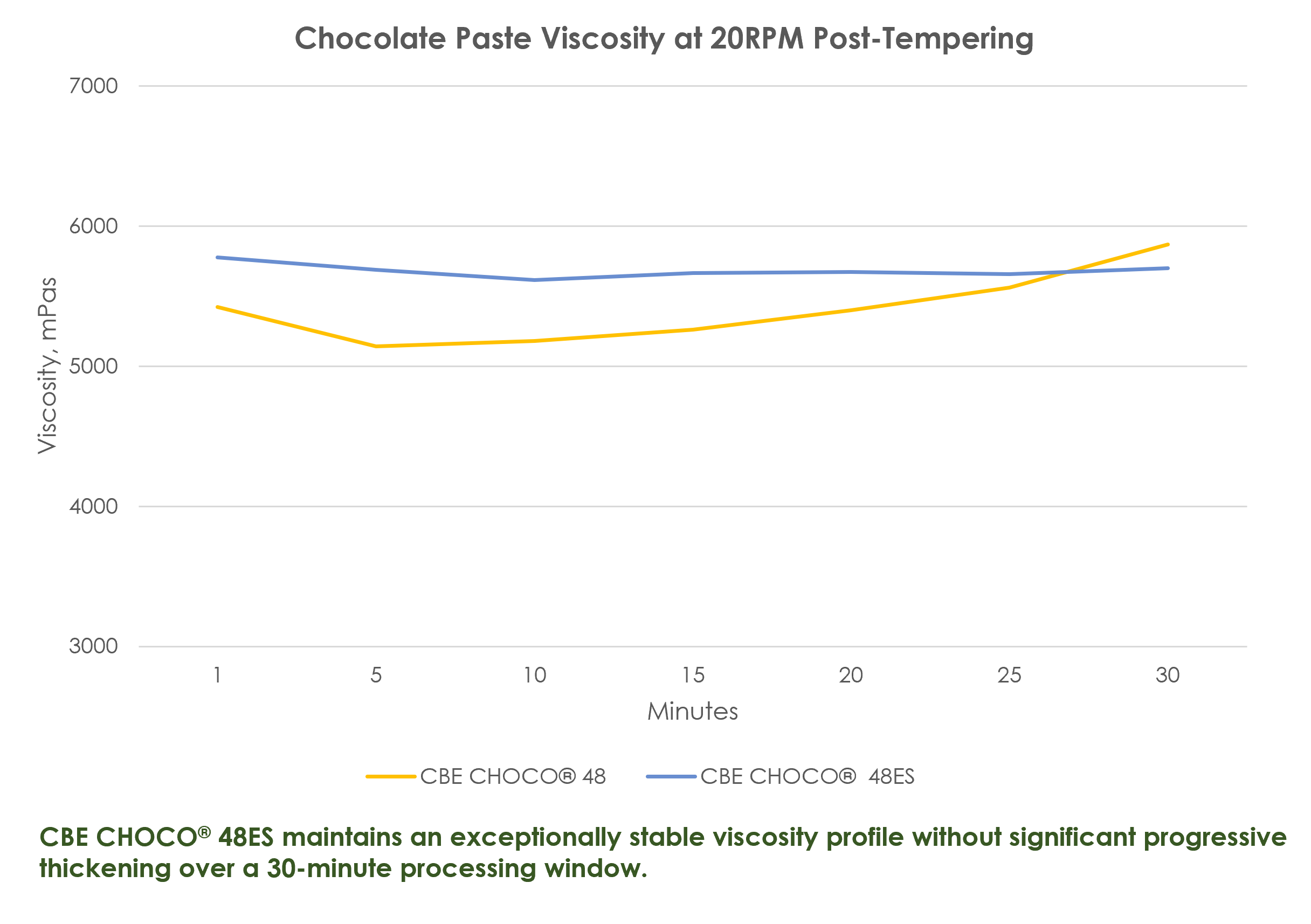
In industrial chocolate manufacturing, tempered chocolate may remain in depositor hoppers for a period before application. During this time, progressive and uncontrolled crystal growth can occur, resulting in a gradual increase in viscosity that may complicate downstream enrobing, moulding, and depositing operations.
CBE CHOCO® 48ES maintains a highly stable viscosity profile without sudden thickening or viscosity spikes, providing manufacturers with broader processing windows and greater operational flexibility. This helps support consistent flow during enrobing and moulding while reducing material waste and minimizing production downtime.
In addition to excellent processing performance, CBE CHOCO® 48ES helps extend the commercial shelf life of finished confectionery products. As demonstrated in the photo below, chocolate formulated with a 5% CBE CHOCO® 48ES retains its rich color and surface gloss even when subjected to cyclic temperature stress. This ensures your products maintain their visual appeal and consumer-preferred quality throughout product shelf life.
Embracing the Future of Chocolate
World Chocolate Day is a reminder of the joy that chocolate brings to millions of consumers around the world. To keep that joy sustainable, accessible, and commercially viable, the confectionery industry must embrace smarter ingredient solutions. By combining the 5% cocoa butter replacement allowance permitted under regional chocolate regulations with the functional performance of the CBE CHOCO® range, manufacturers can better navigate cocoa price volatility while maintaining product quality and consistency.
Through practical innovation, manufacturers can continue delivering the reliable quality, delightful snap, and rich taste that make chocolate worth celebrating—not only on World Chocolate Day, but every day.
For technical sample requests, detailed application recipes, or customized pilot trial support, please contact your Musim Mas sales representative.
Frequently Asked Questions (FAQ)
What Is Cocoa Butter Equivalent (CBE)?
Cocoa Butter Equivalent (CBE) is a specialty vegetable fat designed to closely match the physical and functional properties of cocoa butter. It can partially or fully replace cocoa butter in chocolate formulations while maintaining key attributes such as snap, gloss, melting profile, and mouthfeel.
Why Do Chocolate Manufacturers Use CBE?
Chocolate manufacturers use CBE to help manage cocoa butter price volatility, improve cost predictability, and increase formulation flexibility while maintaining product quality and consumer appeal.
Do Chocolate Labeling Regulations Allow the Use of CBE?
Chocolate labeling regulations vary by market. In regions such as the EU, China, Malaysia, Singapore, and South Korea, limited amounts of CBE (typically up to 5%) may be used while retaining the “chocolate” designation, subject to local requirements.
However, countries such as the United States and Canada do not permit non-cocoa vegetable fats in standard chocolate products. Manufacturers should always verify the applicable regulations in their target markets before finalizing formulations.
What Is Causing Cocoa Butter Price Volatility?
Cocoa butter price volatility is largely driven by supply constraints in major cocoa-producing regions, including climate-related challenges, aging plantations, disease pressure, and fluctuating harvest yields. These factors have prompted manufacturers to explore alternative ingredient solutions such as CBE.
What Makes CBE CHOCO® 48ES Different From Traditional CBE?
CBE CHOCO® 48ES is produced using enzymatic interesterification technology and high-oleic sunflower oil, helping reduce reliance on traditional exotic fats. It offers strong crystallization performance, stable processing viscosity, and enhanced resistance to fat bloom.
How Does CBE CHOCO® 48ES Improve Chocolate Processing and Shelf Life?
CBE CHOCO® 48ES helps maintain stable viscosity during chocolate processing, supporting consistent enrobing, moulding, and depositing operations. It also helps delay fat bloom development and preserve product appearance, contributing to extended shelf life.