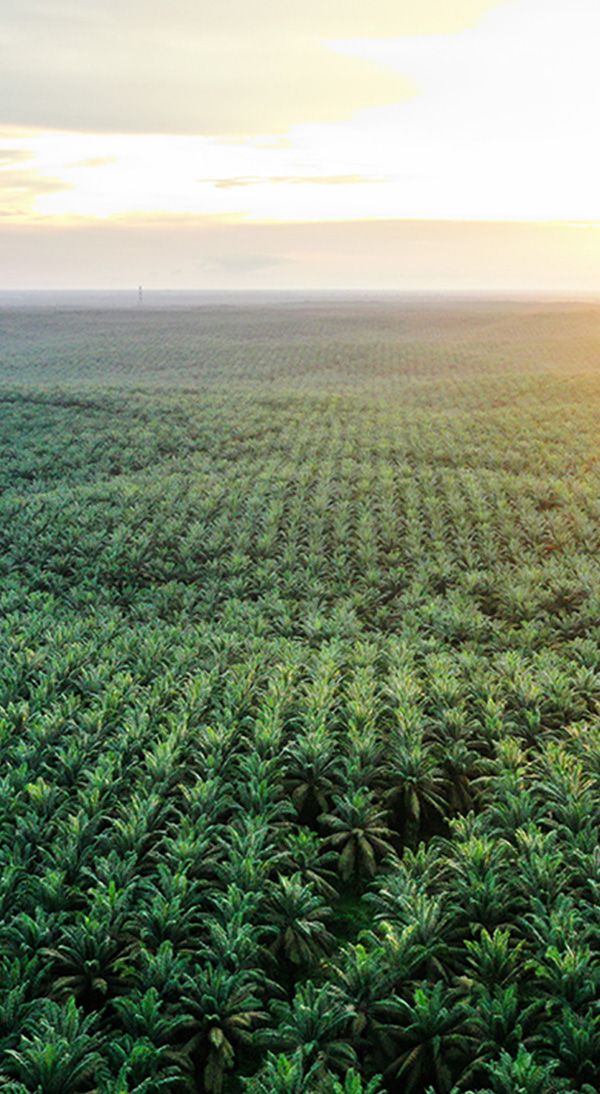
Musim Mas first introduced its NDPE Roadmap to a Responsible Supply Base in 2019 to guide progress towards our supply chain commitments. The roadmap was updated in 2022 as our sustainability approach evolved, expanding targets to reflect changing stakeholder expectations and cover our entire supply base.
Our 2026–2030 Sustainability Roadmap marks the next phase of this journey, aligned with our updated 2026 – 2030 Sustainability Policy and focused on building long-term business resilience across three Impact Areas: Sustainable Production, Responsible Sourcing, and Thriving Smallholders and Landscapes.
The roadmap sets out the priorities and measurable targets that guide implementation over the next five years. Together, the policy and roadmap provide a structured framework to drive progress, strengthen transparency, and support responsible, long-term growth.
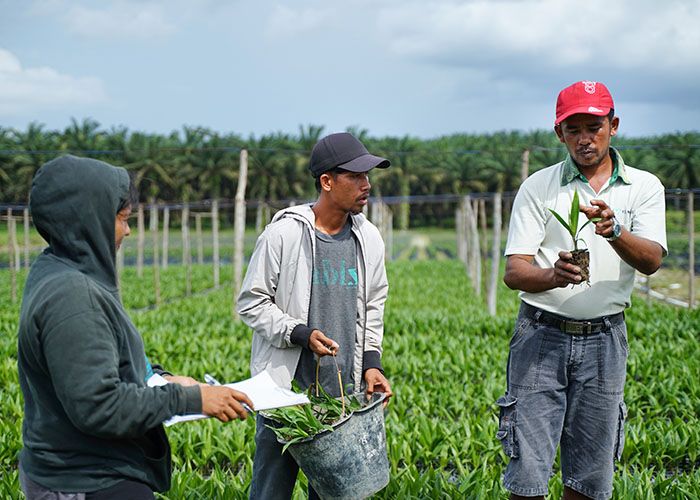
The Sustainability Roadmap translates our commitments into measurable targets across the three Impact Areas. Some targets contribute to more than one Impact Area; however, each is presented under a primary area to provide clarity and avoid duplication. This structure reflects how Shared and Supplementary commitments are implemented in practice.
| Impact Areas | Targets | Subject Area | |
|---|---|---|---|
Sustainable Production
|
1 | Scope 1, 2, 3 emissions reductions will be delivered in line with SBTi-approved near-term targets. | Environment and Climate |
| 2 | Physical and transition risks to our operations due to climate change will be assessed and addressed. | ||
| 3 | Corporate footprints on paper/packaging and plastic use will be assessed and where possible mitigated. | ||
| 4 | Musim Mas’ impact on water resources will be monitored and reduced in accordance with best industry practices. Efforts will be made to manage critical water resources collaboratively. | ||
| 5 | Gender equity and women empowerment are recognised and promoted. | Human Rights | |
| 6 | All operations and that of our suppliers are fully compliant with legal requirements and have the required permits and licenses to operate in the respective country. | Business Ethics |
Responsible Sourcing
|
7 | All palm oil products produced and/or sourced by Musim Mas are compliant with our NDPE commitment. | Environment and Climate |
| 8 | Raw material sources are 100% traceable to the place of production and traceability information is up-to-date. | ||
| 9 | 80% of coconut smallholders in our key sourcing area have been trained in sustainable production practices. | ||
| 10 | Suppliers are aware of MM human rights requirements and respect these in their own operations. Legal compliance related to employment, working conditions and avoidance of child labor are met. Any gaps are assessed and mitigated. | Human Rights |
Thriving Smallholders
|
11 | Volumes of certified independent smallholders in our supply chain will increase. | Environment and Climate |
| 12 | Regenerative Agriculture practices are implemented among Independent Smallholders to foster sustainable business model. | ||
| 13 | By 2030 we will have trained 3000 additional independent smallholders in best management practices, including NDPE and human rights topics. | Human Rights | |
| 14 | Engagement in relevant multistakeholder fora at international or regional/landscape levels will be maintained to mainstream sustainable practices in the palm oil and coconut sectors. |