Surfactants are the backbone of modern cleaning and personal care formulations—but not all surfactants work the same way. Two of the most commonly discussed surfactants are Sodium Lauryl Sulfate (SLS) and Sodium Laureth Sulfate (SLES), both widely used across personal care, home care, and industrial applications.
This Q&A-style guide explains what surfactants are, how they work, and the key differences between SLS and SLES, including performance, skin compatibility, safety, and sustainability considerations. Whether you’re a formulator, manufacturer, or customer evaluating ingredient choices, this article provides clear, practical answers to the most frequently asked questions on common surfactant fundamentals.
What are surfactants?
Surfactants, short for surface-active agents, are chemical compounds that help substances that normally do not mix — such as oil and water — work together. They are essential ingredients in many everyday products, including shampoos, detergents, soaps, and industrial cleaners.
Why are surfactants important?
Surfactants improve how products clean, foam, emulsify, and stabilise ingredients. Without surfactants, water alone would struggle to remove oils, grease, and dirt effectively. This makes surfactants critical to personal care, home care, food, pharmaceutical, and industrial applications.
How do surfactants work?
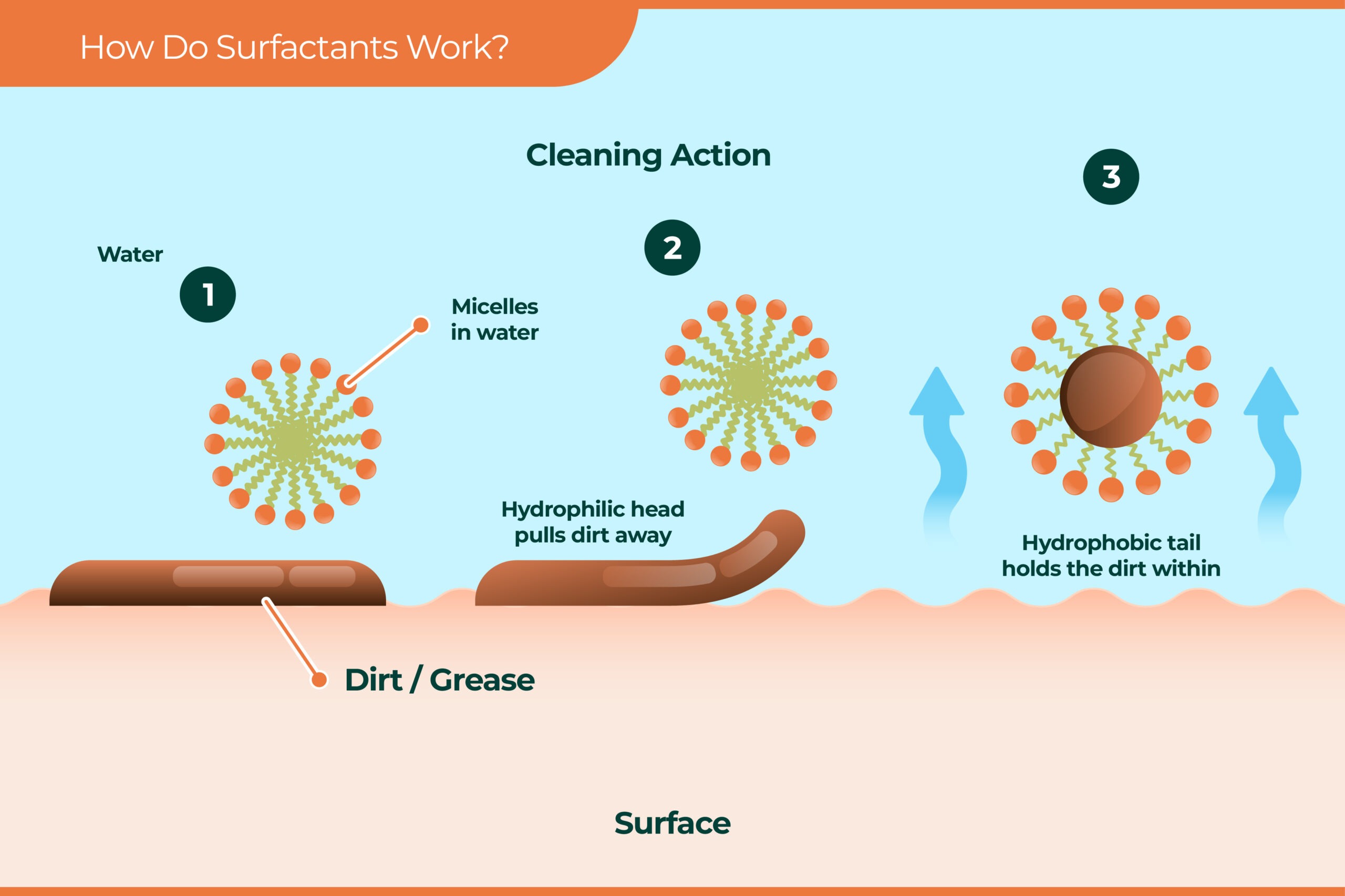
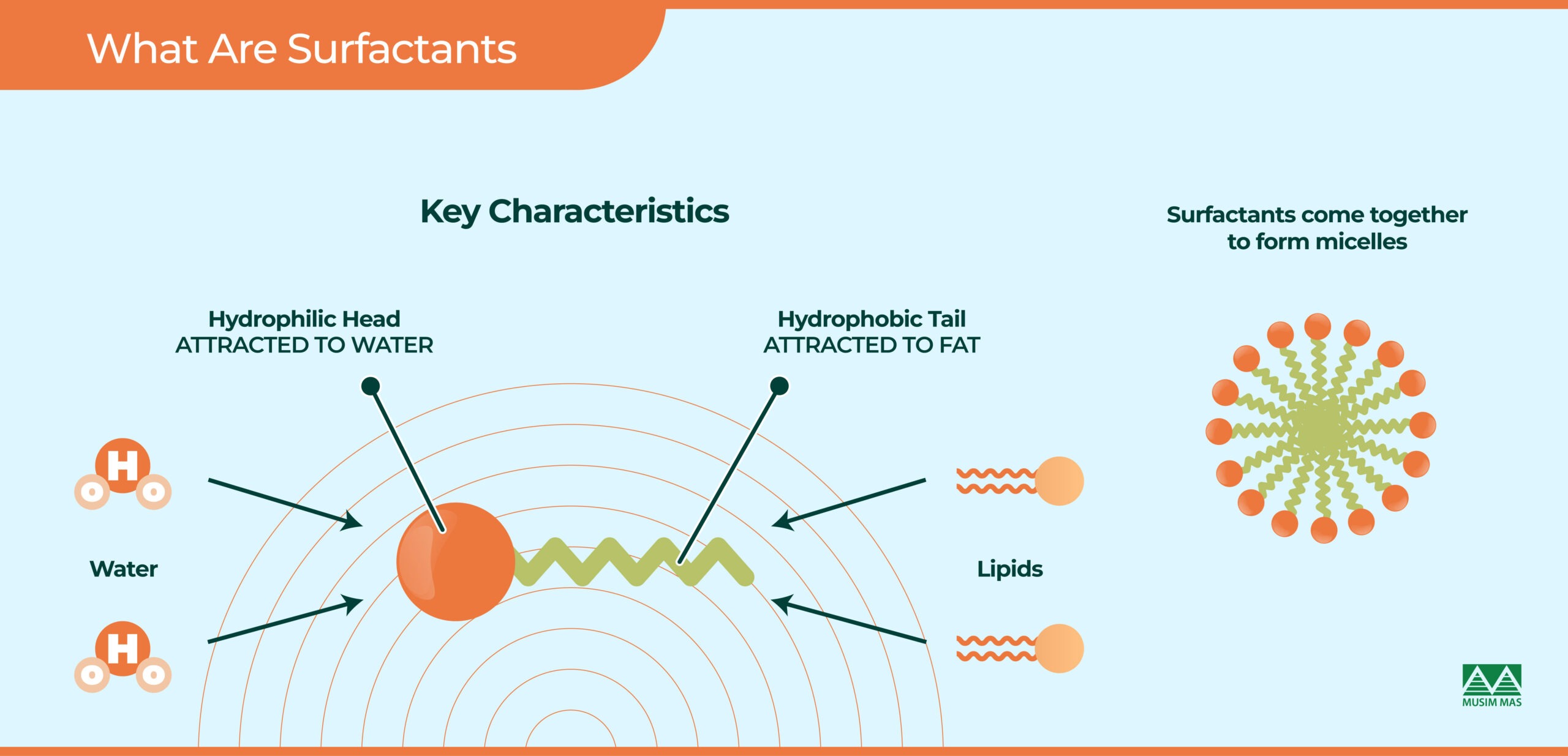
Surfactants work by reducing surface tension between liquids or between liquids and solids. Each surfactant molecule has two parts:
- a hydrophilic (water-attracting) head, and
- a hydrophobic (oil-attracting) tail.
When mixed with water, surfactants form microscopic structures called micelles. The oil-attracting tails trap dirt and grease inside, while the water-attracting heads allow the particles to be rinsed away.
What are the main types of surfactants?
Surfactants are commonly classified into four categories based on their electrical charge:
- Anionic surfactants – strong cleaners and foamers (e.g. SLS, SLES)
- Cationic surfactants – often used as conditioners or disinfectants
- Non-ionic surfactants – mild, stable across different temperatures
- Amphoteric surfactants – gentle and commonly used in personal care
Each type is chosen depending on the performance, formulation needs, and end-use application.

What is Sodium Lauryl Sulfate (SLS)?
Sodium Lauryl Sulfate (SLS) is an anionic surfactant known for its strong cleansing and foaming properties. It is widely used in shampoos, soaps, toothpaste, household cleaners, and industrial detergents.
SLS is effective at removing oils and dirt, which is why it is commonly used in products that require powerful cleaning performance.
What is Sodium Laureth Sulfate (SLES)?
Sodium Laureth Sulfate (SLES) is similar to SLS but has undergone a process called ethoxylation, which makes it milder on skin while maintaining good cleansing and foaming ability.
Because of its gentler profile, SLES is frequently used in personal care products such as body washes, facial cleansers, and hand soaps designed for regular use.
What is the difference between SLS and SLES?
The key difference lies in mildness and formulation:
- SLS offers strong cleansing and foaming but can be more irritating at higher concentrations.
- SLES provides effective cleaning with a milder skin feel, making it suitable for frequent-use products.
Both are widely used and safe when formulated correctly and used as intended.
Where are surfactants used?
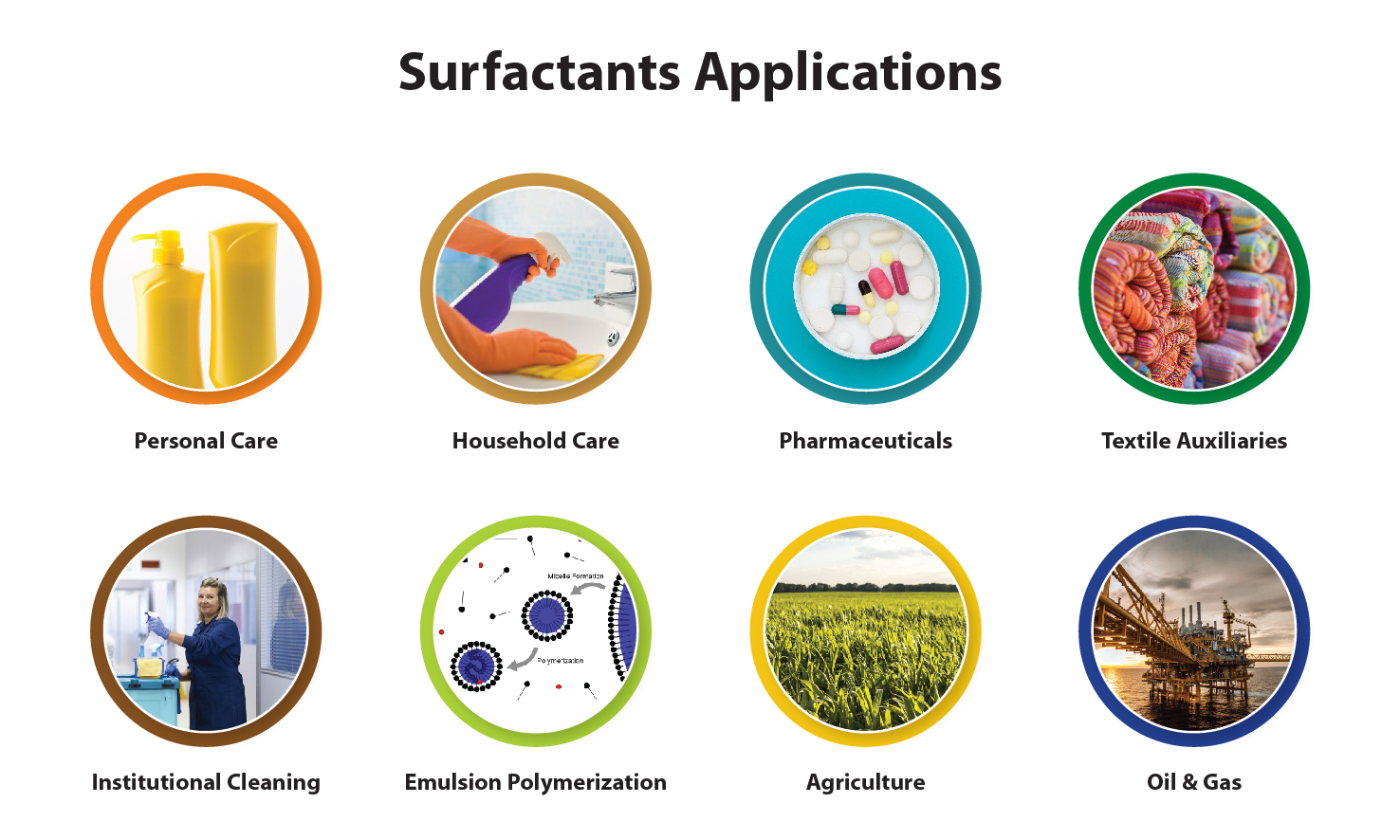
Surfactants are used across many industries, including:
- Personal care – shampoos, body washes, toothpaste
- Home care – laundry detergents, dishwashing liquids, surface cleaners
- Industrial applications – degreasers, textile processing, leather treatment
- Food and pharmaceuticals – emulsifiers and stabilising agents
Their versatility makes surfactants indispensable in modern manufacturing.
Are surfactants safe?
Surfactants such as SLS and SLES have been extensively studied and are considered safe when used in regulated concentrations. Product safety depends on formulation, usage levels, and intended application. Many surfactants are readily biodegradable and do not persist in the environment when properly treated through wastewater systems.
Are SLS and SLES bad for skin?
SLS and SLES are not inherently harmful. However, because SLS is a strong cleanser, it may cause irritation for some individuals if used in higher concentrations or on sensitive skin. SLES is generally milder and preferred for daily-use personal care products.
Formulators often combine these surfactants with conditioning agents to improve skin compatibility.
Are surfactants environmentally friendly?
The environmental impact of surfactants depends on their raw materials, biodegradability, and supply chain practices. Many modern surfactants are derived from renewable, plant-based sources and are designed to biodegrade efficiently.
Responsible sourcing and manufacturing play a key role in reducing environmental impact.
How does Musim Mas approach sustainable surfactants?
Musim Mas supplies surfactants derived from renewable feedstocks such as palm and coconut oil, supported by traceable and responsible sourcing practices. We take a dual approach of product performance and environmental responsibility, including commitments to deforestation-free supply chains and continuous sustainability improvements.
Sustainable palm oil, which is used to produce our products is certified with internationally recognized standards such as the Roundtable on Sustainable Palm Oil (RSPO) and others.
Why do surfactants matter in everyday life?
From the soap that cleans your hands to the detergents that keep homes and industries running efficiently, surfactants play a vital role in hygiene, health, and productivity. Their ability to improve cleaning and formulation performance makes them essential to modern living.

What are the common product forms of surfactants?
Surfactants are available in several product forms to suit different manufacturing and application needs. Common forms include liquids, pastes, powders, and granules. Granular surfactants are often preferred for dry blending, easier handling, reduced dusting, and precise dosing in industrial and home care formulations.