
By: Devane Sharma
What is Biofuel and Biodiesel? | How Biodiesel Is Made from Palm Oil | Why Palm Oil-Based Biodiesel? | Musim Mas’ Committed to Sustainable Biodiesel
What Is Biodiesel and How Is It Made from Palm Oil?
As the world looks toward reducing carbon emissions and moving away from fossil fuels, biodiesel has emerged as a promising alternative energy source—particularly in the transportation sector. Unlike traditional diesel, it is renewable and biodegradable. Among these, palm oil has become one of the most prominent raw materials due to its high oil yield. But how exactly is palm oil-based biodiesel made? Let’s walk through the process.
What is Biofuel and Biodiesel?
Bio-based fuel- also known as biofuel- comes from natural feedstocks, such as vegetable oils, animal fats, or used cooking oil, and can be in the form of solid, liquid, or gas that come from biomass.
Biodiesel is a liquid form of biofuel that can be used in existing diesel engines with little or no modification. Compared to fossil fuels which are formed over millions of years and have a high carbon content, biofuels come from shorter-cycle, renewable sources that offer greater sustainability.
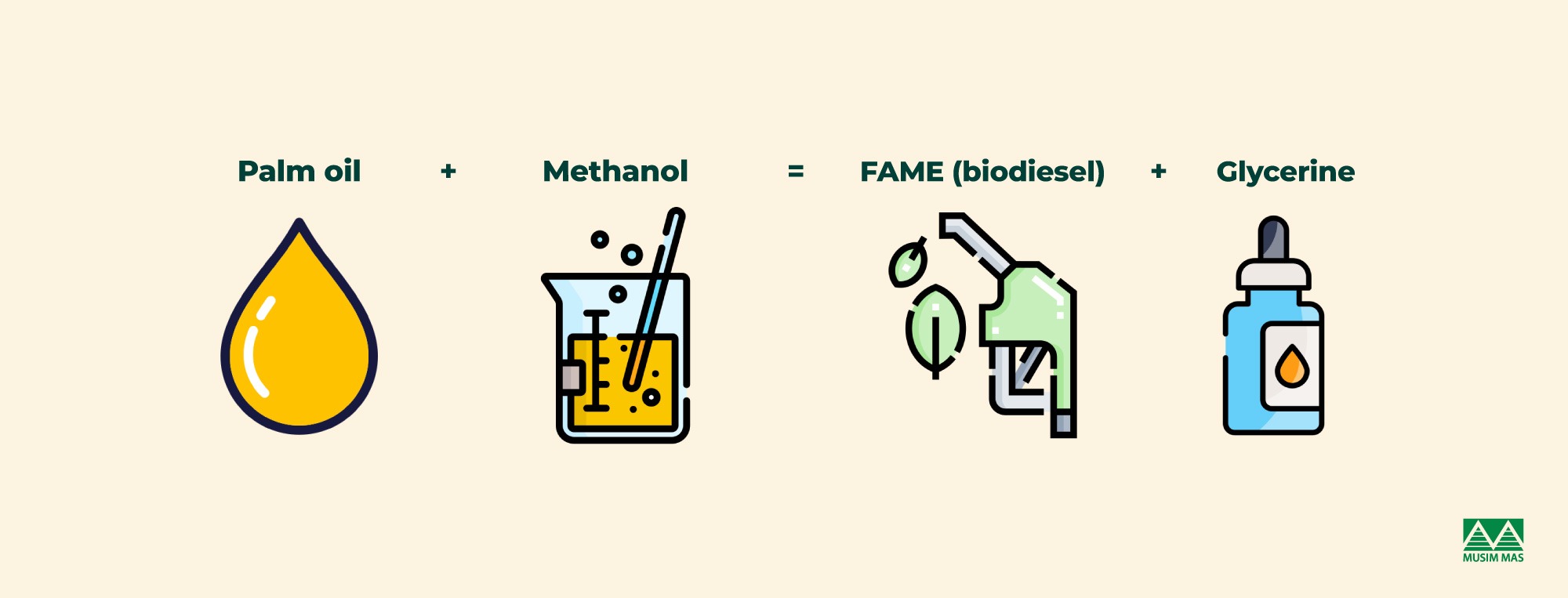
Chemically, palm oil-based biodiesel consists of fatty acid methyl esters (FAME), produced through a process called transesterification.
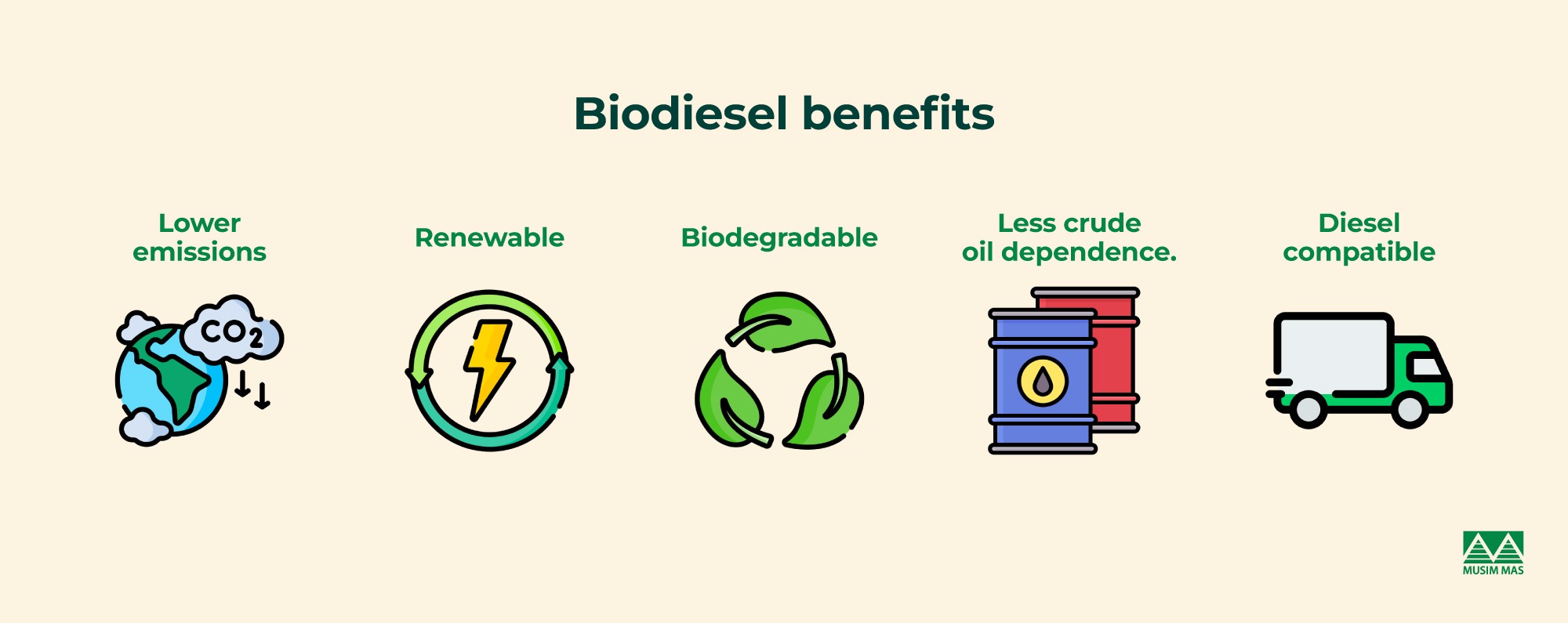
FAME is the most common type of biodiesel globally and the primary method of biodiesel production in Indonesia. In addition to reducing reliance on fossil fuels, FAME brings several benefits:
- Lower greenhouse gas emissions compared to fossil fuels
- Renewable source of energy
- Biodegradability and non-toxicity
- Compatibility with existing diesel infrastructure
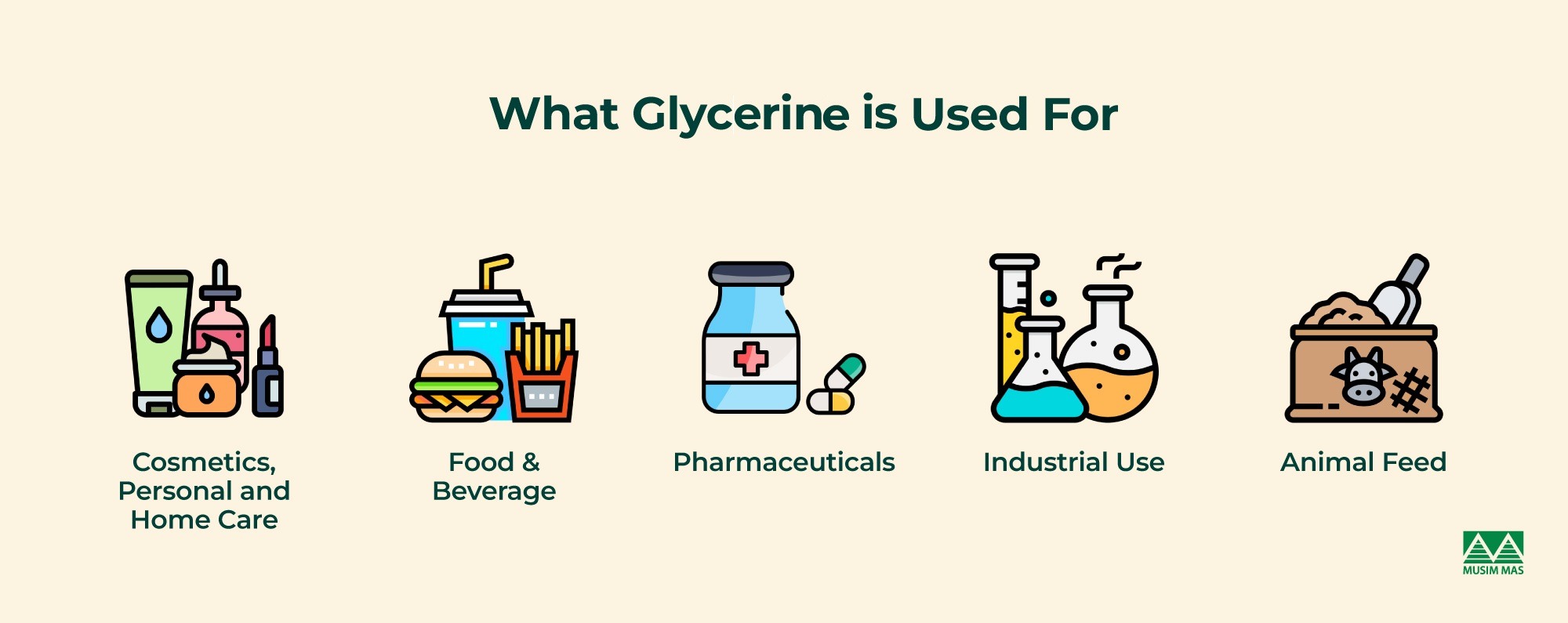
Another important outcome of FAME production is the co-production of glycerine (around 10% of the output). Far from being a waste by-product, glycerine is a valuable raw material widely used in industries such as pharmaceuticals, cosmetics, food, and chemicals. It is an important component of most hand sanitizers, keeping the skin moist.
In the case of Musim Mas, biodiesel is made from sustainably sourced palm oil, helping to reduce the overall carbon footprint of transportation fuels while also supporting other industries through glycerine supply.
How Biodiesel Is Made from Palm Oil
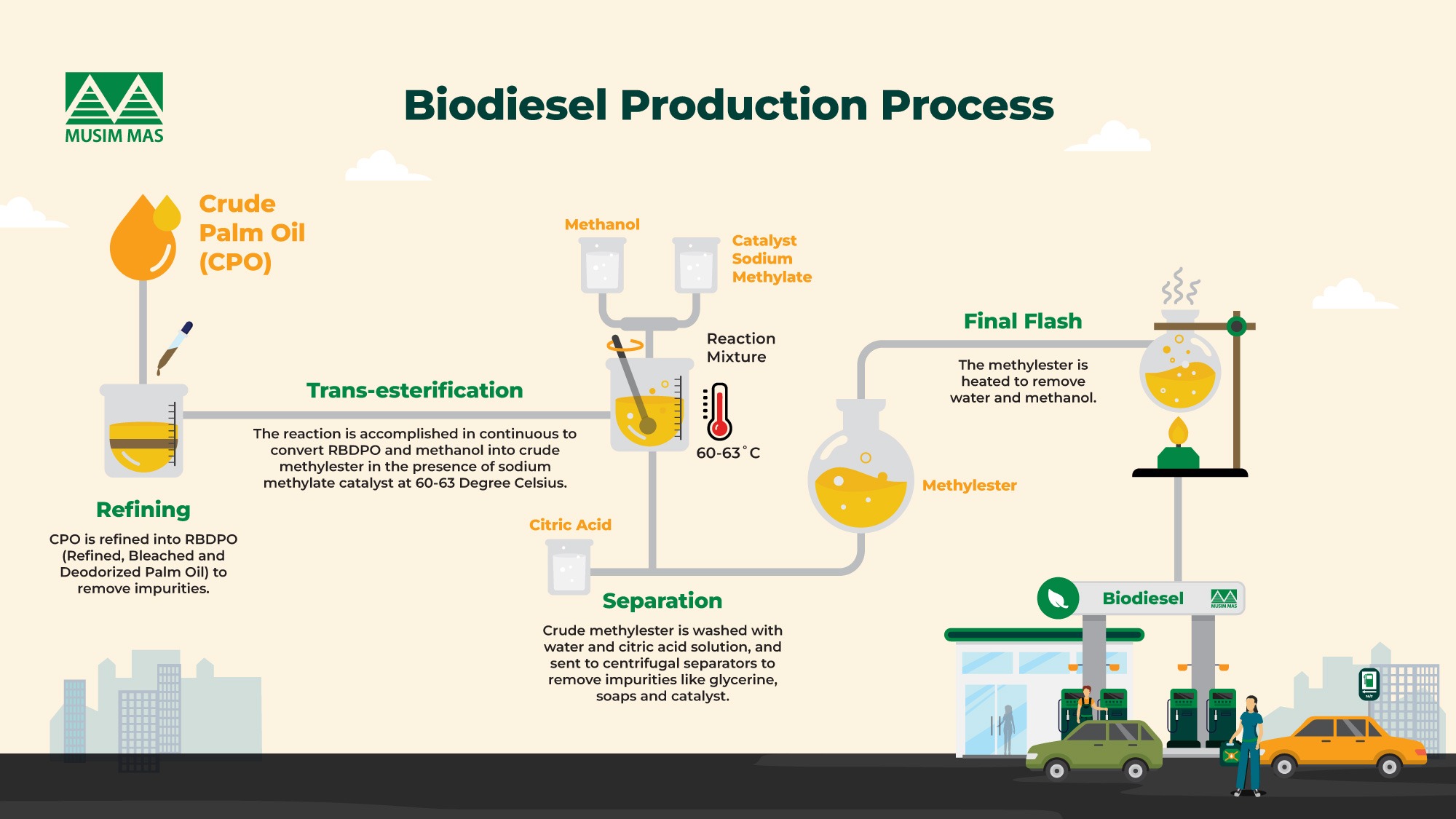
Let’s break down the biodiesel production process into four main stages, as illustrated in the infographic above.
1. Refining Crude Palm Oil (CPO)
The process begins with Crude Palm Oil (CPO)—a reddish, thick oil extracted from the fruit of oil palms. Before it can be used in biodiesel production, the CPO must be refined to remove free fatty acids, moisture, and other unwanted substances.
This refining process results in Refined, Bleached, and Deodorized Palm Oil (RBDPO), which is the ideal feedstock for the next stage.
2. Trans-esterification
Trans-esterification is the heart of biodiesel production. In this step, RBDPO reacts with methanol in the presence of a catalyst—typically sodium methylate. This reaction breaks down the triglycerides (fats) in palm oil and converts them into methyl esters (FAME) – the biodiesel, and glycerine.
Musim Mas carries out this reaction under controlled conditions, at 60–63°C, to ensure high yield and efficiency. This step transforms palm oil into crude methyl ester, which still contains impurities.
3. Separation
Once the reaction is complete, the mixture is separated and purified to meet fuel quality standards. This involves:
Next, the crude methyl ester is washed and purified. This involves:
- Washing with citric acid and water to neutralize excess catalyst
- Using centrifugal separation to remove glycerine, soap, unreacted methanol, and residual catalyst.
4. Final Flash (Drying)
In the final stage, the purified methyl ester is heated to remove any remaining water and methanol. This step is essential to prevent engine issues and improve the fuel’s stability during storage and transportation. The result is a clean, ready-to-use biodiesel.
Why Palm Oil-Based Biodiesel?
Palm oil offers higher oil yield per hectare than other vegetable oils like soybean, rapeseed, or sunflower. This means less land is required to produce the same amount of fuel—an important consideration in discussions about land use and sustainability. When produced sustainably, palm oil-based biodiesel can potentially reduce life cycle greenhouse gas emissions compared to fossil diesel. In palm growing rural communities, the crop is also an important component of livelihoods and of job creation and has lifted millions out of poverty. As a perennial crop that produces all year long, the oil palm provides farmers with regular, long-term income.
Musim Mas’ Committed to Sustainable Biodiesel

As a leading palm oil producer with a strong emphasis on sustainability and traceability, Musim Mas’ biodiesel has achieved various internationally recognized certifications, including ISCC (International Sustainability and Carbon Certification) which is the dominant certification scheme for biodiesel, also covering the growing aviation biofuel sector.
Musim Mas sources from sustainable and verified sources, in line with its No Deforestation, No Peat, No Exploitation (NDPE) policy, and sustainability goals. The group also runs Indonesia’s largest independent smallholder program, giving smallholders the skills, they need to produce sustainability. With regards to the food-fuel debate, palm oil used by Musim Mas for biofuel is often a surplus, not suitable for food.
As governments and industries push for cleaner fuels and more resilient energy systems, biodiesel plays an important role in the transition towards renewable alternatives to fossil fuels. For countries with existing palm oil industries, palm-based biodiesel represents a practical, scalable, and sustainable solution. It also supports industries that rely on glycerine, contributing to a more circular economy.
Musim Mas continues to innovate in this space—enhancing the efficiency of production, investing in green technologies, and upholding its commitment to environmental and social responsibility.