Accountability Framework initiative (AFi) Director Jeff Milder speaks to Musim Mas Director of Communications and Sustainability Olivier Tichit about the company’s investments in responsible supply chains. This article was published on AFi’s at this link.
Musim Mas is one of the world’s largest palm oil processors, operating in 13 countries. The company’s Director of Sustainability Olivier Tichit sits on the AFi’s Private Sector Advisory Group to offer advice on how the Accountability Framework can help the private sector address deforestation, ecosystem conversion, and human rights in supply chains.
AFi Director Jeff Milder asked Olivier about Musim Mas’ investments in responsible sourcing, smallholder engagement, and landscape-based initiatives. In their conversation, Jeff and Olivier also discussed the shifting regulatory environment, what’s ahead for the company, and more.
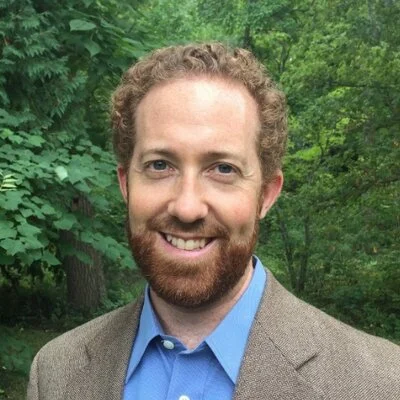
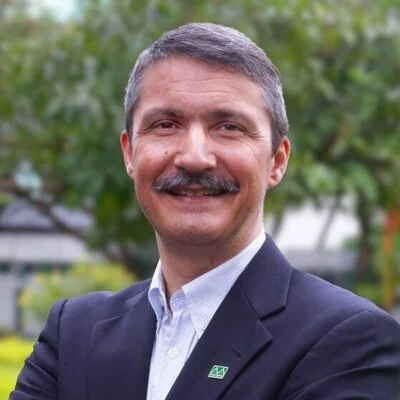
Jeff: Responsible supply chains are not a new priority for Musim Mas. The company was an early member of RSPO, is a two-time CDP A-lister for forests, and recently set an SBTi FLAG target. Why has the business invested so much in responsible sourcing over the past few decades?
Olivier: Sustainability is among Musim Mas’ core values and it’s central to our business philosophy. We see sustainability as a risk-mitigation tool that also enhances our long-term value proposition. This is not just talk. To back up our ambitions with action, the board oversees all topics that are material to our business. That includes sustainability and ESG issues, human rights, and supply chain commitments and progress. This oversight ensures that implementation of our goals is embedded into business strategies and decisions.
Our board meets quarterly to discuss sustainability, and receives monthly progress reports. Our sustainability team consists of 150 people who are delivering on our company’s Sustainability Policy. I want to note also that our policy encompasses all operations and business units worldwide in line with the Accountability Framework definition of ‘corporate group.’
Jeff: At a time when many companies are stepping back from their climate goals, Musim Mas remains committed to its science-based targets. Why is that?
Olivier: We can’t ignore that climate change affects the environment, economic stability, and supply chain resilience. For example, extreme variations in weather patterns are resulting in longer dry spells, which increase fire risk. These can impact our direct operations and value chain. To understand the implications of all of this for our business, we conducted a climate risk scenario analysis. It looked at the physical and transitional risks of climate change, their potential scale, and the potential financial implications.
Sustainability has always made business sense for us, but with climate change accelerating, that is even more true. In addition to being a moral goal, we see achieving net zero as a competitive advantage. Our banks, our customers, the consumers who buy goods made from our products, and the regulators in countries where we operate are all looking for leadership and accountability on climate change. So we see the urgent challenge of climate change as an opportunity to lead by example.
One way we are leading on climate action is through methane captures. Musim Mas was the first group to pioneer this technology across our mills to reduce the climate impact of palm oil processing. That investment has captured the attention of our customers, and we hope it would encourage other players in the industry to invest in such technologies.
Jeff: In many places around the world, the regulatory environment is increasingly uncertain. How has Musim Mas adapted to this dynamic?
Olivier: The shift in sustainability from a voluntary practice to a legal requirement requires us to dedicate substantial resources to meeting evolving regulatory demands and customer expectations. In the case of the EU Deforestation Regulation, we are positioning our company for compliance through strong commitments, robust due diligence, and transparent supply chains before the regulation comes into effect. The bigger challenge for us has been equipping our suppliers, especially smallholders, to keep up with regulatory changes. But we are working hard to support them. And we are advocating for smallholders to ensure that regulatory advancements do not inadvertently exclude them from value chains.
Jeff: On the topic of smallholders, Musim Mas has one of the most extensive independent smallholder sourcing bases in Indonesia. How does the company balance inclusiveness with rigorous compliance requirements?
Olivier: About 85% of the palm oil we process comes from third parties, and that includes hundreds of thousands of smallholders, as you mentioned. Independent smallholders, in particular, present the biggest challenge to fulfilling our No Deforestation, No Peat, and No Exploitation (NDPE) policy. But at the same time, they offer the biggest opportunity for yield enhancement without land expansion. We believe it is in our best interest to engage smallholders because a dependable, productive supply chain bolsters our efficiency and competitiveness. So we are investing in smallholders, communities, and workers as a strategic component of our business objectives. And I’ll add that it’s an important contribution to livelihoods and sustainable development. It’s a win-win for us to help producers overcome the many challenges they face related to yields, costs, farm management, land ownership, financial access, gender, income, market access, governance, replanting, and more. We invest in tomorrow’s farmers as well, through youth programs.
Jeff: In what ways does Musim Mas participate in multi-stakeholder platforms as part of its sustainability strategy, and why?
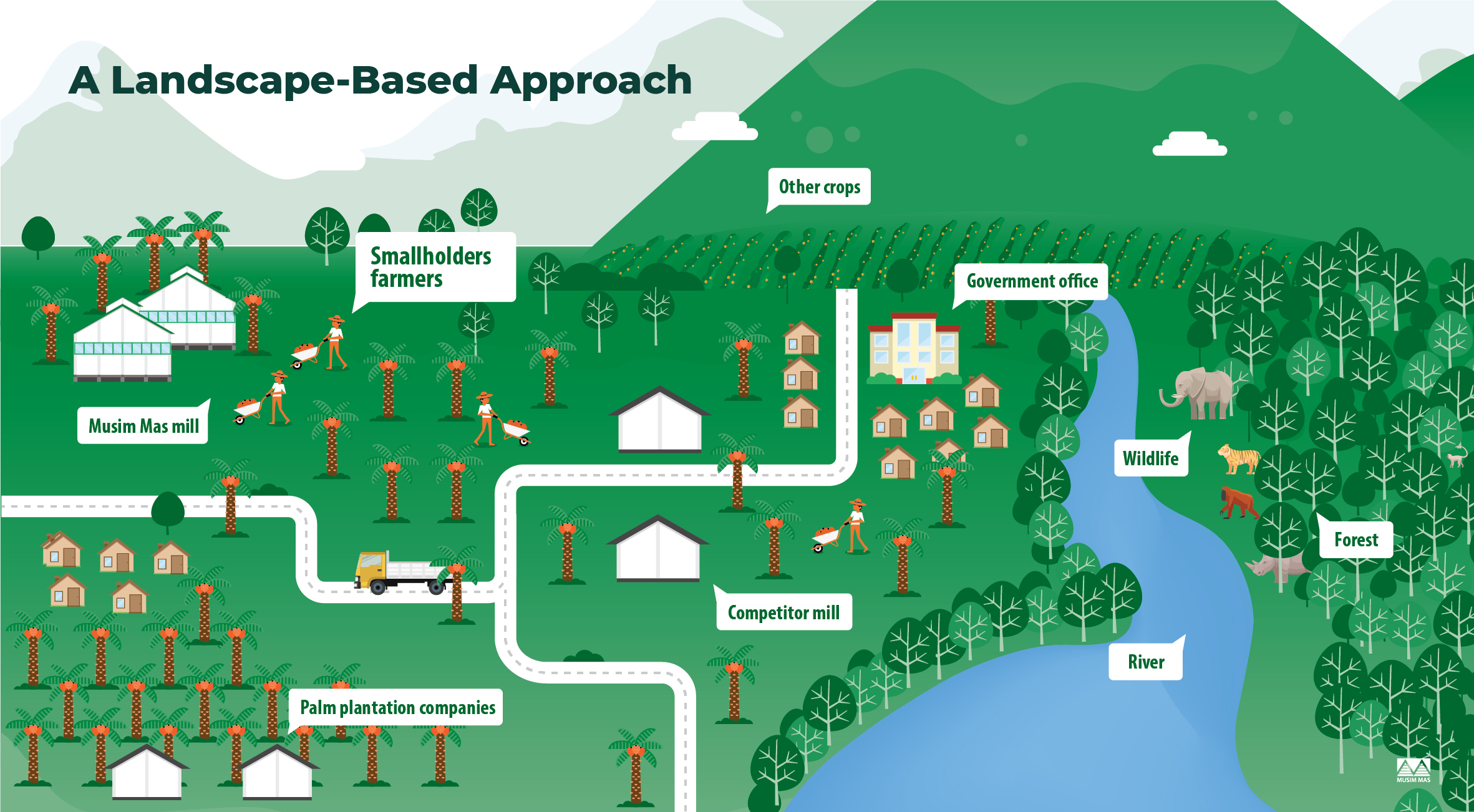
Olivier: We are proud of the ways we are leading as a company, but we also collaborate with others on challenges that we know we can’t solve alone. Issues in the palm oil industry—such as deforestation, food security, biodiversity, and livelihoods—are all interrelated. To achieve lasting transformation on the ground, companies like ours, along with governments, civil society groups, and other stakeholders need to combine their efforts.
In engaging this way, we are looking beyond our own supply chain and working collaboratively at the landscape and sector-wide levels to encourage the entire industry to embrace change and sustainability. In the communities and geographic areas where we operate and source, we seek to be reliable partner in the stewardship of the landscapes. That’s where durable conservation can happen. And at the sectoral level, we are participating in initiatives like the WEF Tropical Forest Alliance to halt deforestation for all forest-risk commodities.
Jeff: Looking beyond 2025, what’s on the horizon for Musim Mas in the years ahead?
Olivier: Looking at the future of oil palm production, we foresee that it will rely on continuously developing oil palm varieties, both high-yielding, but also adapted to areas considered today to be marginal for oil palm cultivation. It’s important to us to improve land-use efficiency and achieve high yields so we can meet demand while reducing our greenhouse gas emissions and minimising our impacts on forests and biodiversity. Looking beyond our supply chain, these sorts of innovations will also contribute to shifting the entire industry towards greater responsibility.
We also believe that global market expectations from customers, consumers, and civil society organisations for traceable, socially-responsible and deforestation-free supply chains will continue to increase. So we are working on revising our Sustainability Policy to better reflect stakeholder expectations, climate goals, net zero commitments, sustainability ratings, and human rights due diligence. Our policy will also be streamlined for greater clarity, and to reiterate our support for landscapes and smallholders. That’s all coming soon.
For more information, about the Accountability Framework, companies may visit their website at this link or access their free e-learning platform at this link.