By Frances Lam
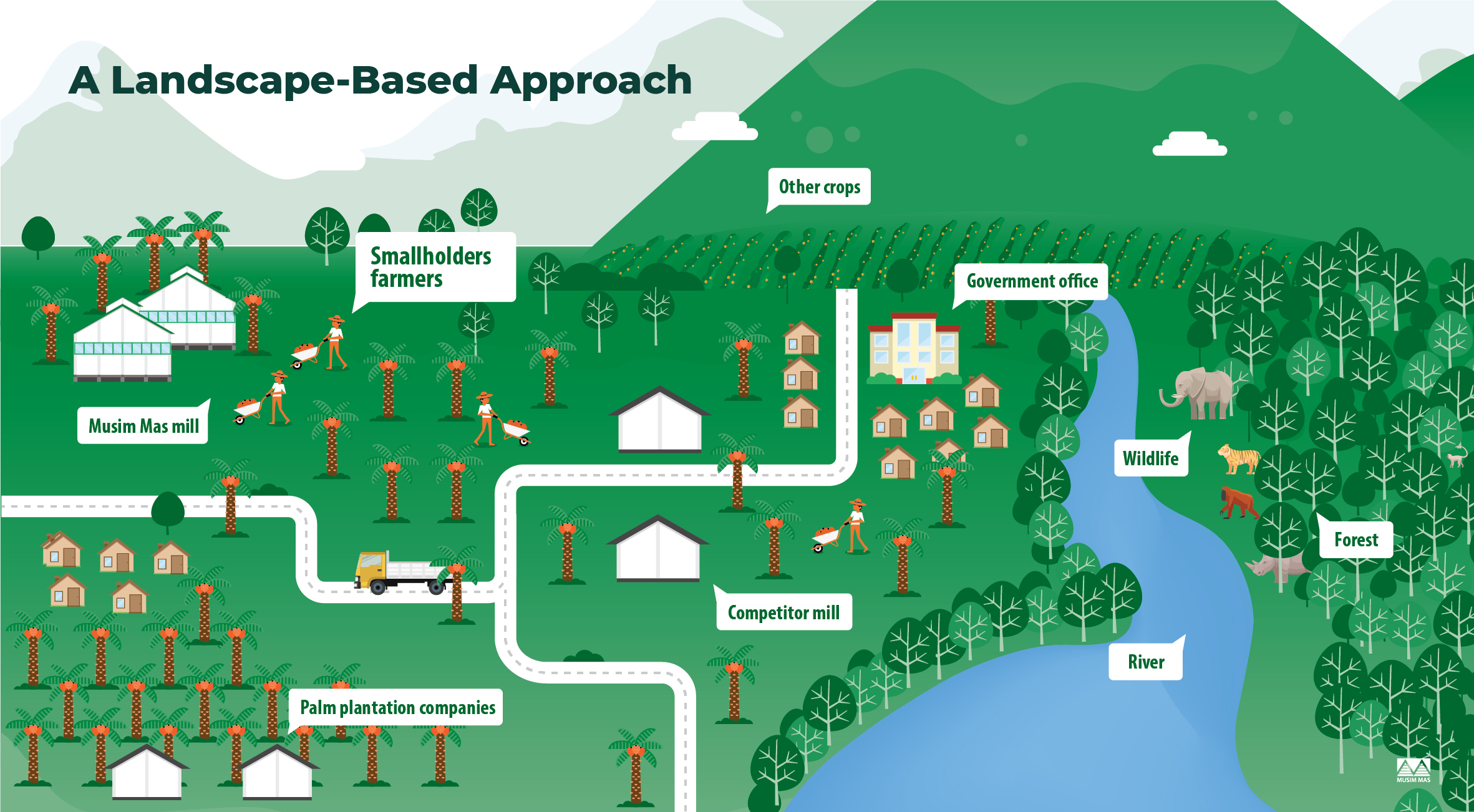
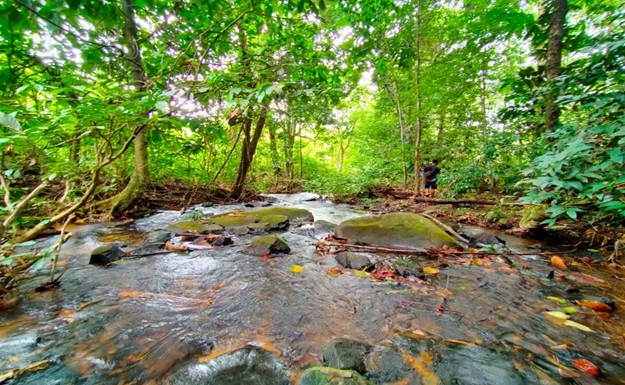
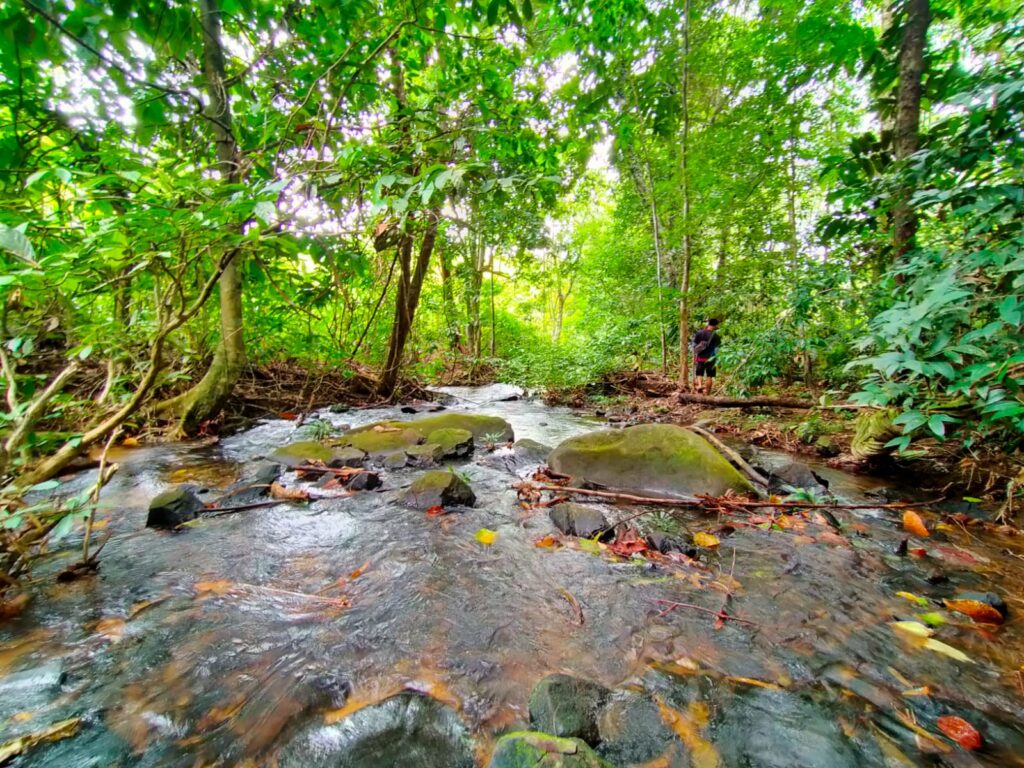
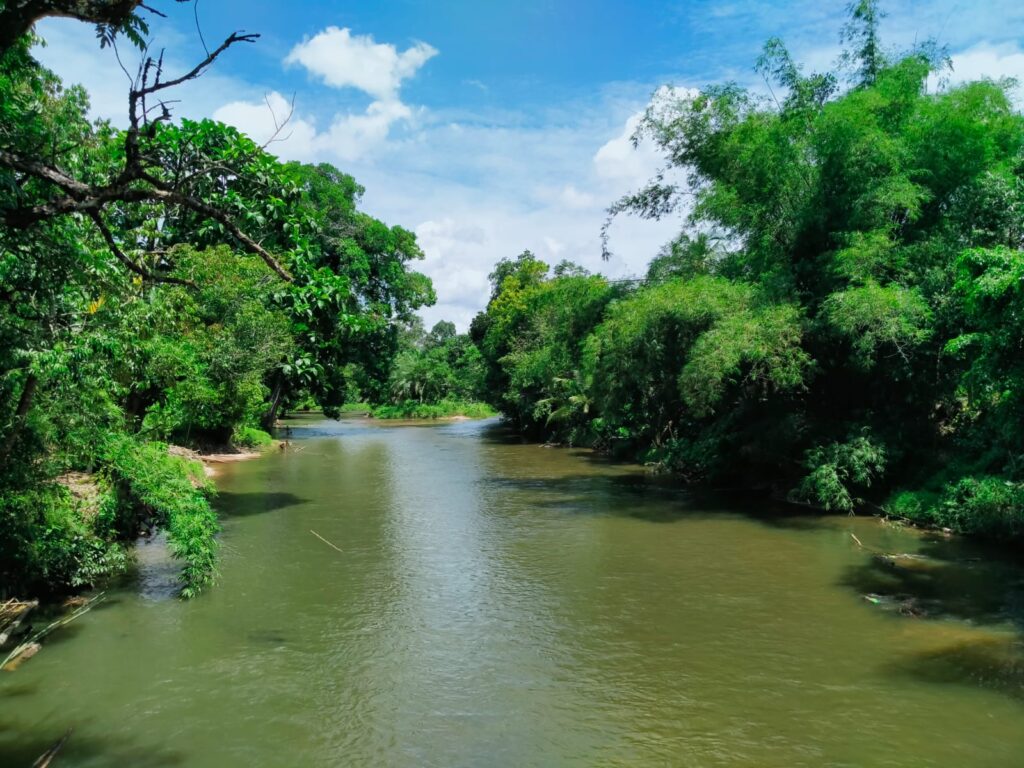
Riparian buffer areas sit at the boundary between land and water. Its unique landscape features support diverse plant species, provide critical habitat for terrestrial and aquatic life, and connect ecological processes between land and water ecosystems.
These ecosystems store and fix carbon, serve as wildlife habitats and ecological corridors, stabilize streambank, provide shade, organic matter and food to the streams and their biota, retain sediment and chemicals (fertilizers and pesticides) applied on the cultivated/agricultural sites on upslope regions of the catchments (Simmons et al., 1992; Bren, 1993; Tabacchi et al., 2000; Sparovek et al., 2002; Neill et al., 2006; De Paula et al., 2011)
Content:
- Which wildlife species are found in riparian areas in our concessions?
- What functions of a riparian area are the most significant?
- What happens when riparian forests are reduced or destroyed?
- Conservation in Practice: Enrichment of Riparian Buffers
- Protecting Riparian Areas in Daily Operations
- Opportunity for Improvement in Conservation Efforts
- What are Musim Mas Monitoring and Protection measures?
Which wildlife species are found in riparian areas in our concessions?
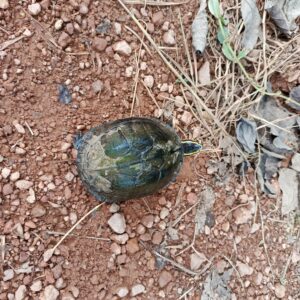
Riparian zones in Indonesia support diverse wildlife, providing water, food, and shelter, and serving as important corridors for species such as mammals, birds, reptiles, and insects to move across fragmented landscapes.
The following animal species have been recorded through biodiversity monitoring conducted within the Musim Mas concession.
| Mammals |
|
|
| Birds |
|
|
| Reptiles |
|
|
| Butterfly and Odonates |
|
|







What functions of a riparian area are the most significant?
Water Quality Improvement
Plants along rivers and streams act as natural filters. They slow surface runoff and trap sediment, excess nutrients such as nitrogen and phosphorus from agricultural activities, and other pollutants before they reach the water. Pollutants accumulated in soil can be transported to rivers through runoff and erosion processes, contributing to water pollution (Stephen R. Carpenter et al., 1998). By reducing the movement of contaminants into waterways, this filtration helps protect aquatic ecosystems and provides cleaner and safer water for communities that depend on these resources for daily activities.
Biodiversity Hotspots
Riparian zones are among the most vital habitats for biodiversity. These areas support a wide variety of plant and animal life and act as natural corridors that facilitate the safe movement of wildlife by reducing habitat fragmentation (Tabacchi et al., 2000; Naiman & Décamps, 1997).
Climate Regulation
Trees and shrubs along riverbanks help control local climate conditions. Tree shades keep water cooler, allowing more oxygen to dissolve and creating healthier conditions for fish and other aquatic life. Cooler water also reduces the risk of harmful algal blooms. Riparian forests also help slow climate change by absorbing and storing carbon in plant biomass and soil (Naiman & Décamps, 1997).
Support for Food Webs
Riparian plants are very important for aquatic food webs. Leaves, twigs, and other plant material fall into the water and become food for insects and small animals. Fish, birds, and mammals then eat these insects. This process helps maintain a balanced, strong, and healthy ecosystem (Gregory et al., 1991).
Ecosystem Resilience
A healthy riparian buffer area helps landscapes withstand and recover from environmental disturbances such as floods, droughts, and land-use changes. Vegetation along riverbanks stabilises soil, reduces erosion, and slows water movement across the landscape, supporting faster recovery after heavy rainfall or flooding (Osborne & Kovacic, 1993).
What happens when riparian forests are reduced or destroyed?
According to the World Wildlife Fund (WWF), the degradation or destruction of riparian forests can result in widespread environmental consequences, including:
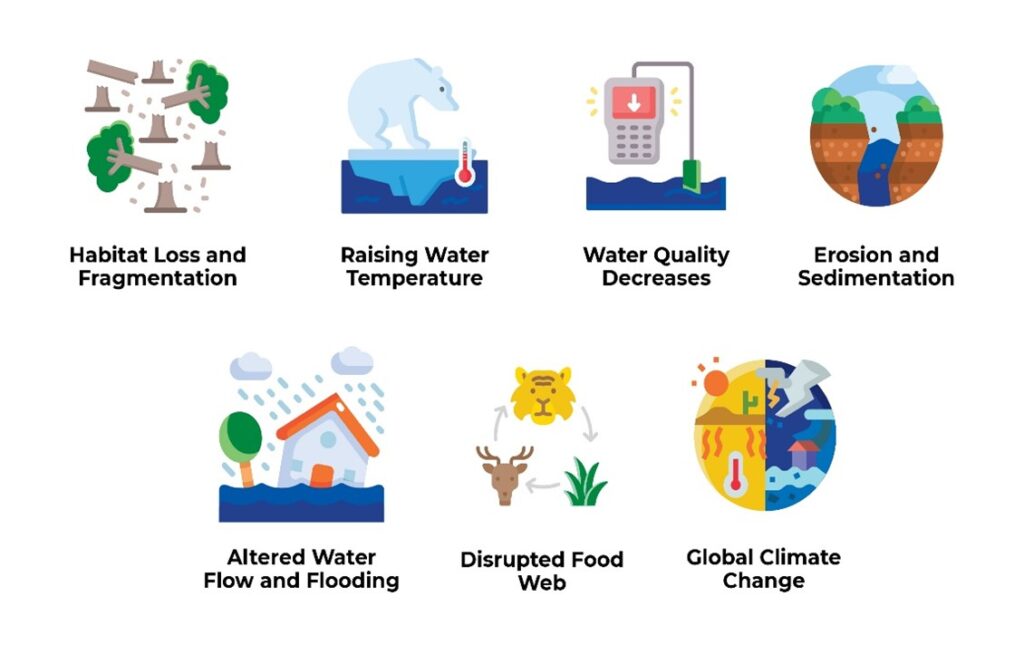
Habitat Loss and Fragmentation
Riparian areas provide homes and travel paths for many animals, including migrating birds. When these areas are damaged or removed, animals lose habitat, and biodiversity decreases.
Raising water temperature
When people remove trees and shade, sunlight heats the water, reducing dissolved oxygen and making it harder for fish and other aquatic animals to survive.
Water quality decreases
Without them, dirt, chemicals, and nutrients enter the water, causing algae to grow and deplete oxygen, which is vital for fish and other animals.
Erosion and Sedimentation
Plant roots stabilize riverbanks, but removing vegetation makes banks more prone to erosion and allows excess sediment to enter the water, harming aquatic life.
Altered Water Flow and Flooding
Healthy riparian areas slow water flow and allow more water to soak into the ground. Without them, water moves faster across the landscape, increasing the risk of flooding.
Disrupted Food Web
Changes in water temperature, oxygen levels, and food can cause sensitive species to disappear. Tougher or non-native species may take over, simplifying and unbalancing the food web.
Global Climate Change
Trees absorb carbon dioxide from the air. When trees are removed, this carbon is released back into the atmosphere, adding to greenhouse gas levels and exacerbating climate change.
From Policy to Practice: Riparian Buffer Management
Riparian buffers are established to safeguard rivers and reduce environmental impacts, with buffer widths determined by site-specific risk factors in accordance with Indonesian Government Regulation (PP) No. 38 Year 2011 on Rivers.
Conservation in Practice: Enrichment of Riparian Buffers
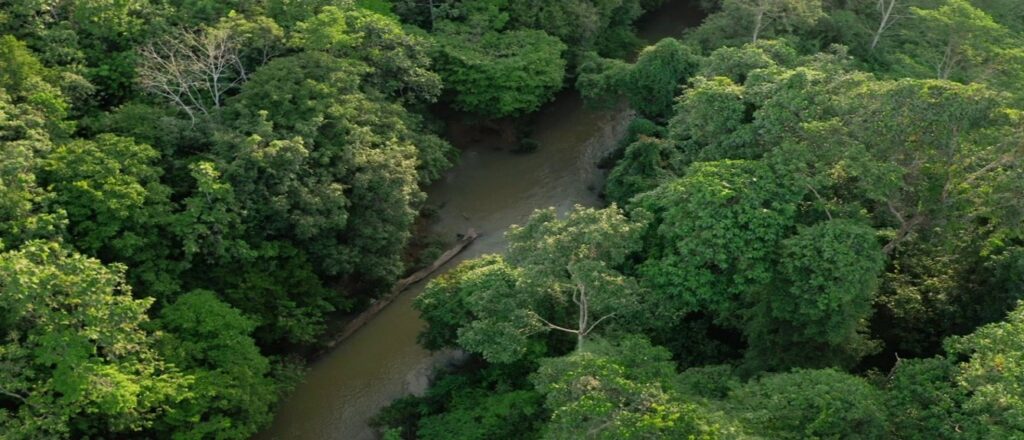
Riparian conservation at Musim Mas is guided not only by regulation, but also by internationally recognised sustainability frameworks – High Conservation Value (HCV) and High Carbon Stock (HCS). Under the HCV framework, riparian zones are identified as areas of significant ecological importance. By formally recognising these buffers as High Conservation Value areas, protective measures are embedded into land-use planning and day-to-day operations to prevent degradation and maintain their ecological integrity.
At the same time, riparian forests contribute to climate resilience under the HCS approach. Native vegetation along riverbanks stores carbon in both biomass and soil, helping to regulate local climate conditions and reduce greenhouse gas emissions. Protecting and restoring these carbon-rich areas strengthens the broader landscape’s ability to absorb and retain carbon while maintaining biodiversity and water quality. The Roundtable on Sustainable Palm Oil (RSPO) also recognizes the importance of riparian zones and has developed guidance documents for best management practices.
By integrating riparian management within both HCV and HCS frameworks, Musim Mas ensures that conservation efforts extend beyond compliance. Riparian buffers are managed as vital components of a connected, resilient landscape — supporting biodiversity, safeguarding rivers, and contributing to long-term climate responsibility.
Since 2009, restoration efforts have been carried out across 14 management units, with approximately 155,000 trees planted to date. With an average survival rate of 62%, these efforts reflect a long-term commitment to restoring riverbank ecosystems and strengthening landscape resilience. Where natural vegetation already exists, enrichment planting introduces additional tree species to strengthen canopy structure, enhance plant diversity, and reinforce the protective function of the riparian zone.
Environmental impacts are monitored through regular wildlife surveys, vegetation assessments, and water sampling to evaluate river health.
Protecting Riparian Areas in Daily Operations
At Musim Mas, protecting riparian areas is integrated into daily operations. Conservation teams regularly patrol river buffer zones to prevent encroachment, maintain boundary markers and signage, and inspect riverbanks after heavy rainfall to monitor erosion or potential damage.
On-site nurseries provide a steady supply of native seedlings, while replanted areas are carefully maintained until the young trees are fully established. The use of chemical fertilizers and pesticides is avoided within riparian zones to prevent contamination of nearby water bodies. Community engagement is also conducted to raise awareness about the value of riparian ecosystems and to encourage local participation in protecting these areas.
Beyond fieldwork, environmental stewardship is embedded into daily operations. Workers and community members receive regular training on the importance of riparian buffers, protection measures, and fire prevention.
Engagement takes place throughout the year through stakeholder forums, worker sessions, and informal interactions during field monitoring. These platforms help incorporate local perspectives, address concerns, and gather feedback on conservation efforts. Updates on riparian protection initiatives are also shared, encouraging collaboration to safeguard river ecosystems and surrounding landscapes.
Together, these actions demonstrate that healthy riparian buffer zones are not just protected areas on a map — they are living ecosystems that support biodiversity, stabilise riverbanks, and safeguard water quality for the long term.
Opportunity for Improvement in Conservation Efforts
While significant progress has been made in protecting and restoring riparian areas, managing these ecosystems remains challenging. Musim Mas therefore adapts its conservation strategies to achieve effective, sustainable restoration outcomes.
One common issue is the rapid spread of cover crops. Although they provide benefits such as soil protection, they can overtake newly planted native trees if left unmanaged, limiting seedling growth and survival. Regular monitoring and maintenance are essential to ensure native species can establish successfully.
The restoration strategy combines active and passive approaches, including replacing oil palms with native jungle saplings while leaving some palm rows unmanaged. This supports natural undergrowth and the gradual recovery of forest vegetation.
In certain areas, rows of oil are used as an alternative to the usual practice of replacement with native species. Where site conditions are suitable, this passive restoration approach involves halting all agricultural activities to allow for natural regeneration. By minimising soil disturbance, it supports the gradual recovery of biodiversity and complements the overall restoration strategy.
Working with Communities to Protect Riparian Areas
Protecting riparian buffer zones requires strong on-the-ground management, with estate teams working closely alongside nearby communities. Musim Mas adopts a community-based approach, recognising that long-term conservation depends on both effective estate management and sustainable local livelihoods.
Estate teams oversee the implementation and upkeep of riparian buffers, including demarcation, monitoring, and enforcement, while engaging surrounding communities to raise awareness and minimise encroachment into sensitive areas.
In parallel, Musim Mas trains independent smallholders in Good Agricultural Practices (GAP), enabling farmers to improve productivity on existing land and reduce the need to expand into riparian zones and forests. Economic diversification initiatives, such as the Rokan Hulu Landscape and Livelihoods Initiative, further provide alternative income opportunities—particularly for women and smallholders—helping to reduce reliance on protected areas.
Physical measures, including signage and boundary markers, are installed along riparian reserves—especially near roads to clearly indicate conservation areas. These efforts are reinforced through routine patrols and inspections to deter encroachment.
Regenerative Agriculture in Musim Mas
A key challenge in riparian conservation is balancing ecosystem protection with the livelihoods of communities that depend on nearby natural resources. Supporting both environmental sustainability and community well-being remains a central focus of Musim Mas’ landscape management efforts.
Musim Mas also promotes regenerative agriculture within its operational landscapes. By encouraging practices that improve soil health, enhance biodiversity, and reduce chemical inputs, these approaches help sustain surrounding ecosystems. Methods such as maintaining vegetation cover and improving soil management can also increase productivity on existing agricultural land, reducing pressure on natural areas.
What are Musim Mas Monitoring and Protection measures?
Satellite and Radar Monitoring
Musim Mas uses satellite-based platforms such as Earthqualizer and Radar for Detecting Deforestation (RADD) to monitor land-use changes across its operational landscapes. These systems provide bi-weekly alerts on potential disturbances, enabling the early detection of activities such as land clearing or encroachment near riparian reserves. Once an alert is triggered, on-site teams conduct ground verification to assess the situation and take appropriate action.
Ground Patrols and Field Monitoring
In addition to remote monitoring, trained field staff regularly patrol conservation areas to ensure their protection. Teams conduct daily patrols to monitor for signs of illegal development, land degradation, or unauthorized activities. Monthly biodiversity censuses are also conducted to document wildlife presence and monitor ecosystem health. These on-the-ground efforts complement satellite monitoring and help ensure that riparian buffer zones remain protected.

Musim Mas is committed to protecting riparian ecosystems as part of responsible plantation management. In Indonesia, riparian buffers are regulated under Government Regulation (PP) No. 38 of 2011 on Rivers, which sets requirements for protecting river corridors and maintaining ecological functions along rivers. These regulations provide an important foundation for safeguarding rivers, biodiversity, and surrounding landscapes.
Building on this framework, Musim Mas has integrated riparian protection into its standard operating procedures (SOPs). These procedures guide the identification, protection, and restoration of riparian buffer zones across plantations. Measures include maintaining buffer zones along the river, supporting natural and assisted vegetation regeneration, avoiding the use of chemical inputs within these areas, and conducting regular monitoring of vegetation, wildlife, and river health.
These efforts help strengthen ecosystem resilience. Healthy riparian forests stabilise riverbanks, reduce erosion, regulate water flow, and maintain cooler water temperatures that support aquatic life. They also provide habitats and natural corridors that allow wildlife to move across fragmented landscapes.
Musim Mas supports biodiversity conservation, protects water quality, and thereby contributes to healthier rivers and more resilient landscapes in the long term. Through these efforts, riparian buffers are managed not only as protected areas but as living ecosystems. By embedding riparian management into daily plantation operations, Musim Mas aims to contribute to healthier rivers, more resilient landscapes, and sustainable long-term palm oil production.
References:
- Bren, L. J. (1993). Riparian zone, stream, and floodplain issues: A review. Journal of Hydrology, 150(2–4), 277–299. https://doi.org/10.1016/0022-1694(93)90113-P
- Carpenter, S. R., Caraco, N. F., Correll, D. L., Howarth, R. W., Sharpley, A. N., & Smith, V. H. (1998). Nonpoint pollution of surface waters with phosphorus and nitrogen. Ecological Applications, 8(3), 559–568.
- De Paula, F. R., Gerhard, P., Ferraz, S. F. B., & Vettorazzi, C. A. (2011). Riparian forest buffer width and its effects on sediment retention. Ecological Engineering, 37(9), 1300–1307. https://doi.org/10.1016/j.ecoleng.2011.02.006
- Gregory, S. V., Swanson, F. J., McKee, W. A., & Cummins, K. W. (1991). An ecosystem perspective of riparian zones. BioScience, 41(8), 540–551. https://doi.org/10.2307/1311607
- Naiman, R. J., & Décamps, H. (1997). The ecology of interfaces: Riparian zones. Annual Review of Ecology and Systematics, 28, 621–658. https://doi.org/10.1146/annurev.ecolsys.28.1.621
- Neill, C., Deegan, L. A., Thomas, S. M., & Haupert, C. L. (2006). Retention of nitrogen and phosphorus in a riparian forest of the Amazon Basin. Biogeochemistry, 77(3), 329–345. https://doi.org/10.1007/s10533-005-1069-9
- Osborne, L. L., & Kovacic, D. A. (1993). Riparian vegetated buffer strips in water‐quality restoration and stream management. Freshwater Biology, 29(2), 243–258. https://doi.org/10.1111/j.1365-2427.1993.tb00761.x
- Roundtable on Sustainable Palm Oil. (2019). Simplified guide on the management and rehabilitation of riparian reserves. RSPO.
- Simmons, R. C., Gold, A. J., & Groffman, P. M. (1992). Nitrate dynamics in riparian forests: Groundwater studies. Journal of Environmental Quality, 21(4), 659–665. https://doi.org/10.2134/jeq1992.00472425002100040023x
- Sparovek, G., Ranieri, S. B. L., Gassner, A., De Maria, I. C., Schnug, E., dos Santos, R. F., & Joubert, A. (2002). A conceptual framework for the definition of the riparian zone. Agriculture, Ecosystems & Environment, 94(2), 135–152. https://doi.org/10.1016/S0167-8809(01)00358-0
- Sweeney, B. W., & Newbold, J. D. (2014). Streamside forest buffer width needed to protect stream water quality, habitat, and organisms: A literature review. Journal of the American Water Resources Association, 50(3), 560–584. https://doi.org/10.1111/jawr.12203
- Tabacchi, E., Lambs, L., Guilloy, H., Planty-Tabacchi, A. M., Muller, E., & Décamps, H. (2000). Impacts of riparian vegetation on hydrological processes. Hydrological Processes, 14(16–17), 2959–2976. https://doi.org/10.1002/1099-1085(200011/12)14:16/17
- World Wildlife Fund. (n.d.). Deforestation and forest degradation. World Wildlife Fund. https://www.worldwildlife.org/our-work/forests/deforestation-and-forest-degradation