By: Devane Sharma
Index
- What Are Bio-Based Plasticizers?
- How Bio-Based Plasticizers Are Evolving
- A New Generation: Acetylated Bio-Based Plasticizers
- Trends in Plasticizers
- Acetylated Bio-Based Plasticizer Applications
- The Bigger Picture
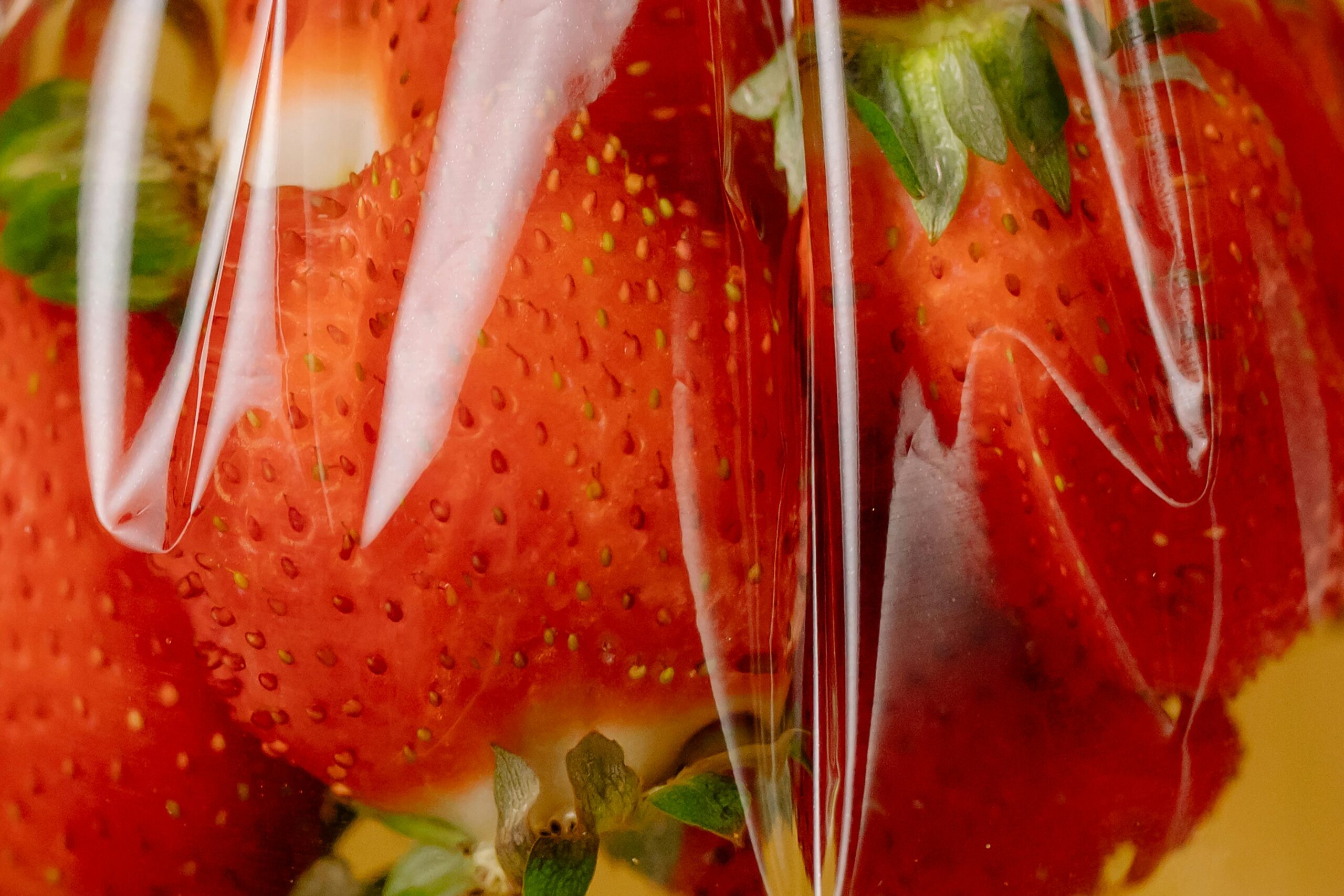
Photo by cottonbro studio
Plasticizers quietly shape our everyday lives. They make the plastic wrap around our food flexible, keep medical tubing soft and safe, and give synthetic leather its comfortable, leather-like feel. For decades, most plasticizers were made from fossil-based chemicals — functional, yes, but often scrutinized for safety and sustainability.
As industries move toward safer, more responsible materials, food-grade bio-based plasticizers have emerged as one of the most important innovations in the plastics world. They’re not just an eco-friendly alternative; they’re a way to future-proof products, meet tightening regulations, and respond to rising consumer expectations. So what exactly are bio-based plasticizers, and how are they evolving?
What Are Bio-Based Plasticizers?
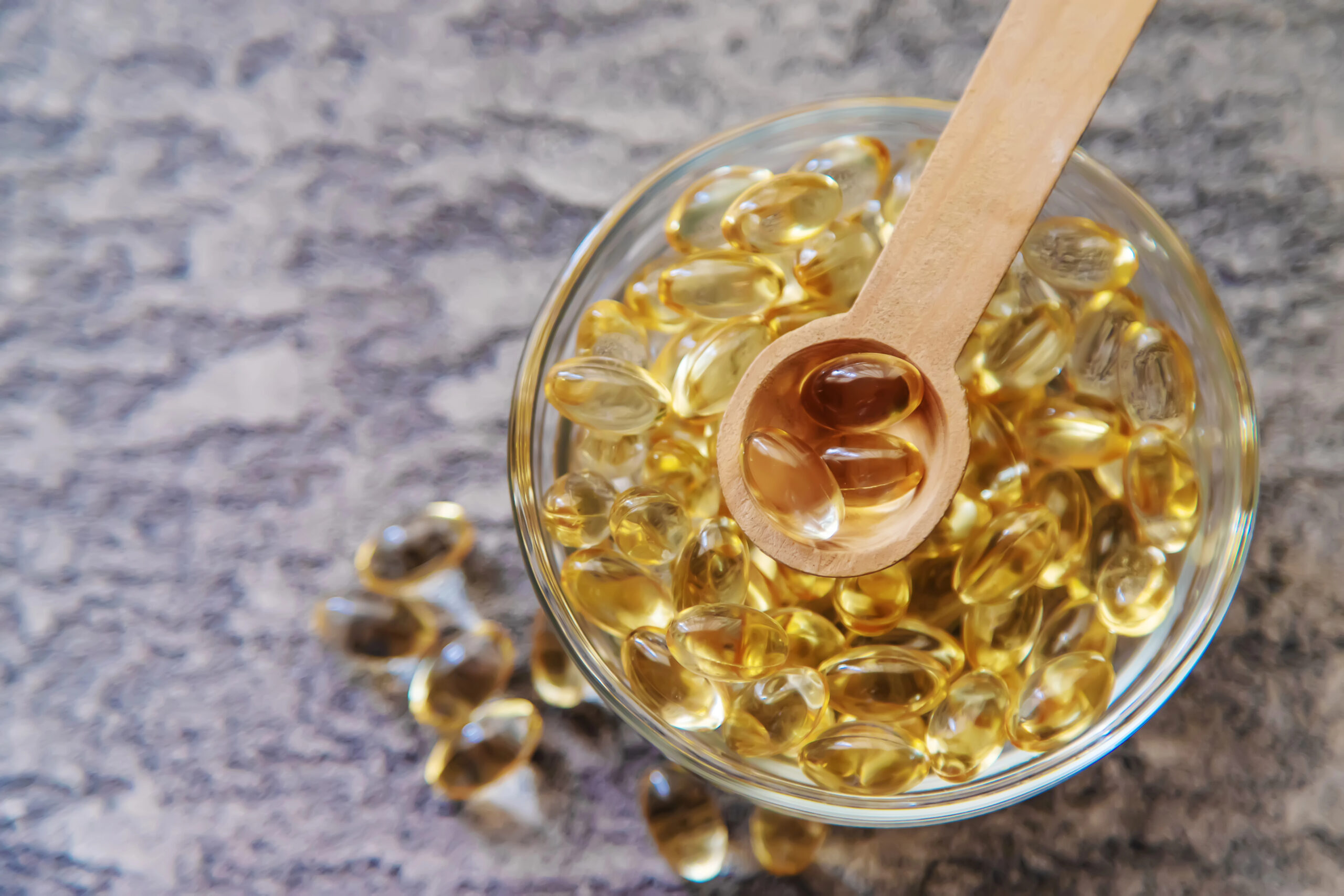
Bio-based plasticizers are typically made from renewable vegetable oils instead of petroleum. Common sources include Karanja oil, Rubber seed oil, Palm oil, Soybean oil
These oils can be chemically modified — for example, epoxidized to improve stability — creating plasticizers that work in PVC and other polymers.
Epoxidized oils (like EKO, EeRSO, EPO, EPSO) are widely used because they’re renewable, relatively affordable, and offer decent plasticizing performance with some heat-stabilizing properties. They are often found in flexible PVC products, coating materials, or blended with other plasticizers to balance performance and cost.
But as demand grows for higher performance, lower migration, and better clarity — especially in food-contact packaging and medical applications — the next generation of bio-based plasticizers is emerging.
How Bio-Based Plasticizers Are Evolving
Today’s manufacturers want bio-based materials that are not only sustainable but also high-performing. This has pushed the industry beyond epoxidized oils toward more advanced chemistries, like acetylated bio-based esters.
These newer solutions are engineered to perform on par with traditional phthalates, but without the safety and compliance concerns. This is where products like MASESTER® AMG 9003 represent a step forward.
A New Generation: Acetylated Bio-Based Plasticizers
Beyond epoxidized oils, another class of bio-based plasticizers is gaining traction: acetylated monoglycerides. These are made by taking vegetable-oil–derived molecules and modifying them through a process called acetylation, which helps them blend more easily and more uniformly with plastics like PVC.
This extra step gives acetylated monoglycerides a smoother molecular structure and more predictable behaviour inside the polymer. In practical terms, this means they can deliver higher softness, better transparency, and lower migration compared to many unmodified or epoxidized vegetable oils.
While epoxidized oils do many things well, acetylated esters stand out in several ways:
1. Higher plasticizing efficiency
They can match — or even exceed — the softness and flexibility achieved by conventional phthalates such as DOP.
2. Superior clarity and transparency
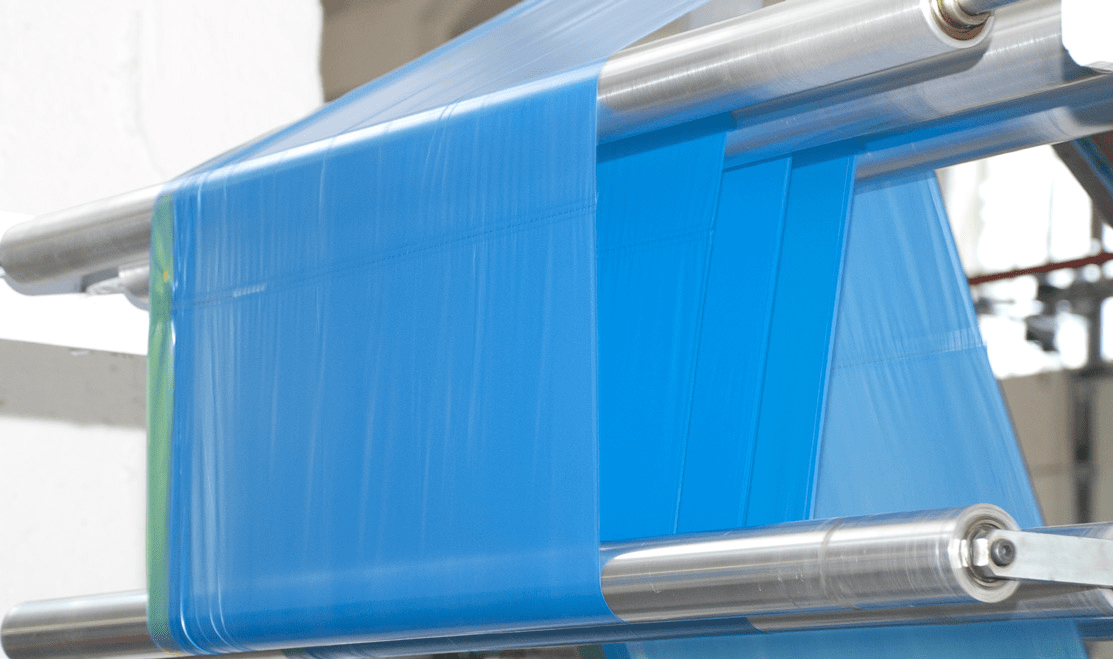
Ideal for applications like food wrap and flexible films where optical clarity matters.
3. Significantly lower migration
They are less prone to leaching into food, oils, or solvents — an increasingly important requirement for global regulations. It is an important
4. Better low-temperature flexibility
Some grades keep PVC films soft down to −20°C, useful for cold-chain packaging and outdoor applications.
5. Strong compliance and safety profile
They are phthalate-free, BPA-free, and not classified as hazardous under GHS, aligning with REACH, RoHS, Prop 65, and other global requirements. This gives manufacturers confidence that the material is safe, compliant, and suitable for sensitive applications like food packaging, toys, and household products.
6. Expanding into bioplastics
Unlike most traditional plasticizers, some acetylated esters show partial compatibility with PLA, a leading bioplastic. This makes them valuable as formulators look for ways to improve PLA’s flexibility and toughness—areas where PLA is naturally brittle. While still an emerging space, this compatibility allows acetylated esters to serve as bridge ingredients that enhance performance without compromising the material’s bio-based profile, opening new possibilities for more sustainable and functional bioplastic applications.
Trends in Plasticizers

Photo by Gustavo Fring
Several forces are reshaping the plastics landscape:
- Regulators are tightening restrictions on traditional phthalates.
- Brands are prioritizing safer, certified, non-toxic materials.
- Consumers increasingly expect sustainability and transparency.
- Manufacturers are looking for drop-in replacements that don’t force major process changes.
Bio-based plasticizers used to come with trade-offs — lower clarity, higher migration, limited drop-in compatibility. But the new generation is closing those gaps.
However Acetylated bio-esters, such as Musim Mas’ MASESTER® AMG 9003, are free of phthalate, non-toxic and have excellent compatibility to minimize process changes. AMG 9003 even offers 1:1 replacement for DOP in many PVC formulations, and excellent softness and cold-flex performance. It is also compatible with PVC, EVA, PU, and even PLA. It shows that switching to renewable materials doesn’t have to mean compromising on performance.
MASESTER® AMG 9003 is also compliant with leading requirements for non-phthalate PVC such as EU Reach, Prop 65 (California), RoHS (for electronics), and meets the criteria of being of renewable feedstock.
Acetylated Bio-Based Plasticizer Applications
With their strong performance, safety profile, and renewable origins, acetylated bio-based plasticizers are finding use across a wide range of industries. They offer a practical way for manufacturers to transition toward safer, more sustainable materials without compromising flexibility, clarity, or processing efficiency. As demand grows for non-phthalate and bio-based solutions, these plasticizers are becoming especially attractive in applications such as:
- Food wrap and soft packaging films
- Synthetic leather and
- Household goods
- Gloves, toys, and non-phthalate applications
- Medical-grade films (grade-dependent)
- Early-stage bioplastic and PLA-blend formulations
MASESTER® AMG 9003 is a food-grade bio-based bio-plasticizer. It is fully compatible with PVC, PU and EVA and partially compatible with selected bioplastics.
The Bigger Picture
The shift toward safer and more sustainable materials is accelerating across global supply chains, and plasticizers are no exception. Bio-based options—once seen as niche—are now becoming essential as brands respond to regulatory pressure, consumer expectations, and their own sustainability commitments.
Innovations like acetylated bio-based esters demonstrate how far the industry has come. They deliver the flexibility and performance manufacturers expect while reducing reliance on fossil-based chemicals and simplifying compliance with modern safety standards.
As companies look for practical pathways toward greener product portfolios, next-generation bio-based plasticizers offer a rare combination of performance, safety, and sustainability. They provide a way to meet today’s requirements while preparing for tomorrow’s materials landscape—helping manufacturers stay ahead in a market that increasingly values responsible, future-ready solutions.
To find out how these materials can support your transition to safer, more responsible products, get in touch with our technical or commercial teams for more information.